Postpartum Stretch Marks: A Natural Treatment Plan for African Skin
Stretch marks are normal, but if you want to fade them, here's the honest, natural plan that actually works for African skin — from a Mombasa spa.
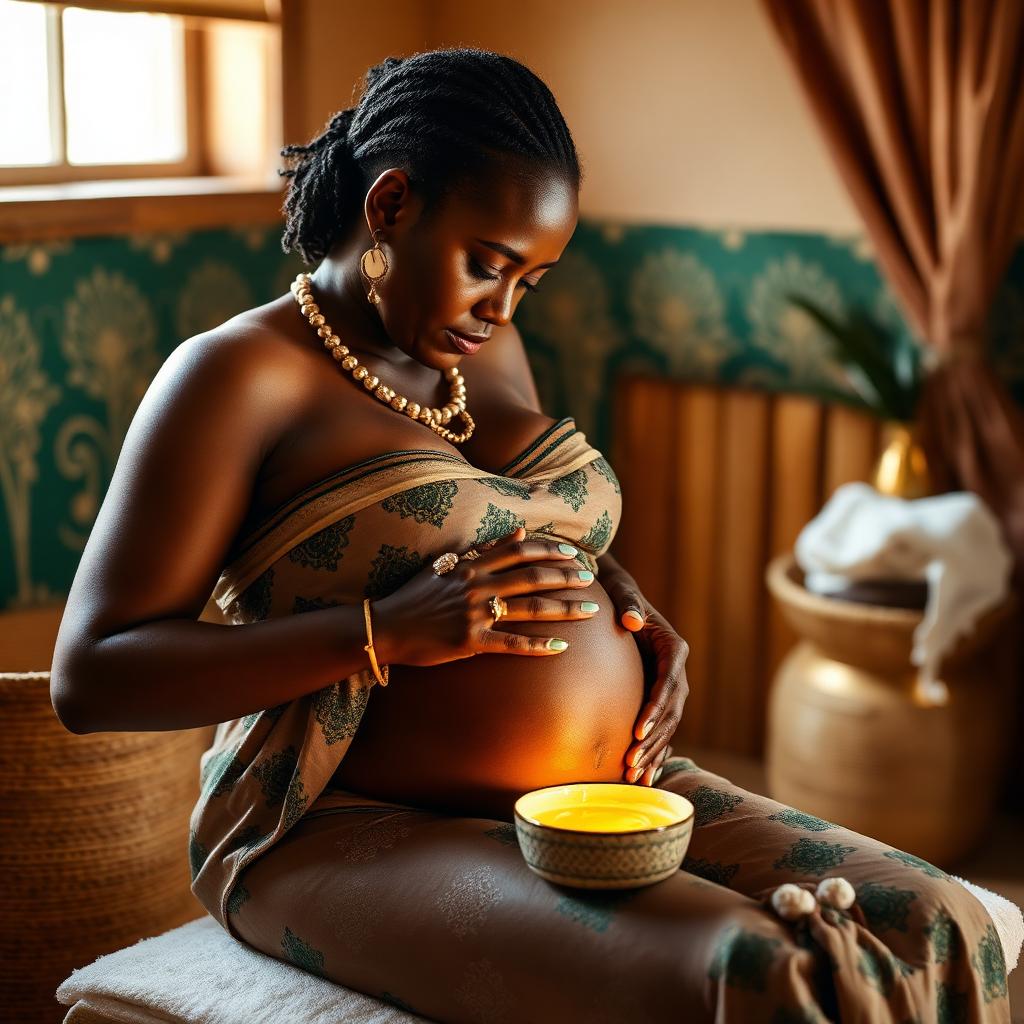
The journey of motherhood is transformative, bringing immense joy alongside a few unexpected changes to your body. Among these, postpartum stretch marks are a common experience for many women, particularly on African skin. While often viewed with trepidation, these natural tiger stripes are a testament to the incredible work your body has done. At Royal Swahili Singo N Massage (RSSM), we understand the desire to nurture your skin back to its radiant best. This comprehensive guide offers a natural, honest, and effective treatment plan for fading stretch marks, empowering you with knowledge and tailored solutions right here in Mombasa. RSSM NI NYUMBANI – your home for healing and self-care.
First, the Truth About Stretch Marks
Let's be clear from the outset: stretch marks (scientifically known as striae) are a form of scarring. They occur when the dermis, the middle layer of your skin, stretches rapidly beyond its elasticity, causing the collagen and elastin fibers to rupture. When these deeper tears in the skin heal, the surface pattern often remains. Anything promising to completely "erase" them is fundamentally misleading. What we can genuinely achieve through consistent, natural care is to significantly fade them—transforming angry red or purple lines into soft, silvery streaks that blend much more harmoniously with your natural skin tone. Beyond color, our treatments also aim to improve the skin's texture, making the area feel smoother and more supple.
Why African Skin Responds Exceptionally Well
One of the beautiful characteristics of African skin is its rich melanin content. While this means fresh stretch marks might initially appear darker and more prominent against the surrounding skin, our skin's robust collagen structure also possesses an incredible capacity for regeneration and healing. With the right combination of nourishing ingredients, gentle stimulation, and consistent care, African skin often responds beautifully to natural treatments, rebuilding its strength and improving its appearance. The natural resilience and melanin protection inherent in African skin are assets in the journey to fade stretch marks, allowing for effective and visible improvements.
The Importance of Stretch Mark Treatment in Coastal Kenya
Mombasa's warm, often humid climate can sometimes exacerbate skin concerns, making effective skincare even more crucial. For new mothers, the combination of hormonal changes, rapid skin stretching, and environmental factors can leave skin feeling vulnerable. Addressing postpartum stretch marks isn't just about aesthetics; it's about self-care, confidence, and reclaiming a sense of comfort in your own skin. Understanding how natural ingredients thrive in our local environment and how traditional practices, like those we offer at RSSM in Tudor and Majengo, can support healing is key. Our approaches are designed to be beneficial in the coastal climate, promoting hydration and skin health without relying on harsh chemicals that might react poorly to heat and sweat.
The 12-Week Home Plan: A Consistent Approach
Consistency is paramount when it comes to fading stretch marks. This 12-week home plan is designed to be gentle, effective, and easily integrated into your daily routine.
Weeks 1–4: Deep Hydration and Circulation Boost
Begin by focusing on intense hydration and improving blood flow to the affected areas.
- Routine: Twice daily, gently massage the stretch-marked areas.
- Ingredients: Use a rich blend of pure shea butter and marula oil. Shea butter is renowned for its deep moisturizing properties and vitamin A content, while marula oil is packed with antioxidants and fatty acids that promote skin elasticity.
- Technique: Use circular motions, applying gentle pressure. This mechanical action helps stimulate circulation and encourages cellular turnover, laying the groundwork for healing.
Weeks 5–8: Introducing Gentle Exfoliation
After a month of deep hydration, it's time to gently encourage the shedding of old skin cells and further stimulate renewal.
- Routine: Twice a week, incorporate a gentle exfoliation step.
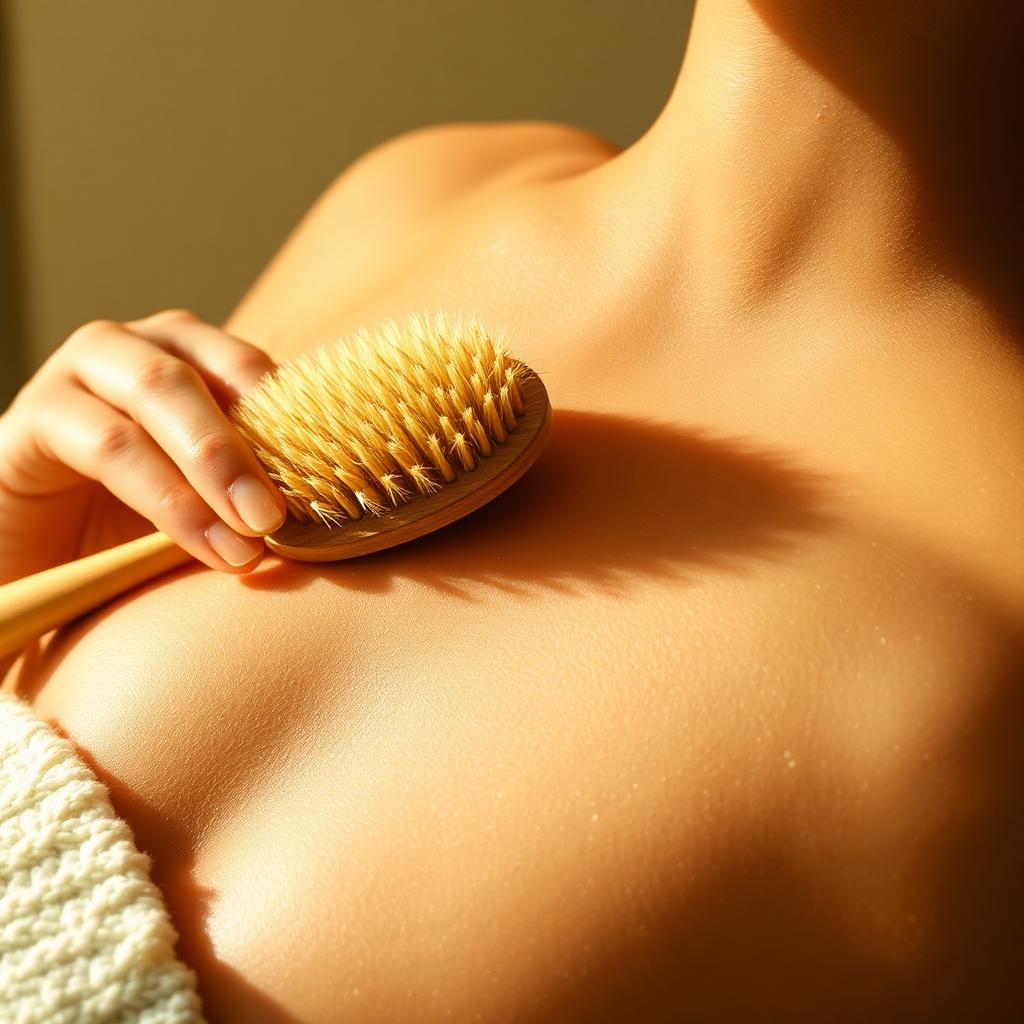
- Ingredients: A natural coffee scrub is ideal. Coffee grounds are a natural exfoliant, and the caffeine can temporarily improve circulation and skin tone.
- Technique: Apply the scrub to damp skin, massaging in soft, circular motions for a few minutes, then rinse thoroughly. Be gentle; the goal is to slough off dead skin, not irritate new skin. Continue with your daily shea butter and marula oil massage on non-exfoliation days.
Weeks 9–12: Targeted Repair and Tone Improvement
In the final phase of your home plan, introduce a potent oil known for its regenerative properties.
- Routine: At night, after your regular massage, apply a thin layer of rosehip oil.
- Ingredients: Rosehip oil is rich in essential fatty acids, vitamin A, and vitamin C, making it excellent for promoting collagen production, improving skin tone, and reducing the appearance of scars.
- Technique: Apply a few drops to the stretch-marked areas and gently pat it in until absorbed. Continue your daily shea butter and marula oil massage in the mornings or during the day.
The Salon Boost: Professional Care at RSSM Mombasa
While home care is crucial, professional treatments can significantly accelerate and enhance your results. At Royal Swahili Singo N Massage, we combine traditional wisdom with expert techniques to provide a powerful complement to your home routine. Our specialized Postnatal Recovery Package is designed to give your skin that extra push towards healing and rejuvenation.
Our Monthly Treatment Plan Includes:
- Swahili Belly Binding: Beyond its traditional role in supporting postpartum recovery, our Swahili belly binding can also aid in skin retraction. The gentle compression helps to encourage the skin to tighten and provides a supportive environment for cellular repair in the abdominal area.
- Coffee-Shea Body Scrub: This invigorating scrub, similar to your home exfoliation, is performed by our skilled therapists. The professional application ensures even exfoliation, and the rich shea content immediately replenishes moisture, leaving your skin soft and prepped for further treatment.
- Marula-Rich Body Massage: This focused massage targets the stretch-marked areas with generous amounts of marula oil. Our therapists use specific techniques to improve lymphatic drainage, boost circulation, and deeply infuse the skin with the oil's nourishing benefits, promoting collagen synthesis and skin elasticity.
The synergy of these treatments—combining physical support, deep exfoliation, and intensive nourishment—creates an optimal environment for fading stretch marks and restoring skin vitality.
What Actually Helps (Evidence-Based Approaches)
Our approach is rooted in practices with proven benefits for skin health and scar reduction:
- Massage: The mechanical action of massage isn't just relaxing; it's therapeutic. It improves blood flow to the skin, delivers essential nutrients, and stimulates collagen production and fibroblast activity, which are crucial for skin repair.
- Hydration: Well-hydrated skin is pliable, resilient, and heals more effectively. Keeping the skin moisturized with emollients helps maintain its barrier function and supports the fading process.
- Natural Oils and Butters (Shea, Cocoa, Marula, Rosehip): These natural powerhouses are rich in vitamins, antioxidants, and essential fatty acids. They nourish the skin, improve elasticity, protect against environmental damage, and support the skin's natural healing mechanisms. These "classics" work because they provide the building blocks and protection skin needs to repair itself.
- Time: Perhaps the most overlooked factor, time is a crucial healer. Most stretch marks will naturally fade dramatically within 12–18 months post-delivery, evolving from their initial red/purple hue to a silvery white. Our treatments aim to accelerate this natural process and improve the final appearance.
What Doesn't Help (And What to Avoid)
In your eagerness to fade stretch marks, it's easy to fall for quick fixes or unproven methods. Here’s what to avoid:
- Bleaching Creams: These are dangerous, especially on healing or delicate skin. They can cause irritation, hyperpigmentation (darkening of the skin), or hypopigmentation (lightening) that is uneven and permanent.
- DIY Microneedling at Home: Microneedling should only be performed by trained professionals in a sterile environment. Improper technique can lead to infection, scarring, skin damage, and even worsen the appearance of stretch marks.
- Overnight "Miracle" Creams: Be wary of products promising instant or overnight results. Skin healing is a biological process that takes time and consistency. While some creams can hydrate, no single product can magically erase stretch marks.
Frequently Asked Questions About Postpartum Stretch Mark Treatment
Can I start treatment while pregnant?
Yes, gentle massage with natural emollients like shea butter is safe and highly recommended during pregnancy to help improve skin elasticity and potentially reduce the severity of stretch marks. However, it's best to skip essential oils, especially during the first trimester, unless cleared by your healthcare provider.
When should I start post-birth?
For vaginal births, you can typically start your home care routine soon after you feel comfortable, usually within a few weeks. For C-section deliveries, it's crucial to wait until your incision is fully healed and closed, which is usually after your 6-week postnatal check-up. Always consult your doctor before starting any new treatment post-delivery.
Do the marks come back with the next pregnancy?
Existing stretch marks, even faded ones, may darken again during subsequent pregnancies due to hormonal changes and renewed skin stretching. New stretch marks can also form in different areas or alongside existing ones. Continuing a preventative skincare routine during future pregnancies can be beneficial.
How long does it take to see results?
With consistent application of the home plan and monthly salon boosts, most women start noticing an improvement in color and texture within 6-8 weeks. Significant fading and textural improvement typically become evident after the full 12-week program and continue to improve over several months. Remember, consistency beats intensity.
Are these treatments suitable for all skin tones?
Yes, the natural oils, butters, and massage techniques we recommend are beneficial for all skin tones. In fact, as mentioned, African skin often responds particularly well to these nourishing and regenerating treatments due to its inherent collagen structure.
Your Journey to Radiant Skin Starts Here
At Royal Swahili Singo N Massage, we believe in nurturing your body through every stage of motherhood. Our natural approach to managing postpartum stretch marks on African skin is designed with your well-being in mind, offering both effective home care strategies and luxurious, results-driven salon treatments. Embrace this journey of healing and self-love.
Ready to give your skin the care it deserves? Book a postnatal recovery package at Royal Swahili Singo N Massage. Visit us at our Tudor or Majengo branches in Mombasa, or simply WhatsApp our friendly team to discuss your personalized treatment plan. RSSM NI NYUMBANI – your sanctuary for natural beauty and relaxation.