Dry Brushing for Glowing Skin: A Simple 5-Minute Ritual
The oldest, cheapest exfoliation trick still worth doing — how dry brushing works, why coastal skin loves it, and how to do it without irritation.
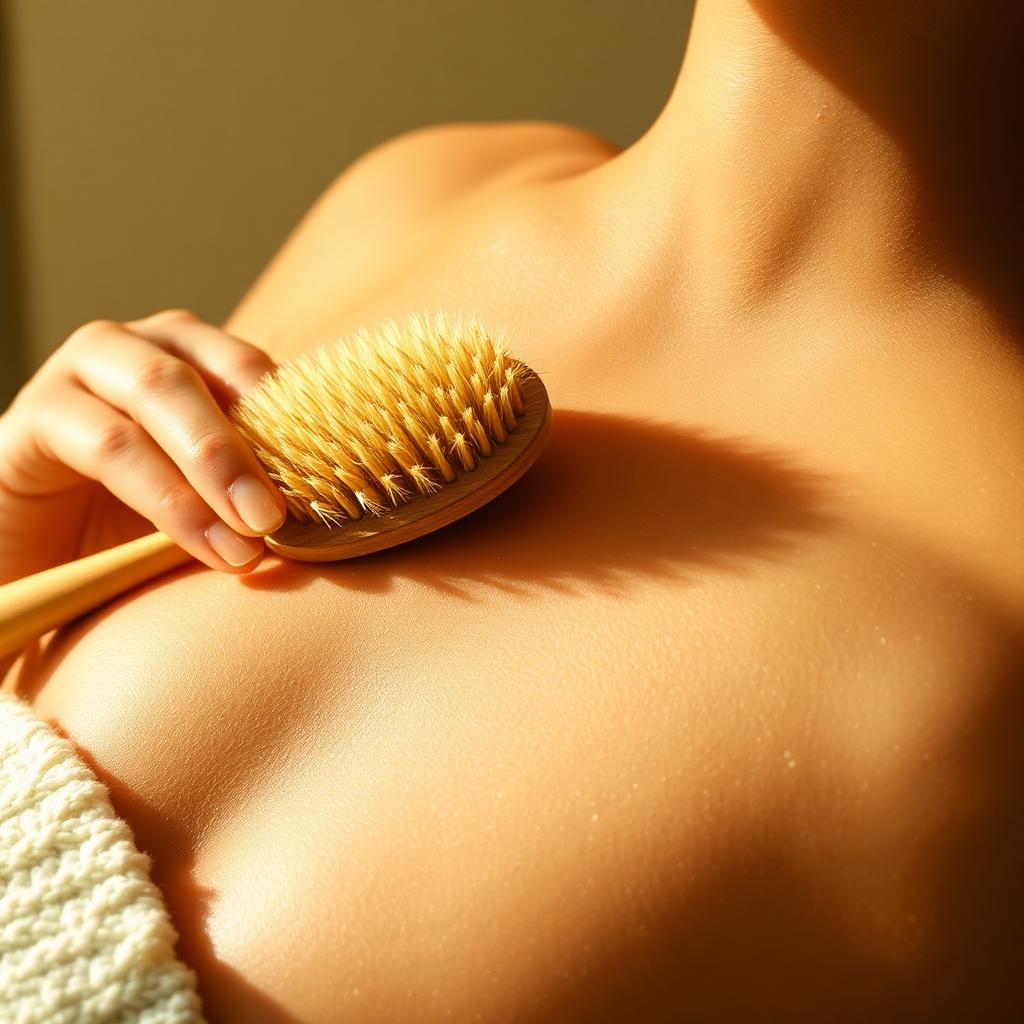
Dry brushing is one of those old-school rituals that keeps outliving every new skincare gadget — and there's a reason. Five minutes before your shower, a dry natural-bristle brush lifts dead skin, wakes up circulation and leaves skin ready to actually absorb oils and serums. This simple yet powerful practice is a cornerstone of holistic skincare, offering remarkable dry brushing benefits that contribute to a radiant complexion.
At Royal Swahili Singo N Massage, we recommend it to clients between spa visits — especially before a Swahili Singo ritual or a wax. It's an accessible way to maintain that spa glow right in your own home, preparing your skin for deeper treatments and ensuring optimal product absorption, which is particularly beneficial in the humid Mombasa climate.
Understanding Dry Brushing: What It Is and How It Works
Dry brushing means sweeping a firm, natural-bristle brush across dry skin (never wet) before you bathe. Long strokes always move toward the heart — from ankles up, from wrists in — to support circulation and lymphatic flow. This technique stimulates the body's natural detoxification processes, helping to eliminate waste products and encourage healthy blood flow.
It takes 3–5 minutes and costs almost nothing. What it doesn't do is replace exfoliation for deep congestion or ingrown hairs — that still needs a proper body scrub. Think of dry brushing as a daily maintenance ritual, while a body scrub offers a more intensive, targeted exfoliation.
The Science Behind the Glow: Dry Brushing Benefits
The magic of dry brushing lies in its multi-faceted approach to skin health. By gently exfoliating the outermost layer of dead skin cells, it reveals brighter, smoother skin underneath. More than just surface-level exfoliation, it also:
- Boosts Lymphatic Drainage: The lymphatic system is crucial for removing waste and toxins from the body. Dry brushing stimulates lymph flow, helping to reduce puffiness and support overall immunity.
- Enhances Circulation: The invigorating strokes increase blood flow to the skin's surface, bringing vital nutrients and oxygen to skin cells, which contributes to that healthy, rosy flush.
- Improves Skin Texture: Regular dry brushing can significantly reduce the appearance of rough patches and "chicken skin" (keratosis pilaris), leaving your skin feeling incredibly soft and smooth.
- Prepares Skin for Product Absorption: With the barrier of dead skin cells removed, your lotions, oils, and serums can penetrate more deeply and work more effectively. This is especially true for the rich, nourishing oils used in our Swahili Singo treatments.
- Invigorates and Energizes: Many people report feeling more awake and energized after a dry brushing session, making it a wonderful way to start your day.
Why Coastal Skin in Mombasa Loves Dry Brushing
Mombasa's climate is its own thing: humidity, salty air, sunscreen and sweat build up fast. That layer is what dulls skin and clogs the tiny hair follicles on the arms and thighs (the ones that give you that rough, bumpy texture). The constant exposure to sun and sea, while beautiful, can also lead to increased dead skin cell accumulation and a feeling of "heaviness" on the skin.
Dry brushing helps by:
- Lifting dead skin so moisturisers actually sink in, combating the tendency for products to sit on the surface in humid conditions. This is key for achieving truly hydrated skin in Mombasa.
- Reducing bumpy "chicken skin" on upper arms and thighs, a common concern that can be exacerbated by trapped sweat and environmental debris in our coastal environment.
- Waking up circulation — you'll see a healthy flush after, helping to counteract the sluggish feeling some experience in tropical heat.
- Prepping skin for waxing by clearing debris around hair follicles, leading to a smoother waxing experience and potentially fewer ingrown hairs.
- Making Swahili Singo oils work harder because they're not sitting on dead skin. The rich, aromatic oils used in our traditional Singo rituals can truly nourish and revitalize skin that has been properly prepared.
For residents of Tudor and Majengo, incorporating body exfoliation Mombasa style with dry brushing is a natural fit for maintaining healthy, vibrant skin despite the unique environmental challenges.
How to Dry Brush the Right Way for Optimal Glowing Skin Routine
Achieving the best results from dry brushing is all about technique and consistency. Follow these steps to integrate it seamlessly into your glowing skin routine:
- Pick a natural-bristle brush with a long handle. Synthetic bristles are usually too sharp for African skin and can cause micro-tears, leading to irritation. Look for brushes made from natural plant fibers like sisal or boar bristles.
- Start on completely dry skin, before showering. This is crucial for the exfoliating action.
- Begin at the feet, brush in long upward strokes toward the heart. Overlap each stroke slightly to ensure full coverage.
- Work up the legs, then arms (wrist toward shoulder), then across the belly in gentle clockwise circles. Always direct strokes towards the heart to encourage lymphatic flow.
- Skip the face, chest, and anywhere with cuts, eczema or a fresh wax. These areas are too delicate or compromised for dry brushing.
- Shower off, then apply oil or moisturiser to damp skin. This locks in hydration and takes full advantage of your skin's enhanced absorption capabilities.
Do this 2–3 times a week, not daily. Over-brushing is the number one reason people say "it made me itchy" — you're supposed to sweep, not scrub. Listen to your skin; if it feels sensitive, reduce the frequency.
Preparing for Your Dry Brushing Ritual and Aftercare
While dry brushing is a simple ritual, a little preparation and proper aftercare can enhance the experience and results.
Preparation
- Choose the Right Time: Many prefer dry brushing in the morning as it's invigorating. Others find it calming before an evening shower. Find what works for your schedule.
- Ensure Your Brush is Clean: Periodically wash your natural bristle brush with mild soap and water, then let it air dry completely to prevent bacterial growth.
- Hydrate Internally: Drinking plenty of water supports your body's natural detoxification processes, complementing the external stimulation of dry brushing.
Aftercare
- Shower Immediately: Rinse off the exfoliated skin cells and any impurities.
- Moisturize Generously: This is non-negotiable! While your skin is still damp from the shower, apply a nourishing body oil or rich moisturizer. This is the perfect time to use a luxurious, hydrating product that your skin will readily absorb. For a truly indulgent experience, consider a high-quality, natural oil like coconut or marula oil, readily available in Kenya.
- Observe Your Skin: Pay attention to how your skin feels. A slight pinkness is normal and indicates increased circulation, but redness, irritation, or itchiness means you're brushing too hard or too often.
Common Mistakes to Avoid for Effective Dry Brushing Kenya
To truly reap the dry brushing benefits, it's important to steer clear of common pitfalls:
- Brushing too hard. Pressure should feel like a firm handshake, not sandpaper. Gentle, sweeping motions are far more effective and less irritating.
- Using it on freshly waxed or shaved skin. Wait 48 hours for your skin to recover before reintroducing exfoliation.
- Brushing wet skin. That's called exfoliation; different tool, different day. Dry brushing relies on friction against dry skin to lift dead cells.
- Skipping moisturiser after. You just cleared the runway — put oil down. This step is crucial for replenishing moisture and protecting your newly revealed skin.
- Neglecting consistency. Like any ritual, the benefits of dry brushing accumulate over time with regular practice.
Pair it with a Spa Ritual at Royal Swahili Singo N Massage
Dry brushing at home + a monthly Swahili Singo at the spa is one of the best combinations for visibly softer, brighter skin. The Singo ritual, deeply rooted in Swahili culture, often involves a luxurious body scrub, massage with nourishing oils, and a traditional steam bath. By dry brushing regularly, you're preparing your skin to fully embrace the benefits of these treatments, allowing the rich ingredients to penetrate deeply and leave you with an unparalleled glow.
Experience the ultimate in relaxation and skin rejuvenation at our branches in Tudor and Majengo. See the full price list on our menu or WhatsApp us today to plan a Singo appointment and elevate your self-care routine. RSSM NI NYUMBANI – your home for luxury and wellness.
Frequently Asked Questions About Dry Brushing
Does dry brushing help cellulite?
It temporarily plumps and smooths the skin's appearance by boosting circulation and reducing fluid retention, which can make cellulite less noticeable. It doesn't remove fat cells or permanently eliminate cellulite, but consistent brushing plus hydration and massage does soften how cellulite looks.
Can I dry brush every day?
Two to three times a week is plenty for most skin types. Daily brushing, especially on sensitive coastal skin, can often trigger redness, irritation, and itching, counteracting the desired benefits. Listen to your skin's response.
Is dry brushing safe during pregnancy?
Light, gentle brushing on the legs and arms is generally fine, but skip the belly and anywhere else you feel sensitive. Always check with your doctor or midwife first to ensure it's safe for your specific pregnancy.
What kind of brush should I use?
Always opt for a natural-bristle brush, preferably with a long handle to reach all areas of your body. Look for bristles that feel firm but not overly stiff or scratchy. Synthetic bristles can be too harsh and cause micro-tears.
Can dry brushing help with ingrown hairs?
While dry brushing can help by exfoliating the top layer of dead skin cells that might trap hairs, it's not a primary treatment for deep ingrown hairs. For persistent ingrowns, a targeted body scrub or professional treatment might be more effective. However, regular dry brushing can certainly contribute to smoother skin and reduce the likelihood of new ingrowns forming.
How long does it take to see results from dry brushing?
Many people notice an immediate difference in skin softness and a healthy glow after just one session. More significant improvements in texture, reduced bumpiness, and enhanced product absorption typically become apparent after a few weeks of consistent dry brushing.
Ready to incorporate this ancient ritual into your modern self-care routine? Visit Royal Swahili Singo N Massage in Tudor or Majengo, Mombasa, to explore our complementary treatments and enhance your journey to radiant skin. WhatsApp us today to book your next luxurious escape. RSSM NI NYUMBANI.