Ramadan Skincare and Spa Routine for Mombasa Women
Fasting changes your skin — hydration drops, sleep shifts and stress builds. Here's a gentle Ramadan-friendly skin and spa plan that works with your routine, not against it.
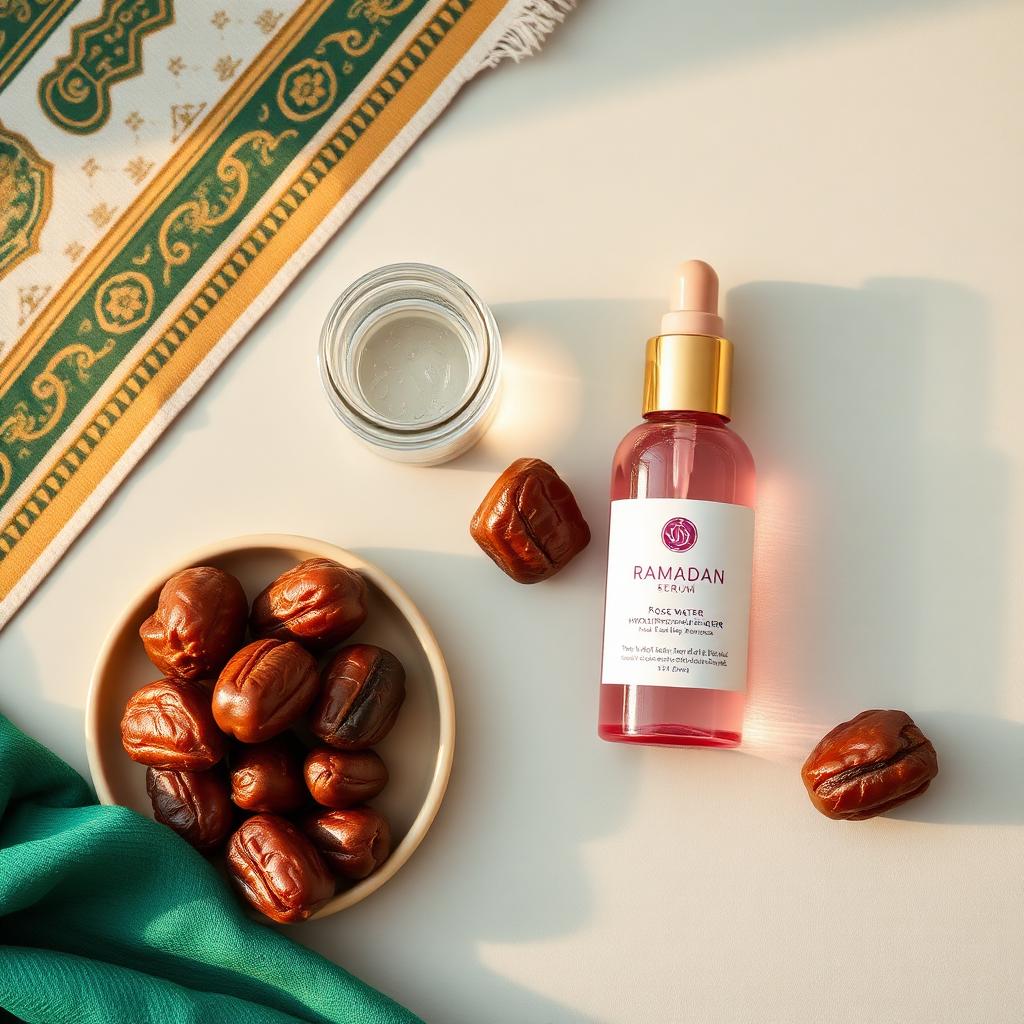
Ramadan on the coast is a special month — spiritually rich, socially busy, and physically demanding. For women in Mombasa, the long hours without water, coupled with late nights and often heavy iftar meals, can take a noticeable toll on their skin. You might find yourself facing dullness, unexpected breakouts, prominent dark under-eyes, and dry, cracked lips.
At Royal Swahili Singo N Massage (RSSM), with our branches conveniently located in Tudor and Majengo, we understand these unique challenges. Most of our Muslim clients ask the same pertinent question in the first week of Ramadan: "Should I still do treatments during Ramadan?" The unequivocal answer is yes — you absolutely can and should continue your self-care routine. The key is to simply adjust the timing and the specific treatments to align with your fasting schedule and the needs of your skin and body. RSSM NI NYUMBANI, and we're here to guide you through a Ramadan-friendly skincare and spa plan that works with your routine, not against it.
Why Your Skin Changes During Ramadan: Understanding Fasting Skin Routine Challenges
The coastal climate of Mombasa, with its inherent humidity, can sometimes mask the true extent of dehydration. However, during Ramadan, several factors combine to significantly impact your skin's health and appearance:
- Reduced water intake: The most obvious culprit. Long hours without hydration lead to dehydrated skin, which manifests as dullness, loss of elasticity, and more prominent fine lines.
- Late nights: Tarawih prayers and social gatherings often mean less deep, restorative sleep. It's during profound sleep cycles that your skin undergoes its most vital repair and regeneration processes. Lack of this "beauty sleep" hinders cellular turnover, leaving your complexion looking tired and sallow.
- Heavy iftar meals: While celebratory, traditional iftar meals can often be rich in fried, sugary, and salty foods. These can trigger inflammation, leading to breakouts, increased oil production, and puffiness.
- Air-conditioned tarawih spaces: While offering respite from the Mombasa heat, prolonged exposure to air conditioning can strip moisture from the skin, exacerbating dryness and dehydration.
- Stress and fatigue: The physical demands of fasting, coupled with altered routines, can increase stress levels, which in turn can trigger skin issues like acne flare-ups or exacerbate existing conditions.
Understanding these changes is the first step towards developing an effective Ramadan skincare strategy that keeps your skin radiant and healthy throughout the holy month.
Suhoor: Setting Your Skin Up for the Day Ahead
The pre-dawn meal, Suhoor, is not just about nourishing your body for the fast; it's also a critical window to prepare your skin.
- Hydration is paramount: Aim for 1–2 large glasses of water, sipped slowly rather than gulped. This helps your body absorb the water more effectively, providing a reservoir of hydration for the day.
- Nutrient-rich foods: Prioritize complex carbohydrates and protein (think oats, eggs, whole-wheat bread) over sugary options. These provide sustained energy and help stabilize blood sugar, which can indirectly benefit skin health.
- Topical hydration lock-in: After cleansing, apply a hydrating serum containing ingredients like hyaluronic acid or aloe vera. Follow this immediately with a rich, occlusive moisturizer to seal in the moisture. Don't forget a broad-spectrum sunscreen to protect against the Mombasa sun, even if you're mostly indoors.
- Retinol timing: Skip retinol at Suhoor. Retinol makes skin more sensitive to the sun and is best used when your skin has hours to recover in the absence of sunlight. Save it for after Iftar.
During the Day: Minimalist Skincare for Fasting Hours
During fasting hours, your skin is under stress, and less is often more. The goal is to protect, soothe, and avoid anything that could further irritate or dehydrate.
- Gentle morning cleanse: Use a mild, hydrating cleanser in the morning. Avoid harsh double-cleansing or abrasive scrubs, which can strip your skin's natural oils and moisture barrier.
- Sunscreen reapplication: If you find yourself outdoors, reapply your broad-spectrum sunscreen every few hours, especially given the strong coastal sun.
- Blot, don't wash: If your face feels oily, use blotting papers instead of washing. Excessive washing can further dry out fasting skin, triggering it to produce more oil in response.
- Lip balm on repeat: Your lips are often the first to show signs of dehydration. Keep a nourishing lip balm handy and apply it frequently throughout the day to prevent cracking and dryness.
Iftar and After: The Repair and Rehydration Window
This is your skin's prime opportunity to recover and replenish. The hours between Iftar and Suhoor are crucial for intense rehydration and targeted treatment.
- Break your fast wisely: Start with dates and water to gently reintroduce hydration and nutrients. Then, eat your meal slowly, allowing your body to adjust.
- Consistent hydration: Make it a habit to drink a glass of water every hour between Iftar and Suhoor. This consistent intake is far more effective than consuming large amounts at once. Consider adding electrolyte-rich options like coconut water.
- Mindful eating: Actively reduce fried and sugary foods. These are notorious for causing inflammation and are often the biggest culprits behind Ramadan breakouts. Opt for fresh fruits, vegetables, lean proteins, and whole grains.
- Full nightly skincare routine: This is when you can bring out the big guns.
- Cleanse thoroughly to remove the day's impurities.
- Apply a treatment serum like Vitamin C (for brightening) or Niacinamide (for barrier support and oil control).
- Follow with a rich, restorative moisturizer.
- For those who use it, this is the ideal time for retinol, allowing it to work overnight without sun exposure.
Why Ramadan Skincare and Spa Treatments Matter in Mombasa
The unique climate of Mombasa, with its high humidity and warm temperatures, means that while skin might feel less dry, dehydration can still occur internally. The mix of traditional Swahili cuisine during iftar and the social demands of Ramadan can also impact skin health. Incorporating professional spa treatments into your Ramadan spa Mombasa routine at Royal Swahili Singo N Massage isn't just about luxury; it's about targeted care that addresses these specific challenges. Our treatments are designed to combat dehydration, soothe stressed skin, and promote overall well-being, ensuring you look and feel your best for Eid.
Royal Swahili Singo N Massage: Your Ramadan Spa Destination
Yes, you can absolutely book treatments with us during Ramadan! Our experienced therapists at both the Tudor and Majengo branches are adept at providing nourishing and relaxing services that respect your fasting state.
- Best time for treatments: We recommend booking appointments in the afternoon (2–4 pm), allowing you to finish before Iftar preparations. Alternatively, after Tarawih prayers is also an excellent time for relaxation.
- Our recommended treatments for Ramadan:
- Hydrating Facial: This is a must. Our hydrating facials are designed to replenish lost moisture, restore your skin's natural barrier, and impart a healthy glow, all without harsh peels or irritating ingredients.
- Swahili Singo Massage: Our signature massage uses traditional techniques and natural oils to soothe tired muscles, reduce stress, and promote deeper, more restorative sleep – crucial for skin repair. It helps restore skin softness and improves circulation.
- Foot Reflexology: Long hours of standing for prayers or socialising can take a toll on your feet. Reflexology supports energy levels, reduces swelling, and promotes overall relaxation.
- Henna Application: A beautiful and traditional way to adorn your hands for Eid. Booking this closer to Eid ensures fresh, vibrant designs.
- Treatments to avoid during fasting hours: We advise against deep waxing, chemical peels, or any other intense treatments during fasting hours. Your pain tolerance might be lower, and these can sometimes cause temporary discomfort. It's best to book these in the last week before Eid or right after.
Eid Preparation Timeline with Royal Swahili Singo N Massage
Planning ahead ensures you look and feel your absolute best for Eid. Here's a suggested timeline:
- 2 Weeks Before Eid:
- Deep Cleansing Facial: To address any lingering breakouts or congestion.
- Full Body Waxing: To ensure smooth skin well in advance.
- 1 Week Before Eid:
- Hair Spa Treatment: To nourish and revitalize your hair.
- Pedicure Prep: A thorough pedicure to get your feet sandal-ready.
- Second Facial (if needed): If you have specific concerns like persistent acne, a second, gentler facial can be beneficial.
- 3 Days Before Eid:
- Swahili Singo Massage: For ultimate relaxation and glowing skin.
- Brightening Facial: To ensure your complexion is radiant for the festivities.
- 1 Day Before Eid:
- Henna Application: For fresh, intricate designs.
- Blow-out/Hair Styling: For perfect hair.
- Manicure & Nails: The final touch for polished hands.
This is the routine we help our cherished clients follow every year at our Tudor and Majengo branches. RSSM NI NYUMBANI, and we are dedicated to making your Ramadan and Eid experience truly special.
Common Mistakes to Avoid in Your Ramadan Skincare Routine
- Over-cleansing: Stripping your skin's natural oils can lead to more oil production or increased dryness.
- Neglecting sunscreen: Even if you're indoors, UV rays can penetrate windows. Protection is key.
- Using harsh active ingredients during the day: Retinoids and strong acids are best reserved for night-time use during Ramadan.
- Forgetting your lips and hands: These areas show dehydration quickly.
- Crash dieting or excessive sugar/fried food: What you eat directly impacts your skin.
Frequently Asked Questions (FAQ) about Ramadan Skincare & Spa
Does a facial or massage break the fast?
No. External skincare treatments, such as facials and massages, and the application of oils or creams, do not break the fast. Only ingesting food or drink, or specific religious rulings, are considered to break the fast. If you have any doubts, it's always best to consult with your local Imam.
Can I get waxed while fasting?
Yes, waxing does not break the fast. However, many women prefer to book waxing appointments after Iftar because pain tolerance can be significantly lower on an empty stomach. Opting for an evening slot at Royal Swahili Singo N Massage can make the experience more comfortable.
What is the best drink to break my fast for skin health?
Water should always be your first choice, followed by dates. After that, fresh fruit juice (without added sugar) or coconut water are excellent options for replenishing electrolytes and vitamins beneficial for your skin. Avoid sugary sodas, as they can spike blood sugar and trigger inflammation, potentially leading to breakouts.
How can I combat dark circles and puffiness during Ramadan?
Adequate sleep is crucial, but difficult during Ramadan. Focus on consistent hydration between Iftar and Suhoor. Use an eye cream with caffeine or hyaluronic acid. Cold compresses or chilled tea bags (green tea is excellent) can also help reduce puffiness. Our hydrating facials at RSSM often include soothing eye treatments.
Is it okay to wear makeup during Ramadan?
Yes, wearing makeup is permissible during Ramadan. However, given the potential for skin dehydration and breakouts, you might consider opting for lighter, breathable formulas. Ensure you thoroughly cleanse your face at night to prevent clogged pores.
Book Your Ramadan and Eid Spa Experience at Royal Swahili Singo N Massage
At Royal Swahili Singo N Massage, we are dedicated to supporting your well-being throughout Ramadan. Our expert therapists at both our Tudor and Majengo branches in Mombasa are ready to help you navigate your skincare and self-care needs during this blessed month. From hydrating facials to our signature Swahili Singo massages, we have the perfect treatment to ensure you feel refreshed, rejuvenated, and radiant for Eid.
Don't wait until the last minute! The last week before Eid always books out quickly. WhatsApp us today to plan and book your personalized Ramadan and Eid spa schedule. RSSM NI NYUMBANI – your home for peace, pampering, and beautiful skin.