How to Prepare Your Skin for Waxing (Less Pain, Better Results)
A short pre-wax routine that reduces pain, prevents ingrown hairs and keeps skin smooth for longer. What to do 24 hours before, that morning, and right after.
Navigating the world of hair removal can be a challenge, but when it comes to achieving silky-smooth skin with lasting results, waxing remains a top choice. However, many people associate waxing with discomfort, bumps, and pesky ingrown hairs. The truth is, most of these common complaints stem not from the waxing process itself, but from how to prepare for waxing and the aftercare routine. A little knowledge and a consistent pre-wax routine can transform your experience from dreaded to delightful.
At Royal Swahili Singo N Massage (RSSM), with our branches in Tudor and Majengo, Mombasa, we believe that preparing your skin correctly is the cornerstone of a successful and comfortable wax. "RSSM NI NYUMBANI" – we make sure you feel at home and leave feeling refreshed and confident. This guide will walk you through our expert recommendations, ensuring less pain, better results, and a truly luxurious experience.
Why Proper Pre-Wax Preparation Matters in Coastal Kenya
Mombasa's warm, often humid climate can present unique challenges for skin, especially when it comes to hair removal. The combination of heat and moisture can sometimes exacerbate issues like ingrown hairs if proper care isn't taken. Our skin, constantly battling sweat and environmental factors, needs extra attention to remain healthy and receptive to waxing.
Proper preparation ensures that the wax can effectively grip the hair, not your skin, which is crucial for reducing pain and irritation. It also sets the stage for preventing common post-wax issues like redness, bumps, and those stubborn ingrown hairs that can be particularly bothersome in tight clothing or swimwear – a common sight on our beautiful Kenyan coast. By following these steps, you're not just getting ready for a wax; you're investing in the long-term health and smoothness of your skin, perfectly suited for the coastal lifestyle.
The Ultimate Pre-Wax Routine: Step-by-Step for Smooth Skin
Here's what we ask our clients at Royal Swahili Singo N Massage to do before every wax, ensuring you get the best possible outcome from your session.
48 Hours Before Your Appointment: Gentle Exfoliation is Key
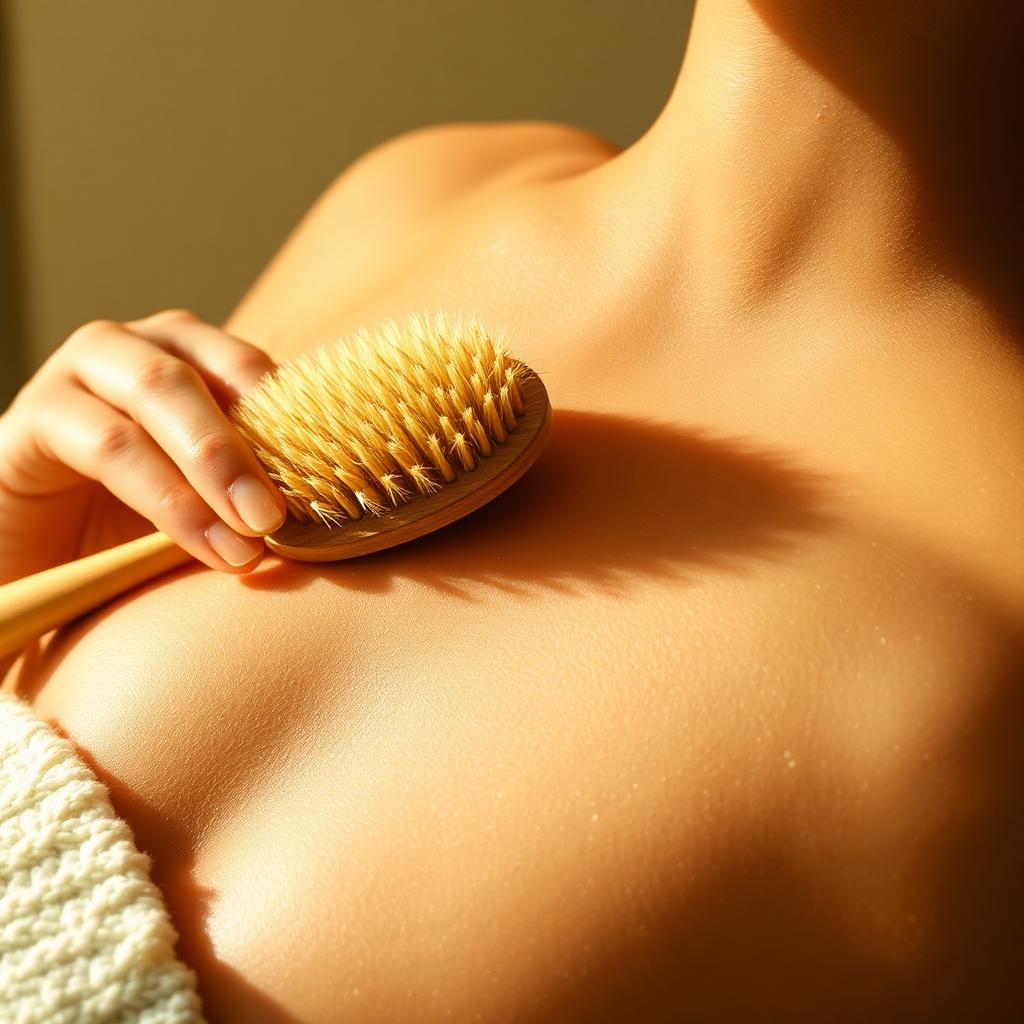
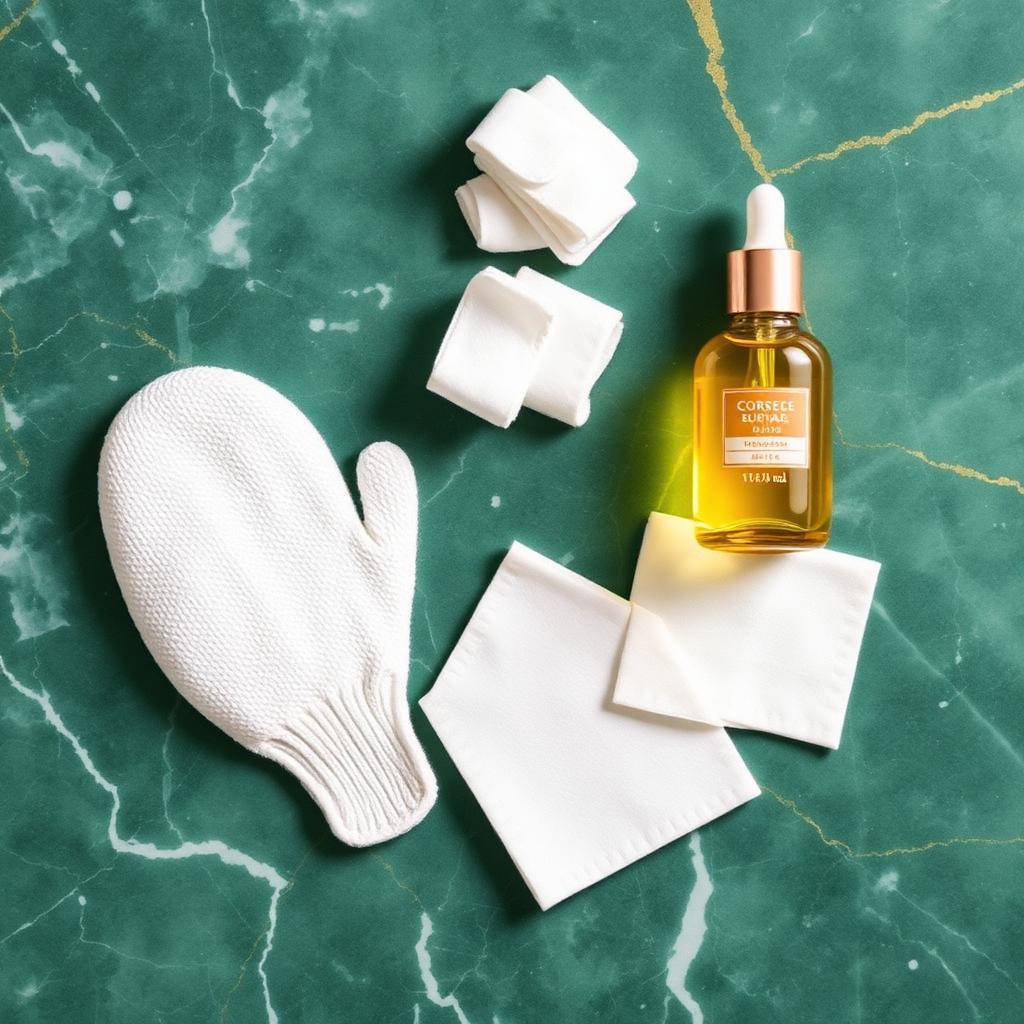
The journey to a perfect wax begins with exfoliation. Use a gentle body scrub or an exfoliating mitt on the specific area being waxed. This crucial step clears away dead skin cells that can otherwise trap hairs and prevent the wax from adhering properly. When dead skin is removed, the wax can grip the hair directly at the follicle, leading to a cleaner pull, significantly less pain, and reduced redness.
It's important not to overdo it. One good, thorough exfoliation is sufficient. Daily scrubbing immediately before a wax can sensitize the skin, making it more prone to irritation and even lifting during the waxing process. Think of it as preparing a clean canvas for your therapist.
24 Hours Before: Hydrate from Within and Without
Hydration is your skin's best friend, especially before waxing.
- Drink plenty of water. Well-hydrated skin is more elastic and supple. This elasticity allows the hair to release more easily from the follicle, contributing to a less painful experience.
- Moisturise at night with a light, non-comedogenic lotion. This keeps the skin soft and pliable without clogging pores.
- Skip heavy oils on the morning of your appointment. While moisturising is good, heavy oils can coat the hair shaft, making it difficult for the wax to properly grip the hair. This can lead to hair breakage rather than removal from the root, and ultimately, a less effective wax.
The Day of Your Wax: Final Preparations for Optimal Results
On the day of your appointment at RSSM, a few simple steps can make a big difference:
- Take a warm shower shortly before your appointment. The warm water helps to open up pores and soften hair follicles, making hair removal easier and less painful.
- Clean the area thoroughly but skip any perfumed lotions, deodorants (if waxing underarms), or heavy body oils. These can interfere with the wax's adhesion or irritate freshly waxed skin.
- Wear loose-fitting cotton clothing. Tight jeans, synthetic fabrics, or restrictive garments can rub against freshly waxed skin, leading to irritation, redness, and even ingrown hairs. Cotton is breathable and gentle, allowing your skin to recover comfortably.
- Time your appointment mid-cycle if you're getting a Brazilian or bikini wax. Many women find their skin is least sensitive about a week after their period, making the experience more comfortable.
What NOT to Do Before Your Waxing Session
Just as important as what you should do is what you absolutely should avoid doing:
- Don't shave for at least 2–3 weeks. Hair needs to be roughly the length of a grain of rice (about 5–7mm) for the wax to properly grip it. Shorter hair won't adhere, and longer hair can sometimes make the process more painful. Patience is a virtue here!
- Don't use retinol, AHAs (Alpha Hydroxy Acids), or BHAs (Beta Hydroxy Acids) on the area to be waxed for 3–5 days prior. These ingredients can thin the skin, making it more susceptible to "skin lifting" (where the top layer of skin is removed along with the hair), which can be painful and lead to scabbing.
- Don't tan or sunbathe. Sun-exposed or freshly tanned skin is already compromised and fragile. Waxing over sunburned or heavily tanned skin can cause severe irritation, blistering, and peeling.
- Don't drink alcohol right before your appointment. Alcohol can dehydrate the skin, tighten pores, and increase your pain sensitivity, making the waxing experience more uncomfortable.
Painkiller – Yes or No? Managing Discomfort
For those concerned about discomfort, taking paracetamol 30 minutes before your wax is generally fine and can help reduce sensitivity. However, we advise avoiding ibuprofen right before if you are prone to bruising, as it can thin the blood. Always consult a medical professional if you have concerns about medication. Never attempt to numb the skin with unregulated creams found on social media; these can cause severe chemical burns and other adverse reactions. Trust your RSSM therapist to make the process as comfortable as possible.
Immediately After Your Wax: Soothe and Protect
The care doesn't stop when you leave our Tudor or Majengo spa. Proper post-wax care is critical for preventing irritation and ingrown hairs.
- Cool the area with a clean, cool towel for 5–10 minutes. This helps to close pores and reduce redness.
- Apply the soothing oil or gel your therapist provides. These products are specially formulated to calm the skin, reduce inflammation, and prevent bacterial growth.
- For the next 24–48 hours, skip the gym, hot showers, saunas, tight clothing, and vigorous activity, including sex. These activities can introduce bacteria into open follicles, lead to excessive sweating, and cause friction, all of which can result in bumps or irritation.
- Begin light exfoliation again after 48 hours to prevent ingrown hairs. This is crucial for maintaining smooth skin.
Long-Term Routine to Stay Smooth and Prevent Ingrown Hairs
Consistency is key for long-lasting smoothness and to truly prevent ingrown hairs.
- Exfoliate 2–3 times a week between waxes. This regular exfoliation prevents dead skin cells from trapping new hair growth, which is the primary cause of ingrown hairs. Consider a gentle exfoliating scrub or a chemical exfoliant designed for body use.
- Moisturise daily. Keeping your skin hydrated and soft makes it easier for new hairs to grow through without getting trapped under the skin.
- Book waxes every 4 weeks. This regular schedule helps to get your hair into a consistent growth cycle. When all hairs are growing at roughly the same rate, each subsequent waxing session becomes less painful and more effective, as the wax can remove more hair at once.
Our full waxing menu — including underarms, legs, Brazilian, and full body options — is available on the menu page. We cater to both ladies (Tudor branch) and gents (Majengo branch).
Common Mistakes to Avoid When Preparing for Waxing
Even with the best intentions, some common pitfalls can hinder your waxing experience:
- Not letting hair grow long enough: This is perhaps the most frequent mistake. Hair that's too short won't adhere to the wax, leading to patchy results or requiring multiple passes, which can irritate the skin.
- Over-exfoliating: While exfoliating is good, doing it too aggressively or too close to your appointment can leave your skin raw and vulnerable.
- Using heavy lotions or oils right before: As mentioned, these create a barrier that prevents the wax from grabbing the hair effectively.
- Ignoring your skin's sensitivity: If you're using strong skincare products or have sensitive skin, ignoring the warnings about certain ingredients or sun exposure can lead to painful skin lifting.
- Scheduling during peak sensitivity: For those who experience menstrual cycle-related sensitivity, booking during this time can make the wax unnecessarily uncomfortable.
Frequently Asked Questions About Preparing for Waxing
Here are some common questions we hear at Royal Swahili Singo N Massage:
How long should hair be before waxing?
Ideally, your hair should be about 5–7mm long – roughly the length of a grain of rice. If it's shorter, the wax might not grip; if it's much longer, it can sometimes make the process more painful, though your therapist can trim it if needed.
Can I wax while on my period?
Yes, you can. However, many individuals find that their skin is more sensitive 1–2 days before and during their period due to hormonal fluctuations. If possible, booking your appointment mid-cycle (about a week after your period ends) might be more comfortable.
Why do I get ingrown hairs even after prepping?
Ingrown hairs are common but often preventable. The most frequent reasons are insufficient exfoliation between waxes, or wearing too-tight clothing (especially synthetic fabrics) right after waxing, which can trap hairs. Regular, gentle exfoliation 2–3 times a week, combined with daily moisturising, usually resolves most cases.
Can I get waxed if I have sensitive skin?
Absolutely! Many people with sensitive skin opt for waxing over shaving as it can cause less daily irritation. The key is to follow all pre- and post-wax instructions diligently, especially regarding exfoliation and avoiding harsh products. Our RSSM therapists are also skilled in working with sensitive skin types.
How often should I wax for the best results?
For optimal results and to maintain smooth skin, we recommend booking your waxing appointments every 4 weeks. This timeframe aligns with the hair growth cycle, ensuring that most hairs are at the ideal length for removal, making each session more effective and generally less painful over time.
Book Your Luxurious Waxing Experience in Mombasa
Ready to experience the difference that proper preparation makes? At Royal Swahili Singo N Massage, we are dedicated to providing you with a comfortable, hygienic, and effective waxing experience. Our expert therapists at both our Tudor (ladies only) and Majengo (gents only) branches in Mombasa are here to guide you through every step.
"RSSM NI NYUMBANI" – let us welcome you to a world of smooth, radiant skin.
Book your appointment today! WhatsApp us at [Insert WhatsApp Number Here] or visit our branches in Tudor or Majengo, Mombasa.