Sugaring vs Waxing for African Skin: Which One Actually Hurts Less?
Sugaring is trending across East Africa — but is it really gentler than waxing on melanin-rich skin? Here's the honest comparison.
Welcome to Royal Swahili Singo N Massage (RSSM NI NYUMBANI), your sanctuary for luxurious and effective skincare in Mombasa. For those navigating the world of hair removal, especially on melanin-rich skin, the choice between sugaring vs waxing is a crucial one. It's not just about removing unwanted hair, but about doing so safely, comfortably, and without the common side effects that can particularly affect African skin. We're here to give you the honest truth about which method truly hurts less and is better for your beautiful skin.
The Two Methods of Hair Removal, Explained Simply for Mombasa Residents
When considering hair removal options in Mombasa's humid climate, understanding the mechanics of each method is key. Both waxing and sugaring aim to remove hair from the root, providing smoother results than shaving, but they achieve this in distinct ways.
Waxing involves applying a warm or hot resin-based product to the skin. This wax adheres to both the hair and the top layer of dead skin cells. Once applied, it's either removed with a strip (soft wax) or allowed to harden and then pulled off directly (hard wax). The pulling motion is typically against the direction of hair growth, which can be effective but also quite jarring to the skin and hair follicles.
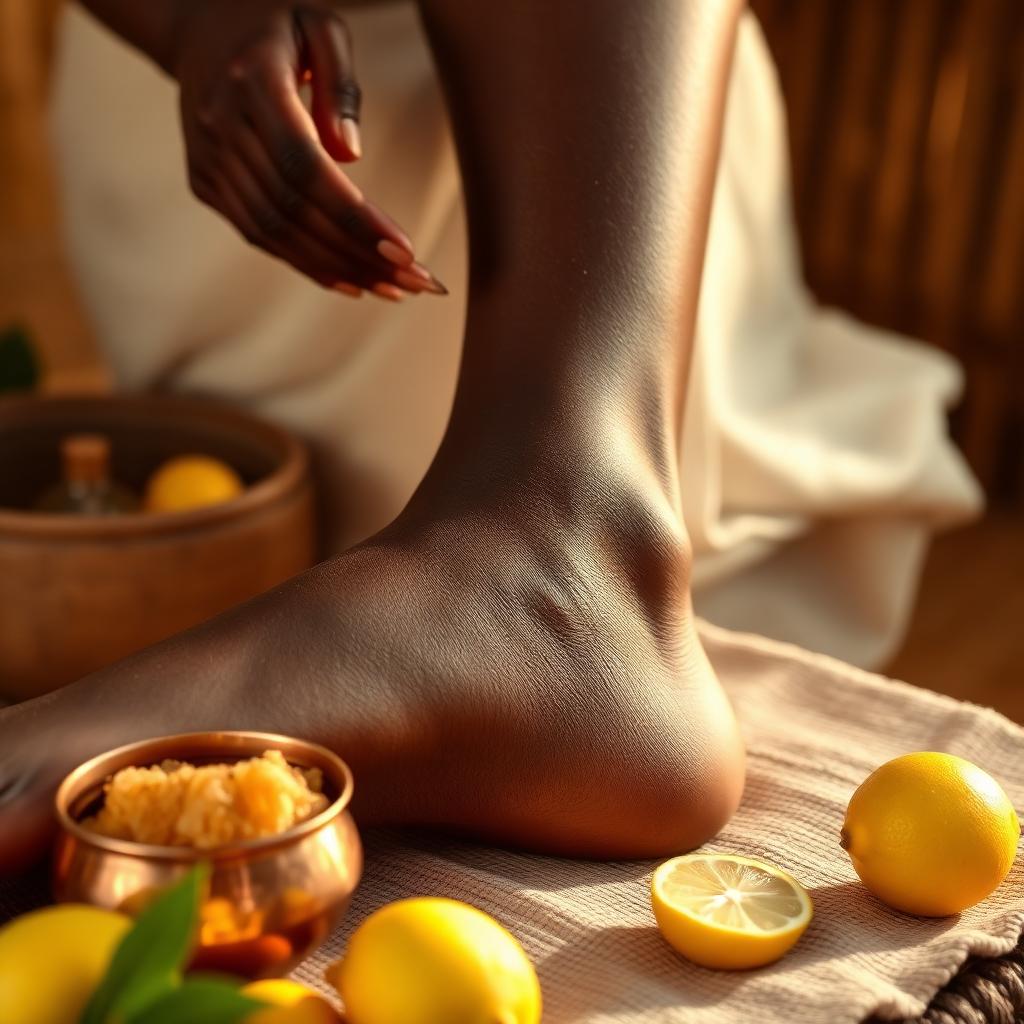
Sugaring, on the other hand, utilizes an all-natural, edible paste made from just sugar, lemon juice, and water. This paste is applied at room temperature or slightly warm, never hot, ensuring no risk of burns. The unique property of sugar paste is its ability to encapsulate the hair follicle without strongly adhering to living skin cells. It's then 'flicked' off quickly in the natural direction of hair growth. This technique is often described as a gentler experience, particularly appealing to those with sensitive skin or concerns about skin trauma.
Why the Choice Matters in Mombasa and Coastal Kenya
In a tropical climate like Mombasa's, where humidity is high and skin is often exposed, hair removal methods carry additional considerations. The constant moisture can exacerbate issues like ingrown hairs and skin irritation if not managed properly. Furthermore, melanin-rich skin, prevalent in coastal Kenya, is more prone to post-inflammatory hyperpigmentation (PIH) — dark spots that can appear after skin trauma. Choosing the right hair removal method isn't just about aesthetics; it's about maintaining healthy, even-toned skin. This is why at Royal Swahili Singo N Massage, we prioritize techniques that minimize these risks for our Tudor and Majengo clients.
Which Hair Removal Method Hurts Less on Dark Skin?
For the vast majority of our clients, especially those with sensitive or melanin-rich skin, sugaring consistently proves to be the less painful option. The reason lies in the fundamental differences in how each method interacts with the skin and hair.
Sugaring paste adheres primarily to the hair itself, not the living skin cells. This means when the paste is removed, it doesn't pull and tug at the skin as much as wax can. Additionally, the sugaring technique involves removing hair in the direction of its natural growth. This significantly reduces the stress on the hair follicle and minimizes the sensation of pain. For highly sensitive areas like the underarms, bikini line, and particularly for a Brazilian sugaring, the difference in comfort is truly remarkable. Clients often describe sugaring as a less intense, "snapping" sensation compared to the sharp "rip" of waxing.
Minimizing Hyperpigmentation Risk with Sugaring
This is perhaps the most compelling reason why many of our Mombasa clients with African skin are switching to sugaring. Post-inflammatory hyperpigmentation (PIH) is a common concern for individuals with darker skin tones. It manifests as stubborn dark spots or patches that can linger long after an injury or inflammation has healed. Hot wax, by its very nature, introduces heat trauma to the skin. This heat, combined with the forceful removal that can strip off living skin cells, can trigger an inflammatory response, leading to PIH.
Sugaring paste, applied at body temperature, eliminates this risk of heat-induced trauma. Furthermore, because it adheres only to the hair and dead skin cells (which are naturally shed), it doesn't cause the same level of skin stripping or irritation. By reducing inflammation and trauma, sugaring significantly lowers the likelihood of developing those frustrating dark shadows under the arms, along the bikini line, and on inner thighs, helping our clients maintain beautifully even skin tone. It’s a game-changer for skincare in the coastal climate.
Combating Ingrown Hairs with Sugaring
Ingrown hairs are a common nuisance, especially in areas where hair is coarse or curly. They occur when a hair curls back or grows sideways into the skin, causing redness, bumps, and sometimes infection. Sugaring offers a distinct advantage in preventing ingrown hairs.
The key is the direction of removal. Sugaring pulls hair out from the follicle in the natural direction of growth. This gentle extraction minimizes hair breakage at or below the skin's surface. When hair breaks, it's more likely to get trapped and grow inwards. By removing the hair cleanly from the root, with the follicle intact and in its natural growth pattern, sugaring dramatically reduces the chances of hairs curling back into the skin. Combined with a consistent exfoliation routine, as recommended in our pre-wax prep guide, sugaring can nearly eliminate the problem of ingrown hairs for many clients, leaving skin smoother and clearer.
Cost and Frequency Considerations
While the initial cost of a sugaring session might appear slightly higher than waxing at some establishments, it's important to consider the long-term value. Sugaring often leads to a longer period of smoothness, typically requiring appointments every 4–6 weeks, compared to waxing's 3–4 weeks. This extended period between sessions can balance out the per-session cost over the course of a year, making the overall investment quite similar. Moreover, the reduced risk of skin complications like PIH and ingrowns can save you money and time on corrective treatments in the long run.
When Waxing Still Holds Its Own
Despite the many benefits of sugaring, there are still scenarios where traditional waxing shines. For individuals with very coarse, thick hair, particularly on larger body areas like legs, arms, and men's chests or backs, hot wax can be a faster and more efficient option for removal. Its stronger grip on thicker hair allows for quick coverage of larger areas, making the session quicker. For quick at-home touch-ups between professional appointments, especially for areas like underarms, pre-made wax strips can also be a convenient solution. At RSSM, our experienced technicians are adept at both methods and can advise on the best approach for your specific hair type and body area.
What Royal Swahili Singo N Massage Recommends
Based on our extensive experience serving clients with diverse skin and hair types in Mombasa, we have clear recommendations:
- For highly sensitive areas, faces, underarms, bikini, and Brazilian areas on melanin-rich skin: Sugaring is our top recommendation. Its gentle nature, reduced pain, and minimal risk of PIH and ingrown hairs make it the superior choice for these delicate zones.
- For legs, arms, and larger body areas: Traditional waxing is an excellent option, provided it's performed by a skilled and experienced technician who understands how to minimize skin trauma.
We encourage you to book a personalized consultation at our Tudor branch (ladies) or Majengo branch (gents). Our specialists will assess your skin and hair type, discuss your concerns, and recommend the best hair removal strategy tailored just for you.
Your Sugaring Experience: What to Expect at RSSM
When you choose sugaring at Royal Swahili Singo N Massage, you're opting for a serene and professional experience.
- Preparation: Your technician will cleanse the area to ensure it's free of oils and lotions. A light powder might be applied to absorb any excess moisture, crucial in Mombasa's climate.
- Application: The lukewarm, natural sugar paste is gently molded onto your skin against the direction of hair growth. Our skilled technicians are adept at this, ensuring minimal discomfort.
- Removal: With a quick, smooth flick, the paste is removed in the direction of hair growth, extracting the hair from the root. This technique is precise and designed to minimize pain and skin irritation.
- Post-Care: After your sugaring session, a soothing after-care product will be applied to calm the skin and prevent any post-treatment irritation. Your technician will also provide personalized advice on at-home care.
Essential Aftercare and Preparation for Optimal Results
To maximize the benefits of your sugaring or waxing session and maintain healthy skin, proper preparation and aftercare are vital:
Before Your Appointment:
- Hair Length: Ensure your hair is at least 3mm long (about 2 weeks of growth after shaving).
- Exfoliate Gently: 24-48 hours before your appointment, gently exfoliate the area to remove dead skin cells and lift hairs. Avoid harsh scrubbing.
- Moisturize: Keep your skin hydrated in the days leading up to your appointment.
- Avoid Sun Exposure: Sunburned skin is too sensitive for hair removal.
After Your Appointment:
- Keep it Clean: For the first 24-48 hours, avoid hot baths, saunas, swimming pools, and excessive sweating to prevent bacterial infection in open follicles.
- Moisturize Daily: Hydrate your skin every day to keep it supple and prevent dryness.
- Exfoliate Regularly: Begin gentle exfoliation 2-3 days after your appointment and continue 2-3 times a week to prevent ingrown hairs. Use a mild scrub or exfoliation mitt.
- Avoid Tight Clothing: Opt for loose, breathable fabrics to prevent friction and irritation.
- Sun Protection: Always protect treated areas from direct sun exposure.
Common Mistakes to Avoid with Hair Removal
- Shaving in Between: This disrupts the hair growth cycle and can make subsequent sugaring/waxing more painful and less effective.
- Not Exfoliating: Neglecting exfoliation is a primary cause of ingrown hairs.
- Over-Exfoliating: Too much scrubbing can irritate the skin, especially before or after hair removal.
- Using Harsh Products: Avoid fragranced lotions, harsh soaps, or alcohol-based products on freshly treated skin.
- Ignoring Aftercare: Skipping post-treatment care advice can lead to irritation, bumps, and ingrowns.
- Going to Inexperienced Technicians: Improper technique can lead to skin lifting, bruising, and increased pain. Always choose a reputable spa like RSSM.
Frequently Asked Questions About Sugaring and Waxing
Is sugaring safe during pregnancy?
Yes, sugaring is generally considered a safe hair removal method during pregnancy. While waxing is also typically safe, many pregnant women find sugaring to be a more comfortable and less irritating experience due to its gentle nature and cooler temperature. Always consult your doctor if you have any specific concerns.
How long does hair need to be for sugaring?
For optimal results, hair should be approximately 3mm long, which usually translates to about two weeks of growth after shaving. This is slightly shorter than the recommended length for waxing, making sugaring a good option if you prefer not to wait as long between sessions.
Can I sugar the day before an event?
Yes, absolutely! One of the significant advantages of sugaring, especially for melanin-rich skin, is that it typically causes less redness and irritation compared to waxing. This means you can comfortably schedule your sugaring session a day before a special event without worrying about lingering redness, allowing your skin to be smooth and ready.
Will sugaring make my hair grow back thinner?
With consistent sugaring over time, many clients report that their hair grows back finer, sparser, and softer. Because sugaring extracts hair from the root, it can damage the hair follicle over time, leading to weaker regrowth. This is a common and welcome side effect for those seeking long-term hair reduction.
Is sugaring suitable for all body parts?
Yes, sugaring is incredibly versatile and can be used on almost any body part, including the face, underarms, arms, legs, back, chest, and sensitive areas like the bikini line and for Brazilian sugaring. Its gentle nature makes it particularly ideal for delicate skin.
Ready to Experience the RSSM Difference?
Whether you're new to hair removal or looking for a gentler, more effective solution for your African skin, Royal Swahili Singo N Massage is here to guide you. We invite you to experience the luxury of smooth, healthy skin with our expert sugaring and waxing services.
RSSM NI NYUMBANI – Your home for exceptional skincare in Mombasa.
Book your consultation or appointment today at our Tudor branch (for ladies) or Majengo branch (for gents). See our full menu of services here Or reach out to us directly via WhatsApp for any inquiries or to schedule your visit. We look forward to welcoming you!