Ingrown Hairs After Waxing: Prevention and Treatment for African Skin
Achieving silky, bump-free skin in Mombasa’s tropical climate requires more than a standard beauty routine. For melanin-rich African skin, hair removal often comes with the unwelcome frustration of ingrown hairs and pain
Achieving silky, bump-free skin in Mombasa’s tropical climate requires more than a standard beauty routine. For melanin-rich African skin, hair removal often comes with the unwelcome frustration of ingrown hairs and painful razor bumps. At Royal Swahili Singo N Massage, we combine traditional Swahili skin therapies with modern waxing aftercare to ensure your skin remains smooth, nourished, and completely glowing.
Understanding Ingrown Hairs on Melanin-Rich Skin
An ingrown hair occurs when a shaved or tweezed hair curls back and grows inward into the skin, triggering inflammation, hyperpigmentation, or small raised bumps often called razor bumps. Melanin-rich African skin naturally tends to feature tightly coiled or curved hair follicles. When these hair shafts are cut at sharp angles through daily shaving or pulled incorrectly during low-quality waxing, the emerging hair easily pierces the surrounding follicle wall instead of growing straight out through the pore.
In coastal Mombasa, our unique climate adds another layer to this skin challenge. High humidity and salty ocean air keep our skin naturally hydrated, but they also increase sebum production and sweat accumulation. When excess oil blends with dead skin cells, pores become clogged quickly. This layer of dead surface skin traps new hairs beneath the surface, making improper waxing aftercare a prime recipe for irritation, dark spots, and stubborn ingrown hair formation.
Key Benefits of Waxing Over Shaving
Switching from traditional razors to professional esthetician-led waxing is one of the most effective ways to reduce chronic razor bumps and achieve lasting smoothness. When performed correctly, waxing removes the entire hair shaft from the root, allowing the hair to grow back softer and finer over time.
Here is why professional waxing benefits African skin in our warm Swahili climate:
- Longer-Lasting Smoothness: Removes hair directly from the root, giving you up to four weeks of smooth skin without daily blade friction.
- Thinner, Softer Regrowth: Consistent waxing weakens the hair follicle over time, resulting in finer strands that are far less likely to curl back into the tissue.
- Targeted Exfoliation: The waxing process gently removes built-up dead skin cells that cause dullness and trap emerging hairs.
- Reduced Hyperpigmentation: Eliminates the daily razor burn and micro-cuts that trigger dark marks and chronic inflammation on dark skin tones.
- Improved Product Absorption: Cleared pores allow natural oils, serums, and soothing body balms to penetrate deeper and work effectively.
Essential Waxing Aftercare to Prevent Bumps
Proper aftercare is non-negotiable if you want to keep your skin clear and silky following a session. Managing your skin after leaving the spa is just as important as the treatment itself, especially when navigating Mombasa’s hot afternoon sun and humid air.
Gentle Physical and Chemical Exfoliation
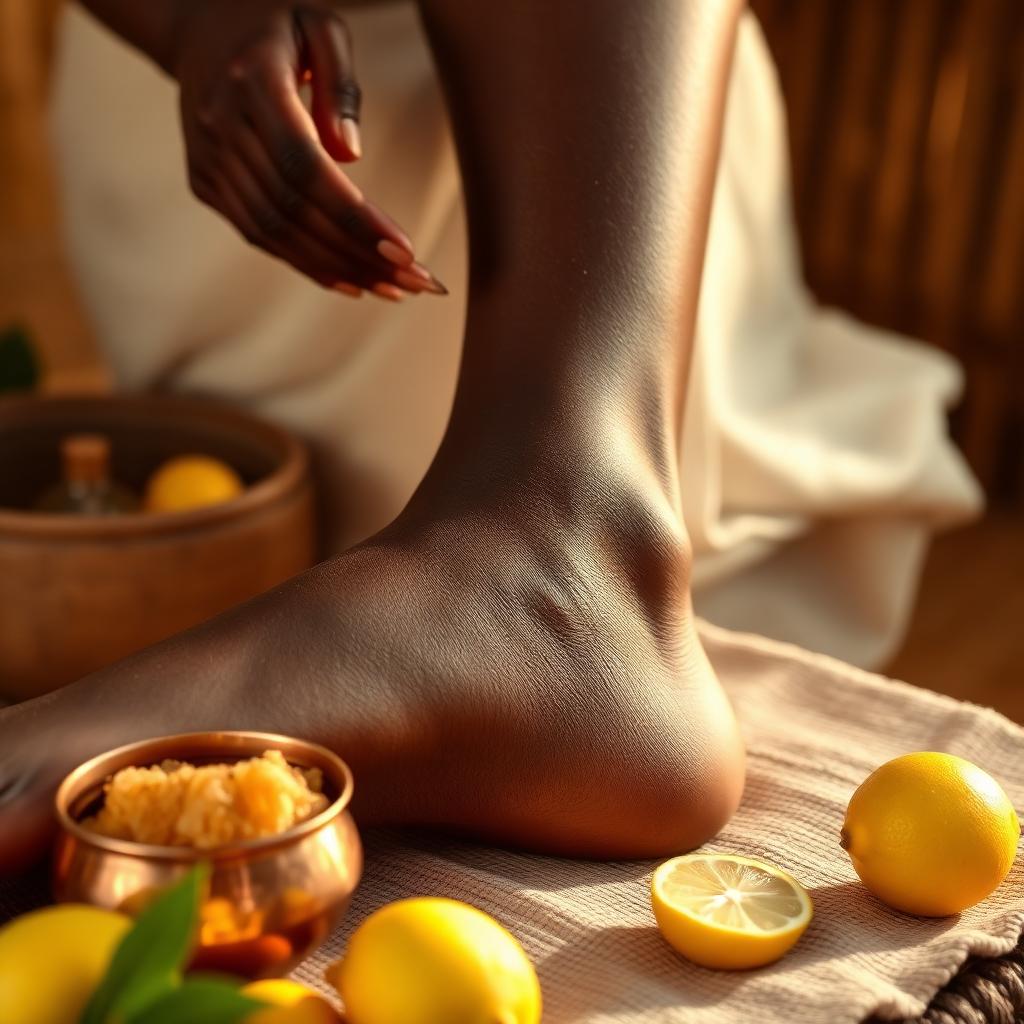
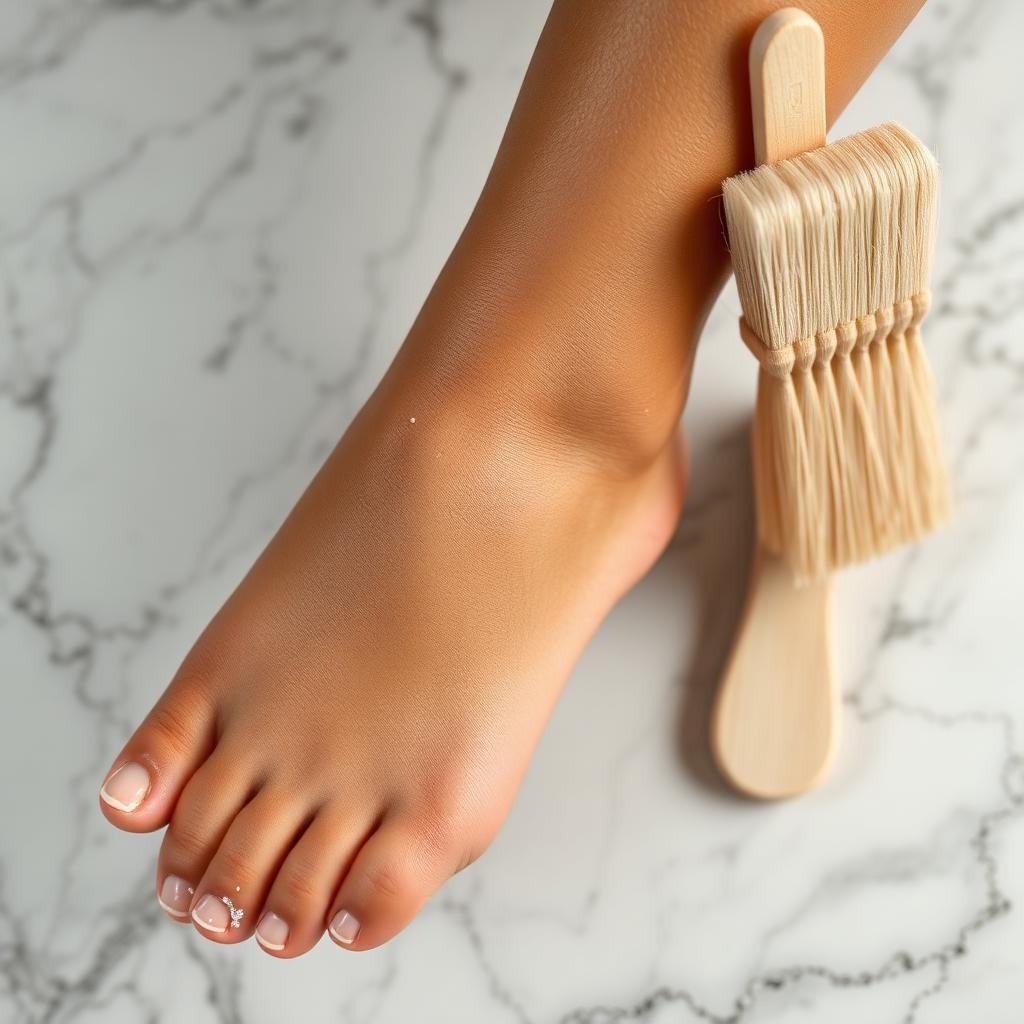
Exfoliation is your strongest defense against an ingrown hair. However, African skin must be treated gently to avoid post-inflammatory hyperpigmentation. Wait 48 hours after your wax before starting your exfoliation routine. Use a natural Swahili herbal scrub, such as traditional Singo ingredients featuring sandalwood, jasmine, and coconut, or a mild chemical exfoliant containing salicylic acid or lactic acid. Gently exfoliating twice a week sweeps away dead skin cells without stripping your moisture barrier.
Keep the Skin Hydrated and Cool
Living along the coast means balancing sweat and hydration. Avoid heavy, pore-clogging mineral oils immediately after waxing. Instead, opt for lightweight, soothing botanical oils like pure coconut oil, jojoba oil, or fresh aloe vera gel 🌿. Apply these natural soothing agents daily to keep the hair follicle soft, allowing new growth to push through the skin surface smoothly.
Wear Loose, Breathable Clothing
Friction from tight jeans, synthetic leggings, or coarse fabrics rubs against newly waxed follicles, pushing bacteria into open pores. For the first two to three days after your appointment, embrace flowy Swahili cotton fabrics, loose linen, or traditional lesos to allow your skin to breathe in the coastal heat.
Book at RSSM Tudor or Majengo via WhatsApp — RSSM ni nyumbani.
What to Expect at RSSM Tudor and Majengo
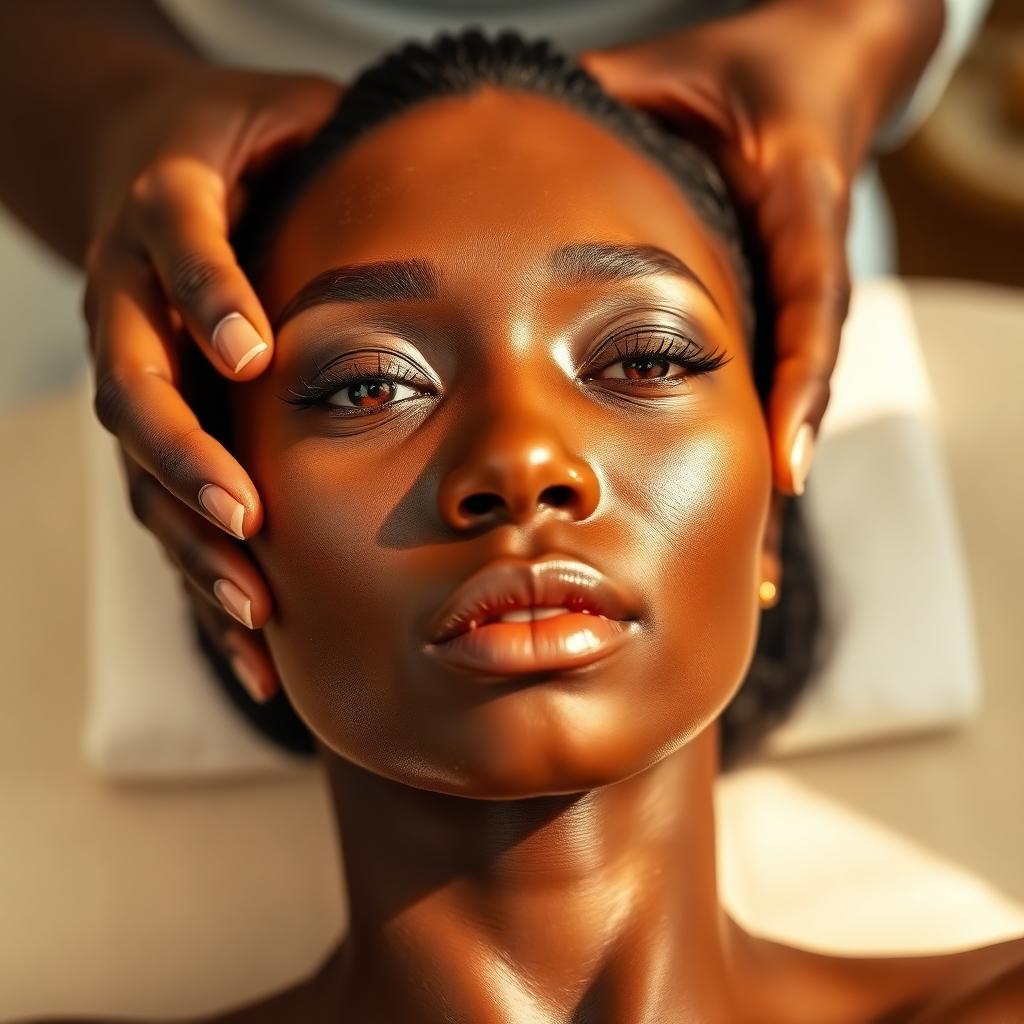
At Royal Swahili Singo N Massage, we treat hair removal as a holistic skin wellness ritual rather than just a quick routine service. Whether you visit our tranquil sanctuary in Tudor or our vibrant hub in Majengo, our expert therapists understand the unique structural needs of African skin and textured hair.
We begin every treatment by assessing your skin condition and cleansing the area with calming floral waters. We use premium, low-temperature waxes designed to grip short hair firmly without pulling at delicate skin tissue. Following your session, we apply soothing, anti-inflammatory botanical elixirs rooted in age-old Swahili beauty traditions. You will walk out not only hair-free, but with deep hydration that leaves your body soft, fragrant, and protected against razor bumps.
Who Should (and Shouldn't) Get Waxed
While professional waxing works wonders for most men and women in Mombasa, timing and skin health are essential for achieving the safest results.
Who Should Try It:
- Anyone struggling with persistent razor bumps and hyperpigmentation from daily shaving.
- Men and women seeking long-lasting smooth skin for beach days or special events.
- Individuals with coarse, curly body hair looking to soften regrowth over time.
Who Should Wait or Avoid It:
- Individuals currently taking oral acne medications like isotretinoin or using strong topical retinoids.
- Anyone with active sunburns, open wounds, eczema flare-ups, or skin infections in the target area.
- Those who have shaved within the last 5 to 7 days, as hair needs to be at least a quarter-inch long for effective removal.
Frequently Asked Questions
Q: How soon after waxing can I go swimming in the ocean at Nyali or Diani?
A: It is best to wait at least 24 to 48 hours before diving into the ocean or swimming pools. Freshly waxed pores remain open and vulnerable to salt, sand, and bacteria, which can cause severe stinging, irritation, or sudden breakouts.
Q: Can waxing completely cure my razor bumps?
A: While waxing cannot alter your natural hair growth pattern permanently, consistent waxing combined with proper exfoliation drastically reduces and often eliminates razor bumps by thinning out hair texture and removing the harsh friction caused by razor blades.
Q: Is Swahili Singo scrub safe to use after a waxing session?
A: Yes, but timing is key! Traditional Singo—a fragrant blend of sandalwood, rosewater, Ylang Ylang, and coconut—is a wonderful natural exfoliant. However, you should wait 48 hours post-wax before applying any body scrub to allow open skin pores to close safely.
Q: How long should my hair be before I book an appointment at RSSM?
A: For the wax to grip the hair effectively without breaking it at the surface, your hair should be roughly the length of a grain of rice (about 1/4 inch or 6mm). This usually means letting your hair grow for 2 to 3 weeks after your last shave.
Q: Does waxing hurt more in Mombasa's humid heat?
A: Warm, humid weather naturally softens your skin and opens pores, which can actually make hair removal smoother! Our RSSM treatment rooms in Tudor and Majengo are kept comfortable and cool to ensure a relaxing, virtually painless experience.
Book at RSSM Tudor or Majengo via WhatsApp — RSSM ni nyumbani.