Rosehip Oil for African Skin: Benefits, How to Use & Local Alternatives
Living along the Mombasa coastline means our skin constantly interacts with humid breezes, ocean salt, and intense equatorial sun. While melanin-rich skin possesses a natural, radiant defense, keeping high humidity and U
Living along the Mombasa coastline means our skin constantly interacts with humid breezes, ocean salt, and intense equatorial sun. While melanin-rich skin possesses a natural, radiant defense, keeping high humidity and UV exposure from causing uneven tone requires thoughtful care. Rosehip oil has emerged as a botanical powerhouse for African skin, delivering deep nourishment and glow without feeling heavy or greasy in our warm coastal climate.
What Is Rosehip Oil and Why Does Melanin-Rich Skin Love It?
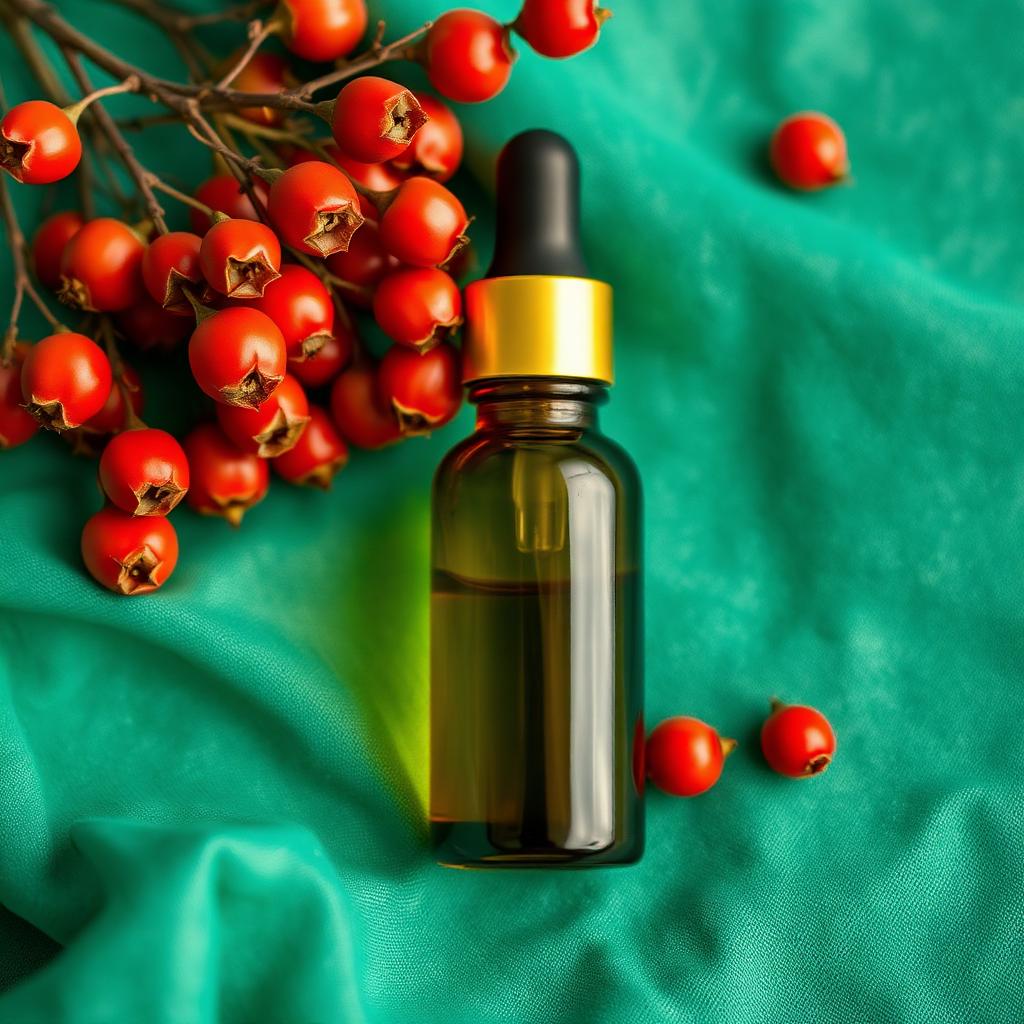
Rosehip oil is a cold-pressed plant oil harvested from the seeds and fruit of wild rose bushes (Rosa rubiginosa or Rosa moschata). Unlike essential oils, which are distilled steam extracts, rosehip oil is a rich carrier oil packed with skin-loving nutrients.
What makes it so remarkable for African skin is its chemistry. Rich in essential fatty acids (omega-3, omega-6, and omega-9), beta-carotene (a precursor to Vitamin A), and antioxidant Vitamin C, rosehip oil works in harmony with melanin-rich complexions. African skin tends to produce higher levels of sebum but can still suffer from transepidermal water loss when exposed to Mombasa’s humid heat and sea salt air.
Rosehip oil is classified as a "dry oil." This means it absorbs rapidly into the skin barrier without leaving a thick, sticky residue on your face—making it an ideal natural oil for anyone living in or visiting Tudor, Majengo, or the wider coastal region.
Key Benefits of Rosehip Oil for African Skin
Incorporating rosehip oil into your beauty routine yields visible, long-lasting improvements for your complexion:
- Fades Dark Spots and Hyperpigmentation: Melanin-rich skin naturally reacts to inflammation, breakouts, or sun exposure by producing extra pigment. The high Vitamin C and Vitamin A content in rosehip oil encourages gentle cell turnover, helping fade stubborn dark spots and restore an even, glowing skin tone.
- Delivers Natural Anti-Aging Protection: Constant sun exposure along the coast accelerates collagen breakdown. The antioxidants in rosehip oil neutralize free radicals, preserving skin elasticity, smoothing fine lines, and maintaining a youthful bounce.
- Deeply Hydrates Without Clogging Pores: Heavy creams often mix with sweat and humidity to block pores. Rosehip oil provides deep hydration while remaining non-comedogenic (rating a 1 on the pore-clogging scale), keeping your complexion soft and clear.
- Soothes Salt Air and Sun Sensitivity: Spending time along Mama Ngina Drive or North Coast beaches can leave skin feeling stressed. The essential fatty acids in rosehip oil repair the skin's lipid barrier, calming irritation caused by sea salt and sun exposure.
- Balances Natural Sebum Production: If your skin overproduces oil due to humidity, applying a light, linoleic acid-rich oil like rosehip signals your glands to balance oil production, reducing midday shine.
How to Incorporate Rosehip Oil into Your Daily Coastal Skincare Routine
To get the most out of this botanical treasure in a tropical setting, follow these simple steps:
- Cleanse Gently: Wash your face with a mild, hydrating cleanser to remove sweat, dust, and salt buildup.
- Dampen Skin: Spritz your face with pure rosewater or a light floral mist. Applying oils to slightly damp skin locks in maximum moisture.
- Dispense 2–3 Drops: Warm two to three drops of pure rosehip oil between your fingertips.
- Press, Don't Rub: Gently press the oil into your face, neck, and chest area using upward strokes.
- Nighttime Routine: Use it as the final step in your evening routine so your skin can regenerate overnight while you rest in the cool evening breeze.
- Daytime Routine: If using in the morning, follow up with a broad-spectrum sunscreen to protect your newly renewed skin from the strong coastal sun.
Experience the ultimate botanical indulgence customized for your skin. Book your facial or Singo body treatment at RSSM Tudor or Majengo via WhatsApp — RSSM ni nyumbani.
Swahili Beauty Traditions and Local Coastal Alternatives
Long before modern skincare bottles arrived on store shelves, coastal Swahili women perfected the art of natural skin care using indigenous plants, seeds, and blossoms. The famed Singo scrub—a traditional Swahili body treatment made from fresh jasmine, sandalwood, ylang-ylang, and raw botanical pastes—has nourished coast complexions for generations.
While rosehip oil is a modern favorite, it sits comfortably alongside time-honored Swahili natural oils and local coastal alternatives:
- Baobab Oil: Sourced directly from the African "Tree of Life," baobab oil is exceptionally rich in Vitamin C and fatty acids. It offers intense moisture repair and is locally harvested in Kenya.
- Coconut Oil (Mawuta ya Nazi): A staple in every coastal household. While wonderful for body massages and hair care, coconut oil can be too heavy for facial skin prone to dark spots or acne.
- Simsim (Sesame) Oil: Traditionally used in coastal preparations, sesame oil provides warmth and deep tissue nourishment during traditional body wraps.
- Marula Oil: Another African botanical superstar, marula oil absorbs quickly and provides intense antioxidant protection against environmental stressors.
Combining the targeted anti-aging power of rosehip oil with traditional Swahili skin rituals offers the perfect blend of modern care and heritage wisdom.
What to Expect at RSSM: Luxury Botanical Care in Tudor and Majengo
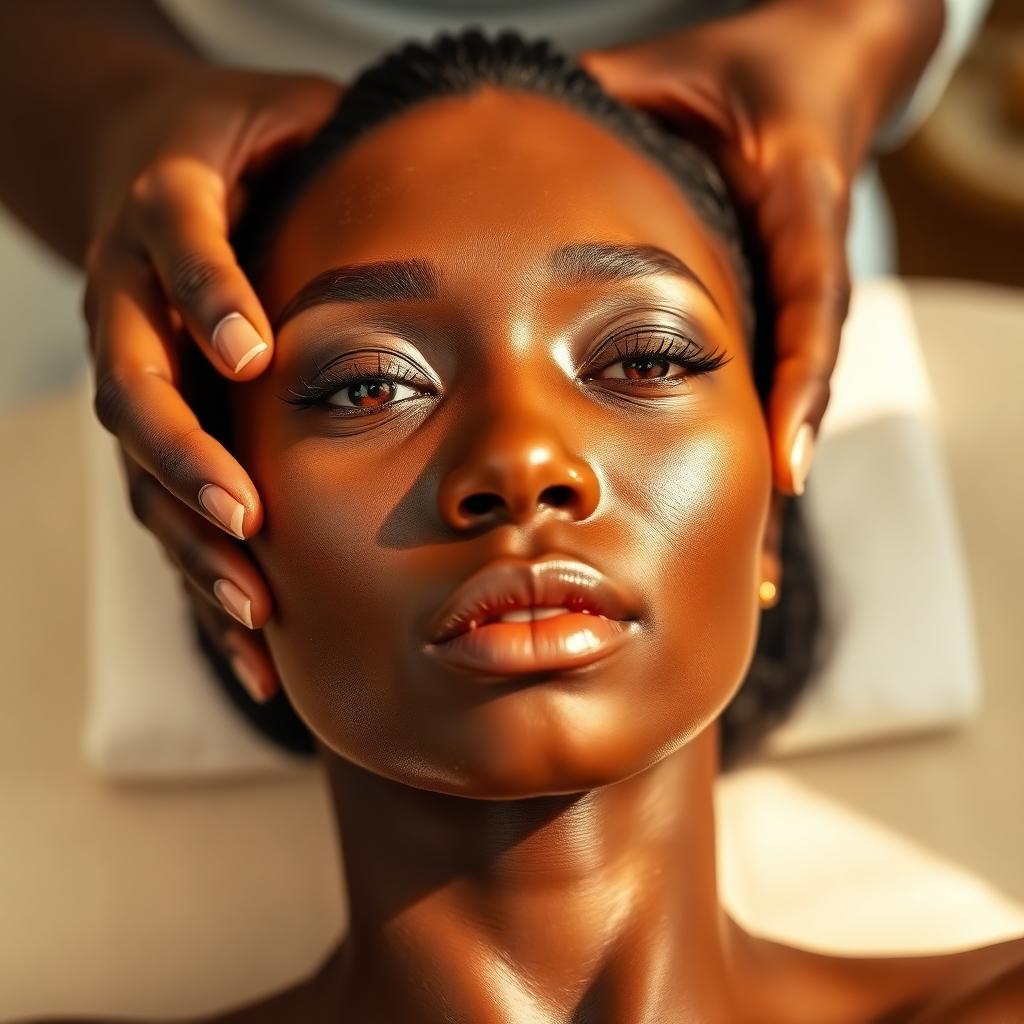
At Royal Swahili Singo N Massage (RSSM), we believe skincare should feel like coming home to pure comfort. Whether you visit our serene spa in Tudor or our welcoming sanctuary in Majengo, our expert therapists understand the unique needs of African skin in Mombasa's warm climate.
When you book a facial or body treatment at RSSM, we begin with a personal skin consultation. We incorporate premium natural oils, gentle steam, and traditional Swahili Singo techniques tailored to your skin type. Our treatments help soothe heat-stressed skin, clear congestion, fade hyperpigmentation, and leave your body enveloped in a lingering, delicate coastal aroma.
Who Should (and Shouldn't) Use Rosehip Oil?
Who Should Use It:
- Anyone struggling with uneven tone, dark spots, or acne scars.
- Those seeking gentle, natural anti-aging support.
- Individuals with dry, combination, or dull skin needing an authentic glow.
Who Should Exercise Caution:
- Active Severe Acne: If you are experiencing inflamed cyst breakouts, wait until the inflammation calms before applying concentrated facial oils.
- Rose Allergies: Anyone with a known allergy to rose plants should perform a 24-hour patch test on their inner forearm before applying it to the face.
Aftercare and At-Home Tips for Lasting Coastal Radiance
Maintaining radiant African skin in a humid environment requires a few practical habits:
- Store Oils Correctly: Mombasa heat can degrade delicate cold-pressed oils. Store your rosehip oil in a cool, dark drawer, or keep it in the refrigerator for an extra-soothing, cooling application at night.
- Prioritize Sun Protection: Natural oils nourish the skin, but they do not replace sun protection. Always wear sunscreen during the day to protect your skin from dark spots caused by UV rays.
- Hydrate from Within: Complement your topical oils by drinking fresh madafu (young coconut water) and plenty of fresh water to keep your skin plump and hydrated from the inside out.
Frequently Asked Questions
Can rosehip oil cause breakouts on oily African skin?
No, rosehip oil is lightweight and non-comedogenic, meaning it does not clog pores. Its high linoleic acid content actually helps balance excess sebum production, making it suitable even for oily and combination skin types.
How long does it take for rosehip oil to fade dark spots?
With consistent daily application, most people notice an improvement in skin brightness and reduced dark spots within 4 to 8 weeks. Pair it with daily sunscreen for the best results.
Can I use rosehip oil together with traditional Swahili Singo scrubs?
Yes! Rosehip oil works wonderfully after a traditional Singo scrub. The scrub gently removes dead skin cells, allowing the nourishing vitamins and fatty acids in rosehip oil to absorb deeper into the skin.
Is rosehip oil better than coconut oil for facial skin in Mombasa?
For facial skin, yes. Coconut oil has a higher comedogenic rating and can trap sweat and oil in humid coastal weather, leading to clogged pores. Rosehip oil is much lighter and far less likely to cause facial breakouts.
How should I store natural oils in hot, humid Mombasa?
Keep your natural oils in a cool, dark place away from direct sunlight. Refrigerating cold-pressed oils like rosehip prolongs their shelf life and prevents them from spoiling in coastal heat.
Ready to treat your skin to authentic coastal luxury? Book at RSSM Tudor or Majengo via WhatsApp — RSSM ni nyumbani.