Postpartum Belly Binding: The Swahili Way to Recover
Swahili and Islamic postpartum tradition includes gentle belly binding, warming oils and rest. Here's what belly binding is, when to start, and how it fits into modern recovery.
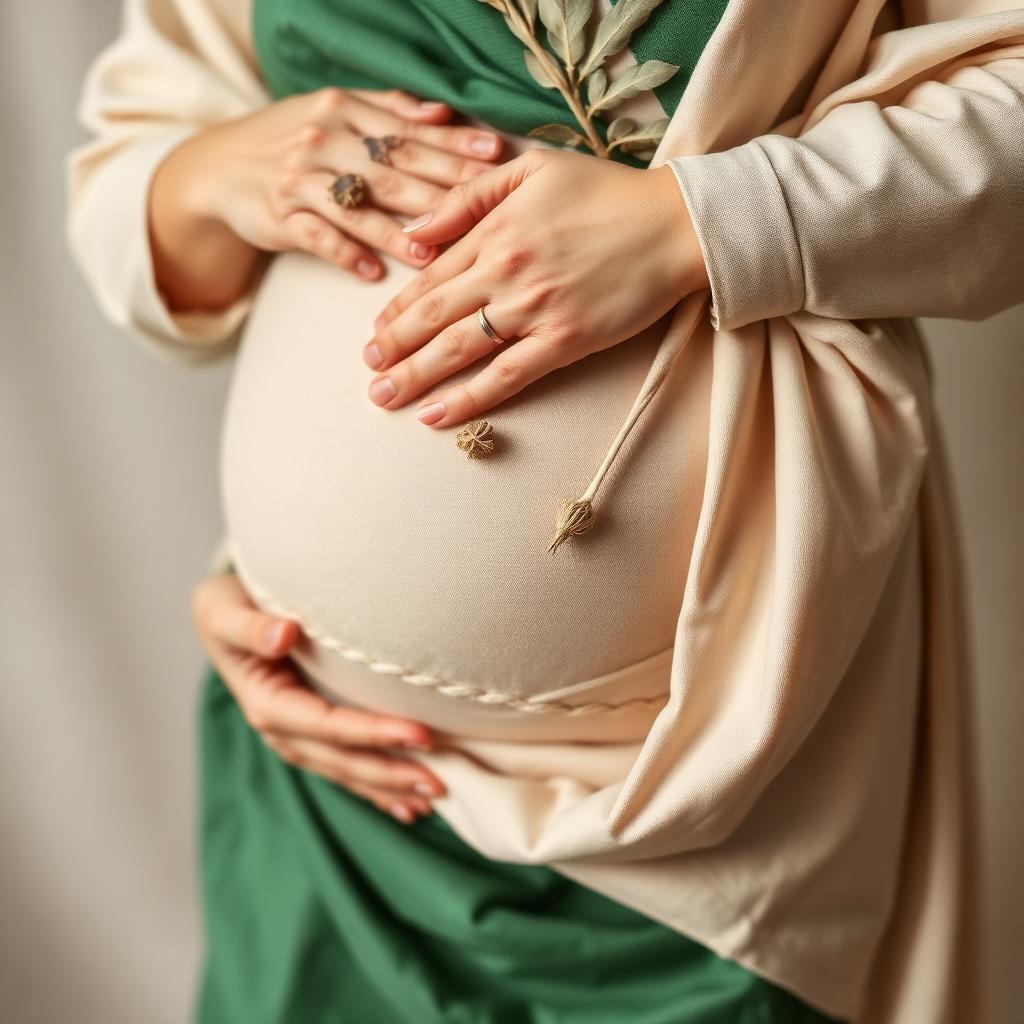
Along the sun-kissed Swahili coast, where the rhythm of the Indian Ocean soothes and ancient traditions thrive, postpartum care is a cherished and holistic journey. It's a time-honored blend of warm baths, exquisitely scented oils, invigorating herbal steams, and the comforting embrace of belly binding – a soft, supportive wrap around the midsection designed to aid recovery. This practice, often referred to as mkanda wa nyonga in Swahili culture, is a legacy passed down through generations. Grandmothers impart its wisdom, mothers embrace its benefits, and increasingly, modern research is validating the profound efficacy of this ancient ritual.
At Royal Swahili Singo N Massage (RSSM), with branches conveniently located in Tudor and Majengo, Mombasa, we are proud to offer a postnatal experience that beautifully marries this rich heritage with contemporary comfort and therapeutic understanding. Our approach to belly binding Kenya is not merely a service; it's an immersion into a tradition that nurtures and restores. Here, we delve deeper into what belly binding entails, the ideal timing for its commencement, and how it seamlessly integrates into a modern postpartum recovery Mombasa plan.
The Essence of Belly Binding: Understanding Mkanda wa Nyonga
Belly binding is the deliberate practice of enveloping the abdomen with a long, typically soft, piece of cloth or a specialized binder following childbirth. In the heart of Swahili postnatal tradition, this wrap is frequently accompanied by the application of warm, infused oils and gentle massage techniques. It's a holistic approach, deeply rooted in cultural wisdom, that transcends mere physical support.
It's crucial to understand that the primary objective of this practice is not to aggressively "snap back" the belly to its pre-pregnancy state overnight. Instead, its purpose is far more nuanced and supportive:
- Supporting the Abdominal Wall: During pregnancy, the abdominal muscles and connective tissues (linea alba) stretch significantly. Belly binding provides gentle compression, offering crucial support as these tissues begin their natural healing and retraction process.
- Encouraging Uterine Involution: The uterus, after delivering the baby and placenta, undergoes a remarkable process called involution, where it contracts and returns to its pre-pregnancy size. The gentle pressure from a belly wrap can subtly assist this natural physiological process.
- Improving Posture and Spinal Alignment: New mothers often find themselves hunched over while breastfeeding, carrying the baby, or recovering from childbirth. A well-applied belly bind can offer gentle lumbar support, encouraging better posture and alleviating back strain, a common complaint during the postpartum period.
- Providing a Sense of Physical Containment: Many new mothers describe the sensation of wearing a belly bind as feeling "held together" or "contained." This physical support can translate into a psychological comfort, helping to mitigate the feeling of looseness or instability that can sometimes follow childbirth.
- Aiding Diastasis Recti Recovery (with caution): While not a cure, gentle and correctly applied binding can support the abdominal muscles while a mother works with a pelvic floor physiotherapist on exercises to heal diastasis recti (separation of the abdominal muscles).
When to Begin Your Postpartum Belly Binding Journey
Timing is paramount when it comes to safe and effective belly binding. It's not a one-size-fits-all approach and depends significantly on your birthing experience.
- Vaginal Birth: For mothers who have experienced a vaginal delivery, belly binding can typically commence around 3–5 days postpartum, once any initial soreness or discomfort has subsided. The body has undergone immense change, and this initial period allows for natural healing to begin.
- C-section (Cesarean Section): If you've had a C-section, patience is key. It is imperative to wait until approximately 6–8 weeks postpartum, and ONLY after receiving explicit clearance from your doctor or midwife. Crucially, you must never apply a belly bind directly over a fresh surgical incision that is not fully healed. Doing so can impede healing, cause pain, or even lead to complications.
Regardless of your birth experience, the golden rule remains: Always consult your doctor or midwife before embarking on any postpartum recovery regimen, including belly binding. Every woman's recovery journey is unique, and professional medical advice ensures your safety and well-being.
Duration and Application: How Long to Wear Your Mkanda
The duration and application of your belly wrap are as important as when you start. The goal is consistent, gentle support, not restrictive pressure.
- Initial Phase: Begin by wearing the wrap for shorter durations, typically 2–4 hours a day, allowing your body to adjust to the sensation and support.
- Gradual Increase: As you become more comfortable, gradually increase the wearing time to 8–12 hours a day for the first 4–6 weeks postpartum. This period is critical for initial healing and muscle retraction.
- Nighttime & Showers: Always remove the belly bind when you go to sleep at night and when showering. This allows your skin to breathe and prevents any discomfort during rest.
- Traditional Length: In many Swahili and Islamic postnatal cultures, the practice of belly binding, alongside other traditional rituals, is often observed for a period of 40 days. This duration is seen as a sacred time for deep healing and bonding.
The wrap should always feel firm and supportive, yet comfortable – never tight or constricting. If you experience any tingling sensations, shortness of breath, digestive discomfort, or pain, loosen the wrap immediately. Listen to your body; it's your best guide.
Why Belly Binding Matters in Coastal Kenya: A Local Perspective
In Mombasa's humid coastal climate, traditional practices like belly binding take on an added layer of significance. The emphasis on warmth, gentle compression, and natural oils aligns perfectly with the need for comfort and support in a tropical environment. The rich Swahili postnatal tradition is not just about physical recovery, but also about cultural identity and community support. In areas like Tudor and Majengo, these traditions are alive and well, offering new mothers a sense of belonging and continuity. The gentle compression can also be particularly comforting in a climate where the body might feel more expanded or "loose" postpartum.
Belly Binding + Swahili Postnatal Massage: The RSSM Difference
At Royal Swahili Singo N Massage, we believe in a holistic approach to postpartum recovery Mombasa. Belly binding is not an isolated practice but an integral component of a broader, deeply nurturing postnatal ritual designed to honor and restore the new mother. Our comprehensive sessions are crafted to address the multifaceted needs of postpartum women:
- Warm Oil Massage (Swahili Singo, adapted for postpartum): Our signature Swahili Singo massage is thoughtfully adapted for the postpartum body. Using warming, nourishing oils, our skilled therapists gently work to relieve the common tension in the back, shoulders, and neck often caused by breastfeeding, carrying the baby, and the general strain of childbirth.
- Gentle Abdominal Massage: Following the full body massage, a specialized, gentle abdominal massage is performed. This technique aims to support the uterus in its natural return to size and can also aid in digestion, which can sometimes be sluggish postpartum.
- Herbal Steam Bath (Dukhan): A cherished traditional practice, the Dukhan involves a warm, aromatic herbal steam bath for the lower body. This practice is deeply embedded in Swahili culture, believed to promote warmth, cleanse, and provide profound comfort to the perineal area and pelvic region.
- Belly Binding Tutorial and Application: Our therapists provide a thorough, hands-on belly binding tutorial, demonstrating the correct and safe way to apply the wrap. This empowers mothers to confidently continue the practice at home, ensuring sustained support throughout their recovery.
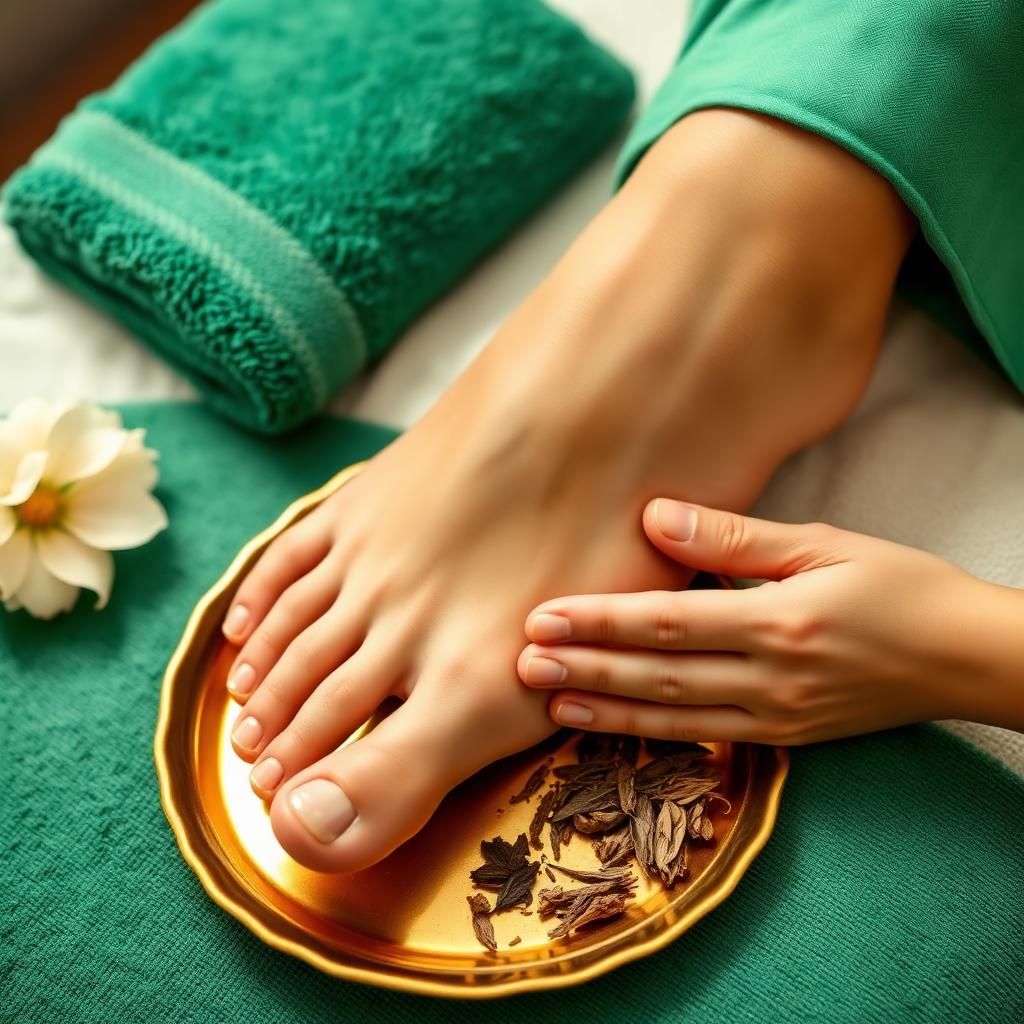
- Foot Reflexology: To combat swelling, improve circulation, and alleviate fatigue – all common postpartum complaints – our sessions conclude with a soothing foot reflexology treatment, targeting specific pressure points to promote overall well-being.
What Belly Binding is NOT: Dispelling Common Misconceptions
It's crucial to distinguish between genuine belly binding and other practices that may seem similar but carry different intentions or risks.
- Not a Weight-Loss Corset: Belly binding is emphatically NOT a tool for rapid weight loss or an aggressive waist trainer. Using tight, restrictive shapewear on healing postpartum tissues can be detrimental, potentially leading to pelvic floor dysfunction, prolapse, or hindering proper muscle recovery.
- Not a Substitute for Medical Care: If you experience any concerning postpartum symptoms such as heavy bleeding, persistent fever, severe pain, or emotional distress, seek immediate medical attention. Belly binding is a supportive practice, not a medical treatment.
- Not for Use During Pregnancy: This practice is strictly for the postpartum period. Applying abdominal compression during pregnancy is unsafe and unnecessary.
Who Should Exercise Caution or Delay Belly Binding?
While beneficial for many, certain conditions warrant caution or deferral of belly binding:
- Fresh C-section: As mentioned, wait until your doctor has given explicit clearance and the incision is fully healed.
- Open Wounds or Infection: Any open skin, wounds, or active infections in the abdominal area are contraindications for binding.
- Severe Diastasis Recti: If you have a significant separation of your abdominal muscles (severe diastasis recti), it's best to consult with a pelvic floor physiotherapist first. They can guide you on appropriate exercises and advise if gentle binding is suitable alongside your rehabilitation.
- Any Medical Contraindications: Always adhere to any specific recommendations or warnings from your doctor or midwife regarding abdominal pressure or physical activity.
Nurturing Yourself: Essential Postpartum Self-Care for the First 40 Days
The first 40 days (or "confinement" period) are revered in many cultures, including Swahili postnatal tradition, as a sacred time for the mother to heal, bond with her baby, and be nurtured. Beyond belly binding, these practices are vital:
- Prioritize Rest: More rest than you think you need is essential. Sleep when the baby sleeps, and don't hesitate to ask for help to ensure you get adequate rest.
- Hydrate with Warm Fluids: Opt for warm water, nourishing broths, and herbal teas. In Mombasa's climate, staying hydrated is always important, and warm fluids are believed to aid internal healing.
- Embrace Warming Foods: Incorporate nutrient-dense, warming foods into your diet. Coconut milk, ginger-infused dishes, and wholesome chicken or vegetable broths are excellent choices, aligning with traditional practices.
- Accept Support: This is not the time for stoicism. Allow family and friends to help with chores, cooking, or childcare. Accepting support is a sign of strength, not weakness.
- Skin-to-Skin Contact: Maximize skin-to-skin time with your newborn. This promotes bonding, regulates baby's temperature, and aids in breastfeeding.
Common Mistakes to Avoid During Postpartum Belly Binding
To ensure a safe and effective experience, be mindful of these common pitfalls:
- Binding Too Tightly: This is perhaps the most significant mistake. Excessive pressure can hinder circulation, cause discomfort, and potentially lead to pelvic floor issues. Remember, supportive, not restrictive.
- Binding in the Wrong Place: The bind should primarily support the lower abdomen and pelvis, not ride up into the rib cage, which can restrict breathing.
- Ignoring Discomfort: If you feel pain, tingling, numbness, or shortness of breath, the bind is too tight or incorrectly applied. Adjust or remove it immediately.
- Not Consulting a Professional: Attempting to bind without proper guidance, especially after a C-section or with pre-existing conditions, can be risky. Seek advice from your healthcare provider or a trained postpartum therapist.
- Relying Solely on Binding: Belly binding is a supportive tool, not a standalone solution for all postpartum recovery needs. It should be part of a holistic approach that includes rest, nutrition, gentle movement, and medical check-ups.
- Using the Wrong Material: Opt for breathable, natural fabrics that are soft against the skin, especially in Mombasa's humidity. Avoid stiff, non-yielding materials.
Frequently Asked Questions About Postpartum Belly Binding
Can I bind after a C-section?
Yes, but only after your doctor or midwife has given you explicit clearance, which is typically around 6-8 weeks postpartum. It is absolutely crucial that your incision is fully healed, dry, and free from any signs of infection before you begin. Never bind over a fresh surgical site.
Will belly binding flatten my stomach?
Belly binding supports the abdominal muscles as they naturally retract and heal, which can contribute to a flatter appearance. However, it's not a magical solution for fat loss and does not replace the benefits of a healthy diet and appropriate postpartum exercise. Its primary goal is support and recovery, not cosmetic "flattening."
Is Dukhan safe after birth?
Traditional Dukhan is widely used across Swahili communities postpartum, valued for its warming and cleansing properties. Its safety and timing post-birth depend on your individual recovery, particularly if you had stitches or any perineal trauma. At RSSM, we always adapt treatments and meticulously inquire about your birth history and current healing status to ensure your comfort and safety.
How do I choose the right type of belly wrap?
For traditional Swahili postnatal tradition binding, a long, non-stretchy, breathable fabric like cotton or muslin is ideal. Modern binders are also available, but ensure they offer gentle, even compression rather than restrictive tightness. Avoid wraps that are too elastic or corset-like. Our therapists at RSSM can guide you on suitable options.
Can belly binding help with back pain?
Yes, many mothers find that belly binding provides excellent lumbar support, which can significantly alleviate the lower back pain often experienced postpartum due to changes in posture, breastfeeding, and carrying the baby. The gentle compression helps stabilize the core, reducing strain on the back muscles.
RSSM NI NYUMBANI: Your Sanctuary for Postpartum Recovery
At Royal Swahili Singo N Massage, we understand that the journey of motherhood is transformative and requires profound care. Our Postnatal Recovery Package is thoughtfully designed to provide just that – a blend of ancient wisdom and modern comfort, delivered with the warmth and expertise you deserve. From therapeutic massages and the comforting embrace of Dukhan to personalized belly binding guidance, we are here to support your holistic healing.
Discover your sanctuary for postpartum recovery Mombasa at our Tudor or Majengo branches. We invite you to experience the nurturing touch of Swahili postnatal tradition. See our full menu of services or reach out to us directly.
RSSM NI NYUMBANI. We welcome you home to healing.
Book your Postnatal Recovery Package today! Visit us at our Tudor or Majengo branches in Mombasa, or WhatsApp us to schedule your appointment or inquire about our services. Your journey to wellness begins here.