Reflexology Foot Massage: Why Your Feet Deserve More Attention
Reflexology is more than a fancy foot rub. Here's how pressure-point work on the feet supports sleep, digestion and stress — and what a session looks like at our spa.
Your feet carry you tirelessly through the vibrant life of Mombasa, enduring everything from the humid coastal climate to long days on your feet, perhaps navigating the bustling markets or simply enjoying a stroll along the beach. Yet, these hardworking foundations of your body often receive the least attention until discomfort strikes. This is where reflexology in Mombasa steps in, offering a profound form of care that goes far beyond a simple foot rub.
Reflexology is a targeted foot-massage technique rooted in the ancient wisdom that specific points on the feet correspond to organs, glands, and systems throughout the body. Whether you embrace this mapping literally or appreciate it as a powerful energetic framework, the tangible effects on stress reduction, improved sleep, and enhanced circulation are undeniably real. At Royal Swahili Singo N Massage (RSSM), with branches conveniently located in Tudor and Majengo, Mombasa, it's one of our most requested services and add-ons, a testament to its immediate and lasting benefits.
Understanding Reflexology: More Than Just a Foot Massage
At its core, reflexology involves the application of thumb and finger pressure to precise points on the feet, and occasionally the hands and ears. Each of these points, or reflex areas, is believed to correlate with a specific part of the body. For instance, the arch of the foot often maps to the digestive system, the toes to the head and sinuses, and the heels to the lower back and hips. This intricate connection allows a skilled therapist to address systemic imbalances through focused work on your feet.
It's crucial to distinguish reflexology from a general foot massage. While a typical foot rub feels wonderfully relaxing, reflexology operates with a deeper intention. Our trained therapists at RSSM utilize specific techniques of holding, pressing, and releasing these reflex points. This deliberate interaction sends signals to your nervous system, encouraging a profound state of relaxation and prompting the body's innate healing mechanisms. It’s a holistic approach to wellness, tapping into the body’s natural ability to restore balance.
Why Reflexology Matters in Mombasa and Coastal Kenya
Living in Mombasa, your feet are constantly exposed to unique environmental factors. The warm, humid climate can contribute to swelling and fatigue, while the active coastal lifestyle means your feet are often on the go. Reflexology in Kenya offers specific advantages in this context:
- Combatting Humidity-Induced Swelling: Many clients experience relief from fluid retention and swelling, a common complaint in Mombasa’s tropical climate. Reflexology can improve circulation and lymphatic drainage, leaving your feet feeling lighter and refreshed.
- Stress Relief from Urban Life: Mombasa, while beautiful, is a bustling city. The constant demands can lead to accumulated stress. Reflexology provides a powerful antidote, triggering the parasympathetic nervous system (rest and digest) to help you unwind and de-stress.
- Supporting Overall Wellness: Swahili culture often emphasizes holistic well-being. Reflexology aligns perfectly with this philosophy, offering a natural and non-invasive way to support various bodily functions and promote a sense of inner harmony, fitting right in with the "RSSM NI NYUMBANI" ethos of comfort and care.
The Transformative Benefits Our Clients Experience
The feedback from our clients at Royal Swahili Singo N Massage consistently highlights several key benefits, demonstrating the profound impact of this therapy:
- Deeper, More Restful Sleep: This is perhaps the most frequently cited benefit. By calming the nervous system, reflexology helps quiet a racing mind, paving the way for significantly improved sleep quality the very same night.
- Alleviated Tension Headaches: For those who spend hours in front of screens or endure daily stressors, tension headaches are a common affliction. Reflexology can help release muscle tension in the neck and shoulders indirectly, often leading to a noticeable reduction in headache frequency and intensity.
- Improved Digestive Harmony: Many clients report better digestion and reduced discomfort in the days following a session. By stimulating reflex points related to the digestive organs, reflexology can encourage smoother functioning.
- Lighter, Less Swollen Feet: This benefit is particularly appreciated in Mombasa's warm climate. Enhanced circulation and lymphatic drainage help reduce puffiness and fatigue in the feet and ankles, leaving them feeling invigorated.
- Profound Overall Stress Reduction: Reflexology is a powerful tool for triggering the body's parasympathetic response, shifting it from a state of "fight or flight" to "rest and digest." This leads to a profound sense of calm and well-being that can last for days.
- Boosted Energy Levels: By improving circulation and reducing tension, reflexology can help alleviate fatigue and leave you feeling more energized and revitalized.
What to Expect: Your Royal Swahili Singo Reflexology Journey
At Royal Swahili Singo N Massage, we ensure your pressure point foot massage experience is one of pure indulgence and therapeutic benefit. Here’s a step-by-step glimpse into what you can expect:
- A Warm Welcome and Consultation: Your journey begins with a warm greeting and a brief chat with your skilled therapist. This is your opportunity to discuss any specific concerns, areas of tension, or health conditions, ensuring a personalized session.
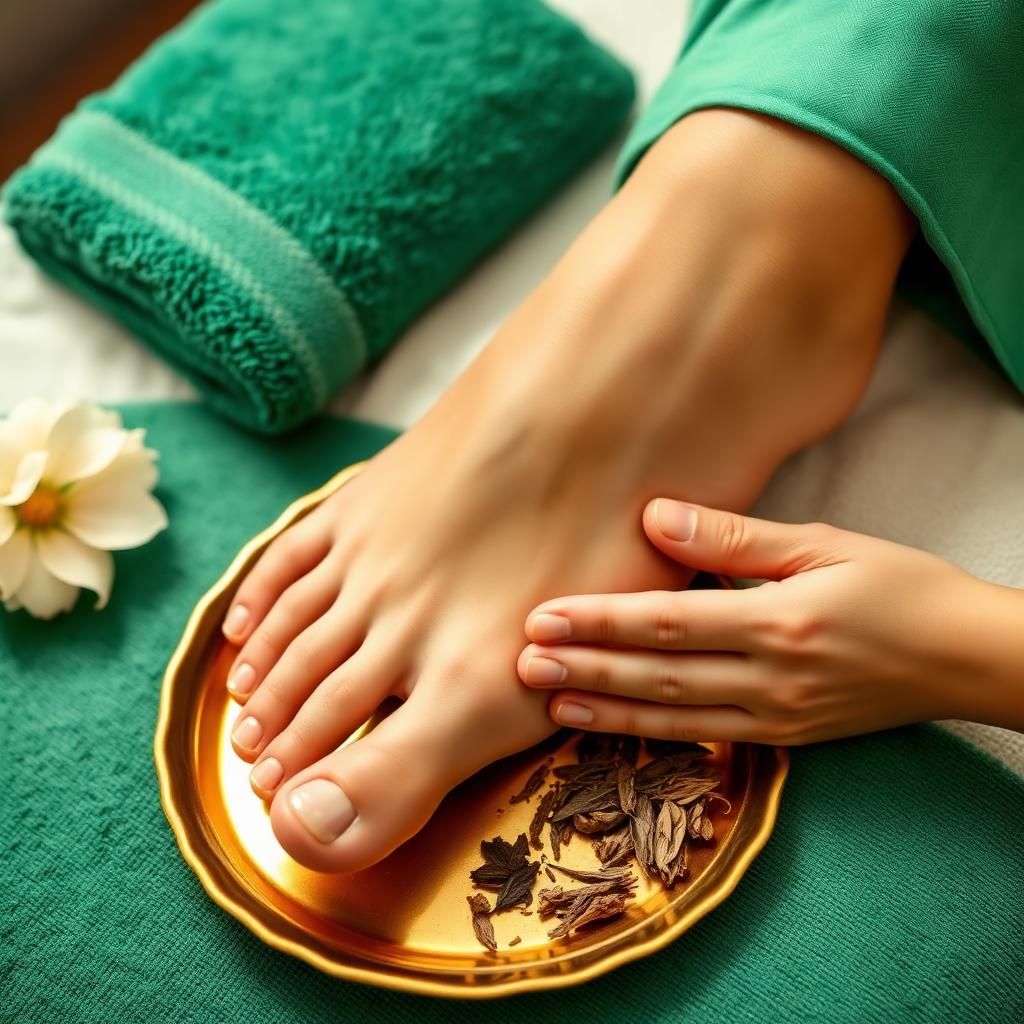
- Luxurious Warm Foot Soak: We start with a soothing warm foot soak, infused with calming rose water or traditional Swahili herbs. This not only begins the relaxation process but also softens the skin, preparing your feet for the therapy.
- Gentle Cleansing and Exfoliation: Following the soak, your feet receive a gentle cleansing and light scrub. This ensures optimal contact for the oils and pressure work, enhancing the therapeutic effect.
- Guided Pressure Work (30–45 minutes): This is the core of your reflexology session. Your therapist will meticulously apply precise pressure to various reflex points on both feet, working systematically from the toes to the heels. You might feel some tenderness in certain areas, which often indicates an energy blockage or tension in the corresponding body part. Communication with your therapist is key here – they will adjust pressure as needed.
- Finishing Touch: Warm Oil Massage and Calf Release: The session concludes with a deeply relaxing warm oil massage, extending from your feet up to your calves. This final touch further enhances circulation, releases any remaining tension, and leaves your lower legs feeling incredibly light and supple.
Most clients choose to experience reflexology on its own for focused relief or as a wonderfully relaxing add-on to other RSSM services, such as our signature Swahili Singo massage or a rejuvenating facial. It's particularly recommended after a long day of travel, helping to alleviate jetlag and foot fatigue.
Who Should Embrace the Benefits of Reflexology?
Reflexology is a versatile therapy that can benefit a wide range of individuals:
- Those with Poor Sleep or Restless Nights: If you struggle to fall asleep, stay asleep, or find your mind racing at night, reflexology can be a powerful aid.
- Individuals on Their Feet All Day: Office workers, teachers, healthcare professionals, hairdressers, and anyone with a demanding job that requires prolonged standing will find immense relief.
- New Mothers (Postnatal): With doctor's clearance, reflexology can be wonderfully restorative for new mums, helping with fatigue and stress recovery.
- Travelers: Combat jetlag, swollen feet, and general travel fatigue with a targeted reflexology session, especially after long flights to or from Mombasa.
- Those Who Prefer Non-Full-Body Massage: If you're not comfortable with a full-body massage but still crave deep relaxation and therapeutic benefits, reflexology is an excellent alternative.
- Anyone Seeking Stress Relief: In our fast-paced world, stress is omnipresent. Reflexology offers a dedicated time and space for profound relaxation and nervous system recalibration.
Important Considerations: Who Should Be Cautious?
While generally safe and beneficial, there are certain situations where reflexology should be approached with caution or avoided:
- Open Wounds or Active Infections: Avoid reflexology on feet with open cuts, sores, or active fungal infections to prevent irritation or spread.
- Recent Injuries: If you have a fresh foot or ankle injury, it’s best to wait until it has healed.
- Uncontrolled Diabetes with Foot Complications: Individuals with severe diabetic neuropathy or foot ulcers should consult their doctor before receiving reflexology.
- First Trimester of Pregnancy: Most spas, including RSSM, advise against reflexology during the first trimester as a precautionary measure. Always inform your therapist if you are pregnant.
- Blood Clots/Deep Vein Thrombosis (DVT): If you have a history of blood clots, consult your doctor before receiving any massage therapy, including reflexology.
- Certain Medical Conditions: Always have an open conversation with your therapist about any pre-existing medical conditions, medications, or recent surgeries. They can advise on suitability and adapt the treatment if necessary.
How Often Should You Indulge?
The frequency of your reflexology sessions depends on your individual needs and wellness goals:
- For Initial Relief: A single session can provide immediate stress reduction and a sense of well-being.
- For Consistent Benefit: To maintain the positive effects, consider scheduling sessions every 2–4 weeks.
- For Chronic Issues (Stress, Sleep Problems): For more persistent concerns, a weekly session for a month, followed by spacing them out, can yield significant long-term improvements.
Common Mistakes to Avoid for a Better Reflexology Experience
To maximize the benefits of your reflexology session at RSSM, consider these tips:
- Don't Rush Your Arrival: Arrive a few minutes early to relax and ease into the experience. Rushing can counteract the calming effects.
- Don't Be Afraid to Communicate: Your therapist is there to ensure your comfort. If the pressure is too much or too little, or if you feel any discomfort, speak up immediately.
- Don't Expect a "Cure": While profoundly beneficial, reflexology is a complementary therapy and not a substitute for medical treatment. Approach it with an open mind for wellness support.
- Don't Overlook Hydration: Drink plenty of water before and after your session. This helps your body flush out toxins and supports the therapeutic process.
- Don't Plan Strenuous Activities Immediately After: Allow yourself time to relax and integrate the benefits. A hectic schedule immediately following your session can diminish its calming effects.
Frequently Asked Questions About Reflexology
Does reflexology hurt?
Generally, reflexology should not be painful. Some points might feel tender or slightly sensitive, which often indicates an area of the body holding tension or imbalance. It should never feel sharp, bruising, or unbearable. Always communicate with your therapist if you experience any discomfort, and they will adjust their pressure.
How is reflexology different from a pedicure?
A pedicure focuses primarily on the aesthetic care of your nails and skin – trimming, filing, cuticle care, and polish application. Reflexology, on the other hand, is a therapeutic practice centered on applying pressure to specific reflex points on the feet to promote systemic wellness. Many of our clients at RSSM enjoy combining both: a pedicure for beautifully groomed feet, and reflexology for deep therapeutic benefits.
Can I get reflexology while pregnant?
During the second and third trimesters, reflexology can be very beneficial for pregnant women, helping with swelling, fatigue, and relaxation, provided it's performed by a therapist trained in prenatal reflexology. However, most spas, including Royal Swahili Singo N Massage, advise against it during the first trimester as a precautionary measure. Always consult your doctor before booking any massage therapy during pregnancy.
What should I wear for a reflexology session?
Comfortable, loose-fitting clothing is ideal, as you will be reclining and your lower legs will be exposed. There’s no need to undress beyond removing your shoes and socks.
Will reflexology tickle?
While some people are more ticklish than others, the firm, deliberate pressure used in reflexology is generally not ticklish. Our therapists use specific techniques that engage the reflex points rather than simply stroking the skin.
Experience the Deep Relaxation of Reflexology at RSSM
Give your hardworking feet the attention they truly deserve and unlock a path to deeper relaxation and overall well-being. Whether you're seeking relief from the Mombasa heat, a sanctuary from daily stress, or simply a moment of profound calm, our expert therapists at Royal Swahili Singo N Massage are ready to guide you.
RSSM NI NYUMBANI – a home for your wellness journey.
Book your revitalizing reflexology in Mombasa session today at our Tudor or Majengo branches. Reach out to us via WhatsApp to schedule your appointment and discover why your feet truly deserve more attention.