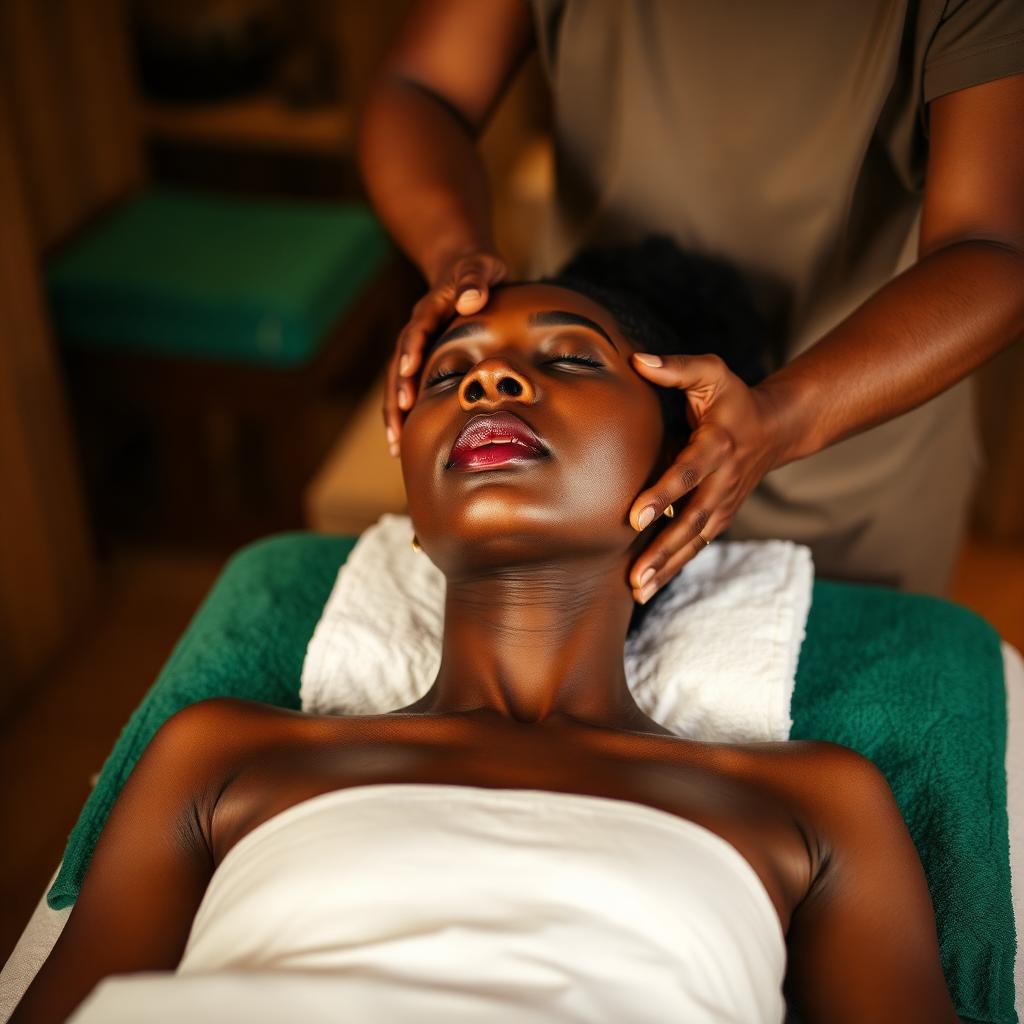
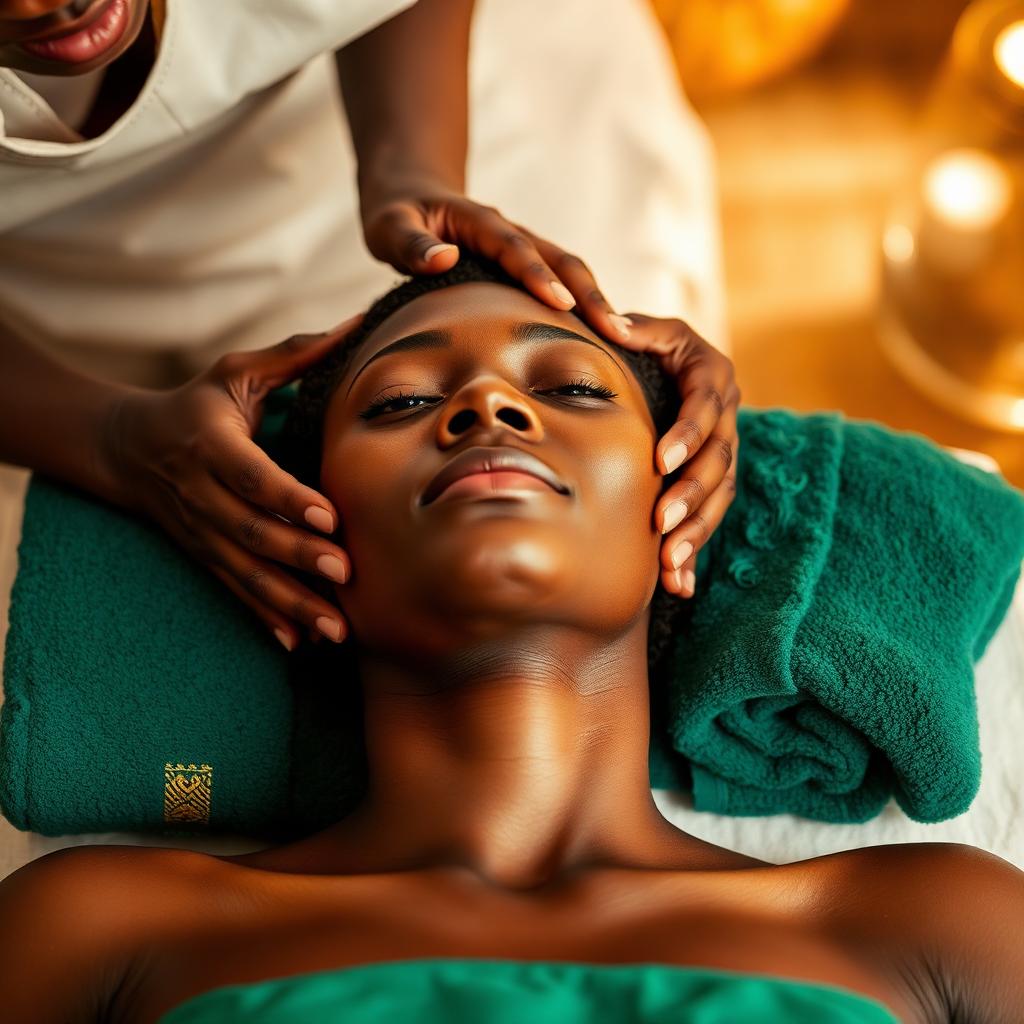
Hijama Cupping Therapy in Mombasa: Ancient Healing, Modern Relief
Hijama (wet and dry cupping) has been part of East African and Swahili healing for centuries. Here's what to expect, who it helps and how to prepare.
Welcome to the ancient world of healing, where tradition meets modern wellness in the heart of Mombasa. If you're seeking profound relief from everyday aches, stress, or simply looking to revitalize your body, you've likely heard of Hijama in Mombasa. This powerful therapy, deeply rooted in East African and Swahili culture, offers a unique path to well-being. At Royal Swahili Singo N Massage (RSSM), we honor these time-tested practices, providing a serene and professional environment for you to experience the remarkable benefits of cupping therapy.
What Is Hijama? Unveiling the Ancient Art of Cupping Therapy
Hijama, also known as cupping therapy, is a traditional healing method that has been practiced for thousands of years across various cultures, including those along the Swahili coast. It involves placing special cups on the skin to create suction. This suction draws the skin and superficial muscle layers into the cup, stimulating blood flow and promoting healing. In East Africa and along the Swahili coast, our grandmothers and revered hakims (traditional healers) instinctively understood its power, utilizing it for ailments ranging from nagging back pain and debilitating migraines to persistent fatigue and that pervasive feeling of "heaviness in the body." The underlying principle remains timeless: the suction effectively pulls stagnant blood, toxins, and lymphatic fluid toward the surface, encouraging a surge of fresh, oxygenated blood to circulate underneath. It's a natural detoxifier and a profound way to encourage the body's innate healing mechanisms.
Why Hijama Matters in Mombasa and Coastal Kenya
In a vibrant, bustling city like Mombasa, with its unique coastal climate and lifestyle, Hijama holds particular relevance. The humidity can sometimes contribute to feelings of lethargy or muscle stiffness. Many residents, whether they work in offices, drive boda-bodas, or engage in physically demanding jobs, experience chronic pain. The cultural emphasis on holistic well-being and traditional remedies within the Swahili community also makes Hijama a preferred and respected choice for health maintenance. At RSSM, we understand the local context and offer this therapy with deep respect for its heritage, making it accessible and beneficial for everyone in Tudor and Majengo.
Dry Cupping vs. Wet Cupping: Understanding Your Options
When considering cupping therapy, it’s important to distinguish between its two primary forms, both offered at Royal Swahili Singo N Massage.
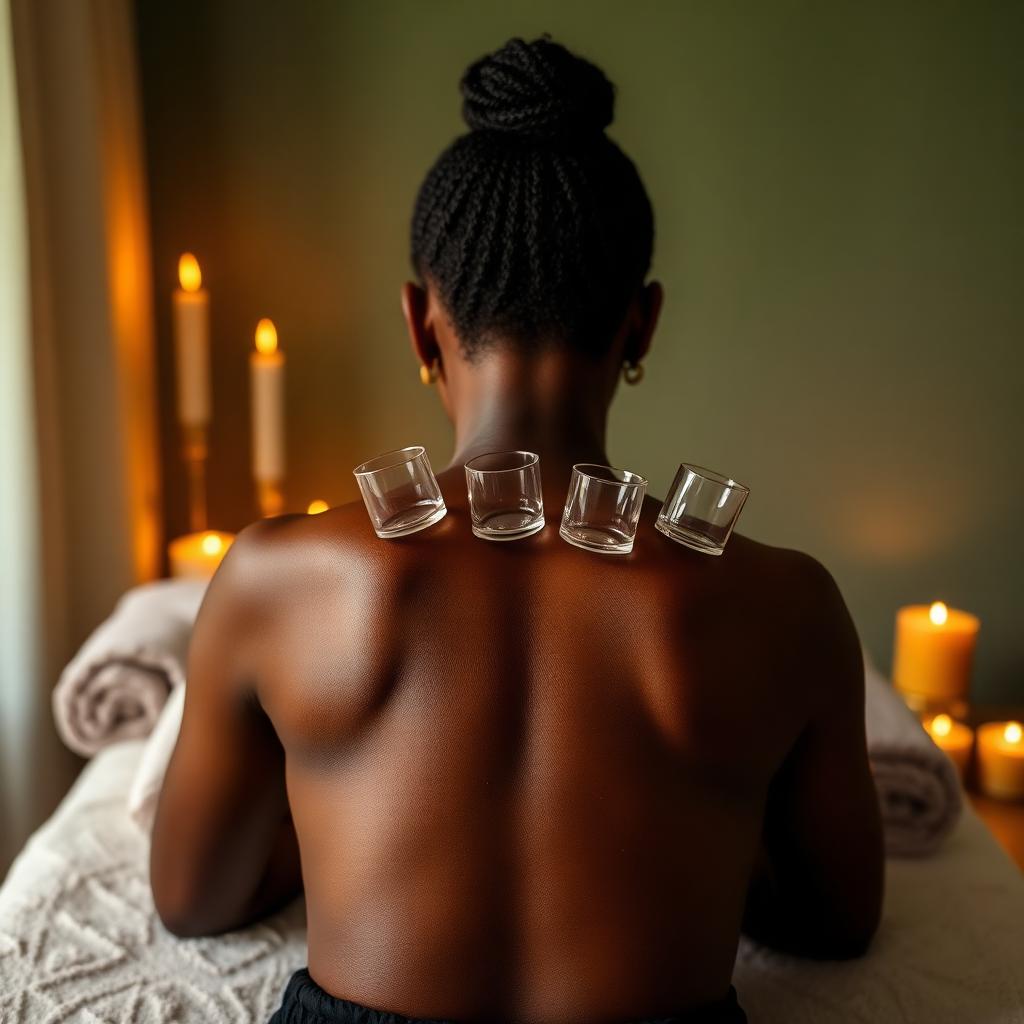
Dry cupping is the more gentle and introductory form of the therapy. It exclusively uses suction. Warmed glass or silicone cups are strategically placed on the skin, creating a vacuum that lifts the skin and underlying tissues. This action helps to relax muscles, improve local circulation, and release tension. It's often described as feeling like a deep tissue massage in reverse. While it leaves temporary circular marks – often a deep red or purple – these are a normal and expected part of the process, indicating increased blood flow to the area. Dry cupping is an excellent starting point for those new to cupping or seeking relaxation and muscle relief without any skin incision.
Wet cupping (Hijama), on the other hand, is the traditional Sunnah practice and what most of our Mombasa clients specifically ask for by name. It begins similarly to dry cupping, with suction applied. However, after a few minutes, the cups are removed, and tiny, superficial scratches are made on the skin using a sterile, single-use surgical blade. New cups are then immediately applied over these tiny incisions, drawing out a small amount of stagnant blood and interstitial fluid into the cup. This process is believed to remove toxins, metabolic waste, and old, deoxygenated blood, allowing the body to produce fresh, healthy blood. While the idea of small incisions might sound daunting, the process is carefully controlled, and the scratches are very shallow, similar to a cat scratch. The discomfort is minimal, often described as a light pinch or prick. Wet cupping is considered more potent for detoxification and addressing specific ailments.
Who Benefits Most from Hijama Therapy?
The therapeutic reach of Hijama is broad, addressing a variety of conditions and discomforts. At Royal Swahili Singo N Massage, we've seen remarkable results for a diverse clientele.
- Office workers with tight shoulders and upper back knots: Prolonged sitting and poor posture are notorious for causing chronic tension in the neck and shoulders. Hijama helps release this deep-seated tightness.
- Drivers and boda-boda riders with chronic lower back pain: The constant vibrations and extended periods of sitting can lead to persistent lower back issues, which Hijama can effectively alleviate.
- Women with tension headaches and migraines: By improving blood flow and reducing muscle tension in the neck and head area, cupping can significantly reduce the frequency and intensity of these debilitating headaches.
- Anyone recovering from long travel or heavy training: Whether you've just endured a long flight or completed an intense workout, Hijama can speed up recovery by flushing out metabolic waste and reducing muscle soreness.
- Clients who feel "blocked" after Ramadhan or fasting: After periods of dietary change or fasting, some individuals feel sluggish or "heavy." Hijama can help reset the body and encourage a feeling of lightness and revitalization.
- Individuals seeking general detoxification: Cupping is an excellent way to support the body’s natural detox processes, especially beneficial in a coastal environment where environmental factors can impact well-being.
- Those experiencing fatigue or low energy: By improving circulation and removing stagnant elements, Hijama can boost energy levels and promote a sense of overall vitality.
What to Expect in Your Hijama Session at RSSM
Your comfort and well-being are our top priorities at Royal Swahili Singo N Massage. Here’s a step-by-step guide to what you can expect during your Hijama session:
- Warm Welcome & Consultation: Upon arrival at our Tudor or Majengo branch, your therapist will greet you and briefly discuss your health concerns and goals, ensuring the treatment is tailored to your needs.
- Preparation: You'll be asked to lie face-down on a warm, comfortable massage bed. The area targeted for cupping (most commonly the back, shoulders, or legs) will be prepared.
- Cleansing & Warm-Up: The skin will be thoroughly cleaned with an antiseptic solution. To further enhance relaxation and prepare the muscles, your therapist will often perform a short, soothing Swahili Singo Massage on the area. This gentle massage helps warm the muscles and improve blood flow, making the cupping more effective.
- Cup Placement: The cups (either glass or silicone) are then carefully placed on your skin. For glass cups, a flame is briefly used inside the cup to create suction before it's quickly applied to the skin (the flame never touches your skin). For silicone cups, they are simply squeezed and placed.
- The Sensation: You will immediately feel a distinct, tight pulling sensation as the suction takes hold. This is normal and indicates the therapy is working. It should never be sharp or excruciating pain; rather, it’s a deep, pulling pressure.
- Duration: The cups typically remain on your skin for 5–15 minutes, depending on the type of cupping and your individual needs.
- Wet Cupping Specifics (if chosen): If you've opted for wet cupping, the cups will be removed after the initial suction. Your therapist will then make tiny, superficial scratches on the skin using a sterile, single-use blade. New cups are then applied over these scratches for another 5-10 minutes to draw out a small amount of blood.
- Post-Cupping Care: Once the cups are removed, the area will be cleaned again, and an antiseptic or soothing oil may be applied.
- Marks: You will notice circular marks on your skin where the cups were. These range in color from light pink to deep red or purple. These are not bruises in the traditional sense but rather an indication of where stagnant blood and toxins have been drawn to the surface. They are a normal, expected, and temporary part of the therapy, fading within 3–10 days.
How to Prepare for Your Hijama Session
To maximize the benefits of your Hijama in Mombasa session and ensure a comfortable experience, a little preparation goes a long way.
- Eat Lightly: Consume a light meal 2–3 hours before your appointment. Avoid eating immediately before, as a full stomach can sometimes cause discomfort during the session.
- Hydrate: Drink plenty of water the day before and the morning of your session. Good hydration helps your body's circulatory system and aids in the detoxification process.
- Avoid Strenuous Activity: Refrain from heavy exercise or intense physical activity 24 hours before and after your session. Allow your body to conserve energy for healing.
- Wear Loose Clothing: Opt for loose-fitting clothing that you don't mind removing partially. This makes it easier for the therapist to access the treatment area and for you to dress comfortably afterward.
- Communicate Your Health History: It is crucial to inform your therapist if you are pregnant, on blood thinners, diabetic, have a bleeding disorder, or any other significant medical conditions. This allows us to tailor the treatment or advise if it's unsuitable.
- Avoid Alcohol & Caffeine: For at least 24 hours prior, avoid alcohol and excessive caffeine, as these can dehydrate you and potentially interfere with the body's response to therapy.
Aftercare for Optimal Results
Proper aftercare is essential for maximizing the benefits of your Hijama session and promoting quick healing.
- Keep Warm and Covered: For at least 24 hours after wet cupping, keep the treated area covered and warm. Avoid exposure to cold air or drafts.
- Avoid Water Immersion: Do not take cold showers, go swimming, or soak in baths for at least 24 hours. A quick, warm shower is generally fine, but avoid scrubbing the treated area vigorously.
- No Strenuous Exercise: Give your body time to recover. Avoid the gym, heavy lifting, or intense physical activity for at least 24 hours.
- Stay Hydrated: Continue to drink extra water throughout the day after your session. This helps flush out toxins and supports recovery.
- Gentle Care: The marks left by the cups are not bruises; they are signs that the therapy has worked to draw stagnant blood and toxins to the surface. They will fade naturally. Avoid picking at or aggressively rubbing the areas.
- Listen to Your Body: You might feel a little tired or lightheaded immediately after the session. This is normal. Rest if you need to.
Common Misconceptions and Mistakes
While Hijama is a safe and effective therapy, certain misconceptions or common mistakes can hinder its benefits.
- Expecting Instant Miracles: While many experience immediate relief, Hijama is not a one-time cure-all, especially for chronic conditions. Consistent sessions yield better long-term results.
- Ignoring Aftercare Advice: Skipping hydration, engaging in heavy exercise, or exposing the treated area to cold too soon can reduce effectiveness and potentially slow healing.
- Not Communicating Health Issues: Failing to inform your therapist about medications (especially blood thinners) or health conditions can lead to complications or contraindications.
- Fearing the Marks: The circular marks are a natural and expected outcome, not a sign of injury. Their color indicates the level of stagnation and will fade.
- Going to Untrained Practitioners: Always choose a reputable spa or clinic with trained and certified therapists to ensure sterile practices and proper technique.
Frequently Asked Questions about Hijama in Mombasa
Does hijama hurt?
The suction from the cups feels like a strong, tight pull but is generally not painful. For wet cupping, the tiny scratches feel like a very light pinch or prick, often described as less painful than a mosquito bite. Our therapists are trained to ensure your comfort.
How often should I do hijama?
The frequency depends on your individual needs and health goals. Most people opt for a session every 4–8 weeks for general well-being. Athletes or those with chronic pain may benefit from monthly sessions. Your therapist can recommend a personalized schedule.
Is hijama safe during periods or pregnancy?
No, we do not perform wet cupping during menstruation or pregnancy due to the body's altered state. However, gentle dry cupping on specific areas like the shoulders or back might be considered under certain circumstances and always after a thorough consultation. Please always inform us of your condition.
What are the marks left by cupping?
The circular marks, ranging from pink to deep purple, are not bruises. They are a result of increased blood flow and the drawing of stagnant blood and toxins to the surface. They indicate where the therapy has worked and typically fade completely within 3–10 days.
Can I shower after hijama?
It's generally recommended to avoid cold showers and long baths for at least 24 hours after wet cupping. A quick, warm shower is usually fine, but avoid scrubbing the treated area. For dry cupping, you can typically shower sooner.
Experience Ancient Healing in Modern Mombasa
At Royal Swahili Singo N Massage, we are dedicated to bringing the profound benefits of traditional therapies like Hijama to our community in Mombasa. Our skilled and compassionate therapists at both our Tudor (Ladies) and Majengo (Gents) branches are committed to providing a serene, hygienic, and authentic experience.
Whether you're seeking relief from chronic pain, a natural way to detoxify, or simply a deep sense of revitalization, Hijama in Mombasa at RSSM offers a path to holistic well-being. RSSM NI NYUMBANI – your home for healing and relaxation.
Ready to experience the revitalizing power of Hijama? Book your session today at our Tudor (Ladies) or Majengo (Gents) branch. Visit our full menu to explore all our services or reach out directly on WhatsApp for personalized assistance. We look forward to welcoming you!