Coconut Oil Hair Treatments for African Coastal Hair (The Right Way)
Coconut oil is everywhere in Mombasa — but most people use it wrong. Here's how to actually turn it into a hair-transforming treatment.
Coconut oil is a beloved staple in many coastal Kenyan households, renowned for its versatility from cooking to skincare. However, when it comes to hair care, especially for African hair, many people in Mombasa and beyond aren't harnessing its full potential. This guide will walk you through the right way to use a coconut oil hair treatment to transform your locks, focusing on techniques and insights perfect for our unique coastal climate and hair textures. At Royal Swahili Singo N Massage (RSSM), we understand the nuances of natural hair care, and we're here to share our secrets.
Not All Coconut Oil Is Equal: Choosing the Right Kind for Your Hair
The clear, refined liquid coconut oil commonly found in supermarkets is excellent for culinary uses, but for truly effective hair treatments, you need to be more discerning. What you're looking for is cold-pressed, unrefined coconut oil. This type is cloudy-white, possesses a distinct, slightly sweet coconut aroma, and is typically sold in glass jars. You can often find high-quality versions at local markets like Mackinnon Market or from trusted roadside vendors throughout coastal towns. The crucial difference lies in its processing: unrefined coconut oil retains its natural nutrients and molecular structure, allowing it to deeply penetrate the hair shaft rather than just coating the surface. This penetration is key to unlocking its full benefits.
Why Quality Matters in Mombasa's Climate
In Mombasa's humid, salty air, hair can quickly become dry and brittle. Using the right kind of coconut oil ensures you're providing your hair with the most potent, nourishing treatment possible. The natural fatty acids in cold-pressed oil are better preserved, making it a superior choice for combating the environmental stressors unique to our coastal environment.
Why Coconut Oil Works Wonders on African Hair Textures
Coconut oil stands out among many natural oils because of its unique molecular structure. It's one of the very few oils with molecules small enough to actually move inside the hair strand, rather than merely sitting on the surface. This deep penetration is particularly beneficial for tightly coiled hair types, such as 4A–4C, which are prone to rapid moisture loss.
For African hair, this means several profound advantages:
- Reduced Breakage: By strengthening the hair from within and preventing protein loss, coconut oil significantly reduces breakage, promoting healthier, longer hair.
- Enhanced Slip for Detangling: Its lubricating properties make detangling much easier, minimizing stress on fragile strands and preventing knots.
- Increased Shine and Definition: Hair treated with coconut oil often exhibits a healthier sheen and improved definition in styles like twist-outs and braid-outs.
- Protection Against Environmental Damage: It forms a protective barrier, safeguarding hair from the elements, including the harsh sun and humidity prevalent in coastal Kenya.
The Hot Oil Treatment: Your Weekly Hair Ritual
A weekly hot oil treatment is a game-changer for maintaining healthy, moisturized hair. This method maximizes the oil's penetration and benefits.
Step-by-Step Hot Oil Treatment Guide:
- Prepare Your Hair: Start with clean, damp hair. This allows the oil to be absorbed more effectively. Gently section your hair into 4 manageable parts using clips or hair ties.
- Warm the Oil (Safely): Measure out 3–4 tablespoons of cold-pressed, unrefined coconut oil. Place the jar or a small cup containing the oil into a bowl of hot (but not boiling) water. Let it sit for a few minutes until the oil is liquid and pleasantly warm. Never microwave coconut oil for hair, as this can degrade its beneficial properties and create uneven hot spots.
- Apply with Care: Systematically apply the warmed oil to your scalp, massaging it in gently to stimulate blood circulation. Then, work the oil down the length of each hair strand, paying extra attention to the ends, which are often the oldest and most fragile parts of your hair.
- Deep Conditioning: Once your hair is thoroughly coated, cover your head with a plastic shower cap. For an extra boost of warmth and penetration, wrap a warm, damp towel around the plastic cap. Leave the treatment on for 30–45 minutes.
- Rinse and Cleanse: After the treatment, shampoo your hair twice with a gentle, sulphate-free cleanser to ensure all excess oil is removed without stripping your hair. Follow up with a light conditioner if desired.
Pre-Poo Protection: Guarding Against Stripping
The "pre-poo" method is an essential step, especially if your hair tends to feel dry or "straw-like" after shampooing.
How to Pre-Poo with Coconut Oil:
Before you even step into the shower to shampoo, coat your dry hair thoroughly with coconut oil. Leave it on for at least 20 minutes. This protective layer acts as a barrier, preventing the shampoo from stripping too much of your hair's natural moisture and vital oils. It's a simple yet incredibly effective technique to maintain your hair's softness and elasticity.
Addressing Protein-Sensitive Hair: Finding Your Balance
While coconut oil is a powerhouse for many, some individuals with low-porosity hair may find it causes their hair to feel stiff, brittle, or "protein-sensitive." This happens because coconut oil can sometimes mimic the effects of a protein treatment due to its ability to reduce protein loss from the hair.
If you notice this reaction:
- Alternate Oils: Don't abandon hot oil treatments entirely! Instead, try alternating coconut oil with other nourishing oils like baobab oil (a local favorite) or avocado oil, which offer different fatty acid profiles.
- Professional Consultation: For a truly customized approach, consider visiting Royal Swahili Singo N Massage. Our professional hair spa treatments involve expertly mixing various oils to precisely match your hair's porosity and specific needs, ensuring optimal results without any adverse reactions.
Experience the Royal Treatment at Our Spa
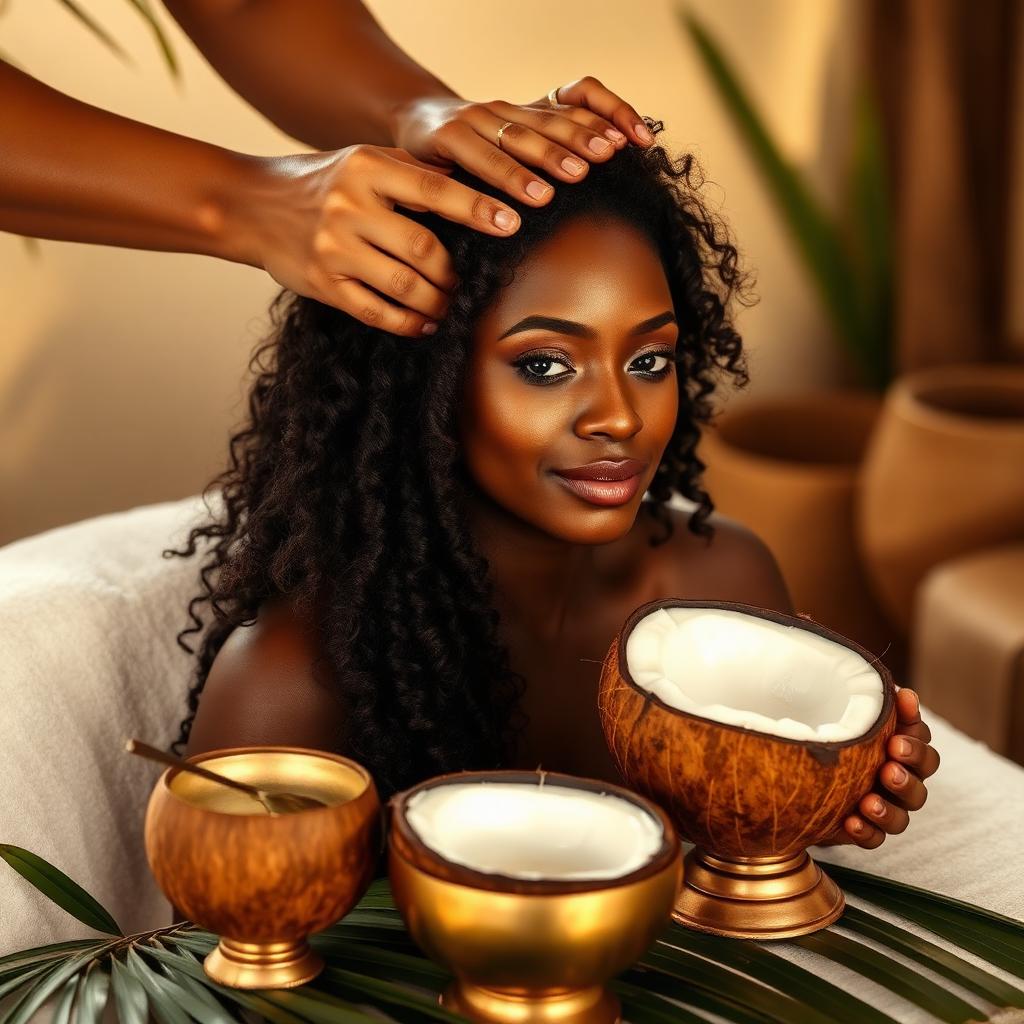
For an unparalleled hair rejuvenation experience, indulge in our exclusive coconut deep-conditioning treatment at Royal Swahili Singo N Massage. This luxurious service is designed to provide maximum benefits and includes:
- Relaxing Scalp Massage: To stimulate blood flow, promote hair growth, and melt away stress.
- Warm Coconut Steam: To open hair cuticles, allowing for deeper penetration of the nourishing coconut oil.
- Nourishing Leave-In Seal: To lock in moisture and protect your newly revitalized strands.
This treatment is perfect before a special event, or as a restorative therapy after months of protective styles like tight braids or weaves. Let our skilled therapists pamper your hair back to its glorious best.
Common Mistakes to Avoid with Coconut Oil Hair Treatments
To get the most out of your coconut oil, avoid these common pitfalls:
- Using Too Much: More isn't always better. Excess oil can weigh down your hair, make it greasy, and be difficult to rinse out. Start with a small amount (a teaspoon for short hair, a tablespoon for longer hair) and adjust as needed.
- Not Warming the Oil: Cold, solid coconut oil won't penetrate as effectively. Gently warming it (as described in the hot oil treatment section) is crucial.
- Applying to Dirty Hair: For deep treatment, applying to clean hair ensures the oil can absorb without being blocked by product buildup or dirt. For pre-poo, dry hair is fine.
- Not Rinsing Thoroughly: Leftover oil can attract dirt and make hair look greasy. Ensure you shampoo twice with a good sulphate-free cleanser.
- Using Refined Oil: As discussed, refined coconut oil lacks the potency of its unrefined counterpart for deep hair conditioning.
Frequently Asked Questions About Coconut Oil for Hair
Can I sleep with coconut oil in my hair for an overnight treatment?
Yes, you can! However, it's crucial to protect your bedding. Wrap your hair thoroughly with a satin or silk scarf or bonnet. Cotton pillowcases can absorb moisture from your hair and may also get stained by the oil.
How much coconut oil is truly enough?
If your hair feels weighed-down, greasy, or flat after treatment, you're likely using too much. A good starting point is about a teaspoon for short to medium hair, or up to a tablespoon for long, thick hair. Adjust based on your hair's length and density.
Is coconut oil beneficial for the scalp?
Absolutely! When massaged gently into the scalp, coconut oil can help moisturize dry scalps, reduce flakiness, and even provide mild antibacterial and antifungal properties. Regular scalp massages also stimulate blood circulation, which can promote healthier hair growth. For more benefits, see our scalp massage guide.
How often should I use coconut oil on my hair?
For hot oil treatments, once a week is generally ideal. For pre-poo treatments, you can use it every time you shampoo. For light daily moisture, a tiny amount rubbed between your palms and applied to ends can be beneficial, but be careful not to overdo it.
Will coconut oil make my hair grow faster?
While coconut oil doesn't directly accelerate hair growth, its ability to reduce breakage, strengthen strands, and improve scalp health can lead to healthier hair that retains its length better, giving the appearance of faster growth.
RSSM NI NYUMBANI: Your Hair Transformation Awaits
At Royal Swahili Singo N Massage, we believe in the power of natural ingredients and expert care to bring out the best in your hair. Whether you're looking to master your home coconut oil routine or indulge in a professional treatment, we are here to guide you. Our knowledgeable therapists understand the unique needs of African hair in the coastal climate of Mombasa.
Ready to give your hair the royal treatment it deserves? Book your appointment today at our Tudor (Ladies) or Majengo (Gents) branch. Let us help you achieve healthy, vibrant hair that glows.
See our full menu of services or reach out to us directly on WhatsApp for inquiries or bookings. We look forward to welcoming you!