Bridal Henna in Swahili Culture: Patterns, Meanings & Modern Trends
From hidden initials to protective symbols, bridal henna carries centuries of coastal meaning. Here's what to ask for.
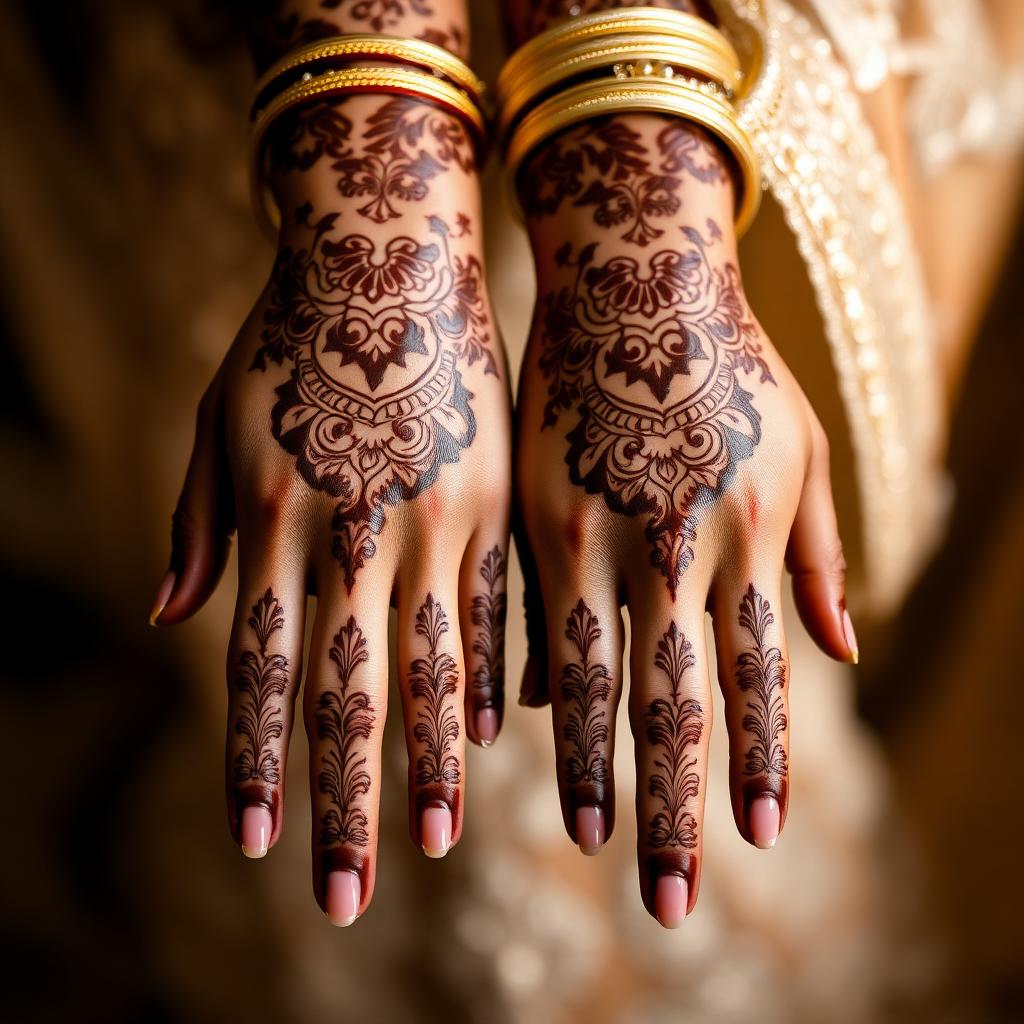
A Swahili bride's henna is a language — every curve, dot and blank space says something. If you're planning a coastal wedding, understanding the symbols helps you choose designs that mean what you actually want them to mean, ensuring your bridal henna in Mombasa reflects your deepest desires and cultural heritage.
The Enduring Allure of Bridal Henna in Swahili Culture
The tradition of bridal henna, or mehndi, is deeply woven into the fabric of Swahili culture, especially in coastal regions like Mombasa. More than just an adornment, it’s a ceremonial art form, a blessing, and a celebration of womanhood as a bride transitions into married life. From the intricate patterns gracing a bride's hands and feet to the hidden initials and symbolic motifs, every element of Swahili henna designs carries profound meaning and centuries of tradition. This ancient practice beautifies the bride and serves as a protective charm, inviting good fortune, fertility, and joy into her new journey. For those seeking authentic Kenyan bridal mehndi, understanding these nuances is key to selecting a design that truly resonates.
The Traditional Symbols and Their Meanings in Swahili Henna Designs
Swahili bridal henna is rich with symbolism, each motif carefully chosen to bestow blessings and convey messages. Understanding these traditional symbols is crucial for any bride or henna artist in Mombasa looking to create a meaningful design.
- Peacock — A majestic bird symbolizing beauty, grace, and pride. It represents the bride's elegance and her readiness to embark on a new chapter.
- Lotus / Flower Motifs — Universally recognized symbols of purity, new beginnings, and enlightenment. They signify the unfolding of a new life and the blossoming of love.
- Vine Trails — Intricate winding patterns that represent long life, growth, and the enduring devotion between families. They symbolize the intertwining of two lives and the strength of their bond.
- Paisley (Mango) — A teardrop-shaped motif, often associated with fertility, abundance, and the sweetness of marriage. It is believed to bring good luck and progeny.
- Sun & Moon — Celestial bodies representing balance, harmony, and the complementary nature of husband and wife. They symbolize the perfect union and eternal love.
- Hidden Groom's Initials — A playful and intimate tradition where the groom's initials are subtly incorporated into the intricate design. It's a delightful game for the wedding night, as the groom must find his initials, signifying his attention to detail and love for his bride.
- Filled Palms — When the bride's palms are densely covered with henna, it symbolizes the depth of her love and commitment to her future husband.
- Blank Centre — Deliberately leaving a blank space in the centre of certain designs is a spiritual gesture, leaving room for God's blessings and divine grace to fill the bride's life.
Modern Swahili Bridal Styles: Trends in Bridal Henna Mombasa
While rooted in tradition, bridal henna styles in Mombasa have also evolved, incorporating modern aesthetics while retaining their cultural essence. Today's brides have a splendid array of choices, from classic full coverage to contemporary minimalist designs.
- Full Arm Sleeve — This remains the most requested style, extending from the fingertips up to the elbow. It offers extensive canvas for intricate patterns and bold statements, perfect for the bride who wants to make a grand impression.
- Feet + Calf — Ideal for brides wearing lehenga or other traditional attire that showcases their ankles and lower legs. This style beautifully complements the bridal outfit and adds an extra layer of elegance.
- Minimal Wrist Band — For the modern bride who prefers a subtle yet elegant touch, a delicate henna band around the wrist offers a chic alternative, perfect for a contemporary wedding henna Kenya look.
- Front + Back of Hands — Providing heavier, more elaborate coverage, this style ensures the bride's hands look stunning from every angle, especially for wedding-day photography.
- Fusion Khaleeji — Inspired by Gulf region designs, this style features bold, bigger patterns with more negative space. It's a striking choice that blends traditional elements with a contemporary flair, offering a unique look for a Mombasa bride.
When to Book Your Wedding Henna Kenya
Timing is crucial for achieving the perfect bridal henna. Planning ahead ensures your designs are fresh, vibrant, and ready for your special day.
- Full Bridal Application: This should ideally be done 24–48 hours before the nikah (wedding ceremony). This allows sufficient time for the henna to develop its darkest, most beautiful stain.
- Trial Session: Book a trial session 2–4 weeks before your wedding. This allows you to experiment with different designs, confirm your preferences, and ensure you're comfortable with the chosen henna artist in Mombasa.
- Bridesmaids and Family: Henna for bridesmaids and other family members can be applied on the same day as the bride's application or the day before, depending on the number of people and the complexity of the designs.
Achieving the Darkest Stain: Tips from a Henna Artist Mombasa
The richness of the henna stain is highly prized, as a dark, deep colour is believed to symbolize the depth of love in the marriage. Here's how to ensure your bridal henna achieves its maximum potential:
- Preparation is Key: On the morning of your application, skip lotions, oils, and any heavy moisturisers. Clean, dry skin allows the henna paste to adhere better.
- Leave Paste On: The longer the paste remains on your skin, the darker the stain will be. Aim for a minimum of 6–8 hours, or ideally, overnight.
- Scrape, Don't Wash: Once the paste is dry, gently scrape it off using the back of a spoon or your fingernail. Avoid washing it off with water, as this can hinder the staining process.
- Warmth is Your Friend: After scraping, gently warm the design over a clove pan or a warm, dry cloth for a minute. The heat helps to deepen the colour.
- Avoid Water: For the first 12 hours after removing the paste, try to avoid contact with water on the hennaed areas. This allows the stain to fully oxidize and darken.
- Seal the Deal: Before bed, apply a light coat of Vicks VapoRub or a specialized henna oil to the design. This helps to protect the stain and encourage further darkening overnight.
Aftercare for Wedding-Day Photography and Lasting Beauty
Caring for your henna after application is just as important as the application itself, especially when considering those precious wedding photos.
- Colour Deepens Over Time: Remember that henna colour deepens over 48 hours. For a Saturday wedding, applying your henna on Thursday is ideal to achieve its peak richness by your big day.
- Protect from Chemicals: Avoid chlorine, prolonged exposure to seawater, and very hot showers until after your wedding. These can strip the natural oils from your skin and lighten the stain.
- Moisturise Carefully: Keep your skin hydrated by moisturizing around the henna design, rather than directly on it, especially in the first few days. This prevents flaking and helps preserve the stain.
Why Bridal Henna Matters in Mombasa and Coastal Kenya
In the humid, vibrant atmosphere of Mombasa, bridal henna holds special significance. The coastal climate often means lighter clothing, making the intricate designs on hands and feet even more prominent. It's a visual celebration deeply rooted in Swahili traditions, where centuries-old practices blend seamlessly with contemporary life. For a bride in Tudor or Majengo, her henna is not just an accessory; it's a statement of identity, a connection to her ancestors, and a symbol of the blessings she carries into her marriage. The art form thrives here, with skilled henna artists in Mombasa meticulously crafting designs that reflect both personal stories and collective heritage. It's an integral part of the wedding narrative, cherished by families and admired by communities.
Common Mistakes to Avoid with Your Bridal Henna
Ensuring your bridal henna is perfect involves avoiding a few common pitfalls that can affect its appearance and longevity.
- Ignoring a Patch Test: If you have sensitive skin, always request a small patch test a few weeks before your full application.
- Using "Black Henna": As mentioned, black henna contains harmful chemicals. Always verify your henna artist uses natural, pure henna.
- Applying Lotions/Oils Before: This creates a barrier, preventing the henna dye from properly penetrating the skin.
- Washing Off the Paste: Scraping is essential; washing can dilute the stain.
- Not Enough Drying Time: Rushing the process and removing the paste too early will result in a lighter, less vibrant stain.
- Excessive Water Exposure: Especially in the first 24-48 hours, water can lighten the developing stain.
Frequently Asked Questions About Bridal Henna
How long does bridal henna last?
Typically, bridal henna lasts 2–3 weeks on hands, and up to 4 weeks on feet, depending on skin type, aftercare, and exposure to water or friction.
Is black henna safe?
No, absolutely not. Traditional, natural henna produces a reddish-brown stain. "Black henna" often contains para-phenylenediamine (PPD), a chemical that can cause severe allergic reactions, permanent scarring, and chemical burns. At Royal Swahili Singo N Massage, we only use pure, safe, and natural henna.
Can I get henna if I'm not the bride?
Absolutely! Party henna for guests, bridesmaids, or for any special occasion is one of our most-booked services. It's a wonderful way to celebrate and adorn yourself.
Where do you offer bridal henna services?
We offer exquisite bridal henna services at our Tudor branch in Mombasa. Given the demand, especially during peak wedding season, we recommend booking your appointment at least 4 weeks in advance to secure your preferred date and time.
What should I wear for my henna application?
Wear comfortable, loose clothing that allows easy access to the areas being adorned (hands, arms, feet). It's also advisable to wear something you don't mind getting a tiny bit of henna paste on, just in case.
Your Journey to Beautiful Bridal Henna Starts Here
At Royal Swahili Singo N Massage, we understand the significance of bridal henna in Swahili culture. Our skilled henna artists in Mombasa are dedicated to crafting intricate, meaningful designs that will make you feel radiant on your special day. Whether you envision traditional symbols or modern fusion styles, we ensure a safe, beautiful, and authentic experience.
RSSM NI NYUMBANI – we invite you to our home, where tradition meets luxury.
Book your bridal henna consultation or application today at our Tudor or Majengo branch in Mombasa. Contact us via WhatsApp to schedule your appointment and let us help you create unforgettable memories with stunning Kenyan bridal mehndi.