Moroccan Hammam Experience in Mombasa: What to Expect
Living along the vibrant Mombasa coastline means enjoying warm ocean breezes, sun-kissed days, and rich Swahili culture, but constant humidity and salt air can leave your skin feeling heavy, congested, and tired. If you
Living along the vibrant Mombasa coastline means enjoying warm ocean breezes, sun-kissed days, and rich Swahili culture, but constant humidity and salt air can leave your skin feeling heavy, congested, and tired. If you are searching for the ultimate deep-cleansing ritual to clear your pores and revive your natural radiance, the centuries-old Moroccan hammam offers an unparalleled escape. At Royal Swahili Singo N Massage, we bring this authentic North African bathing tradition right to your doorstep in Tudor and Majengo, seamlessly blending oriental spa luxury with genuine coastal hospitality.
What is a Moroccan Hammam?
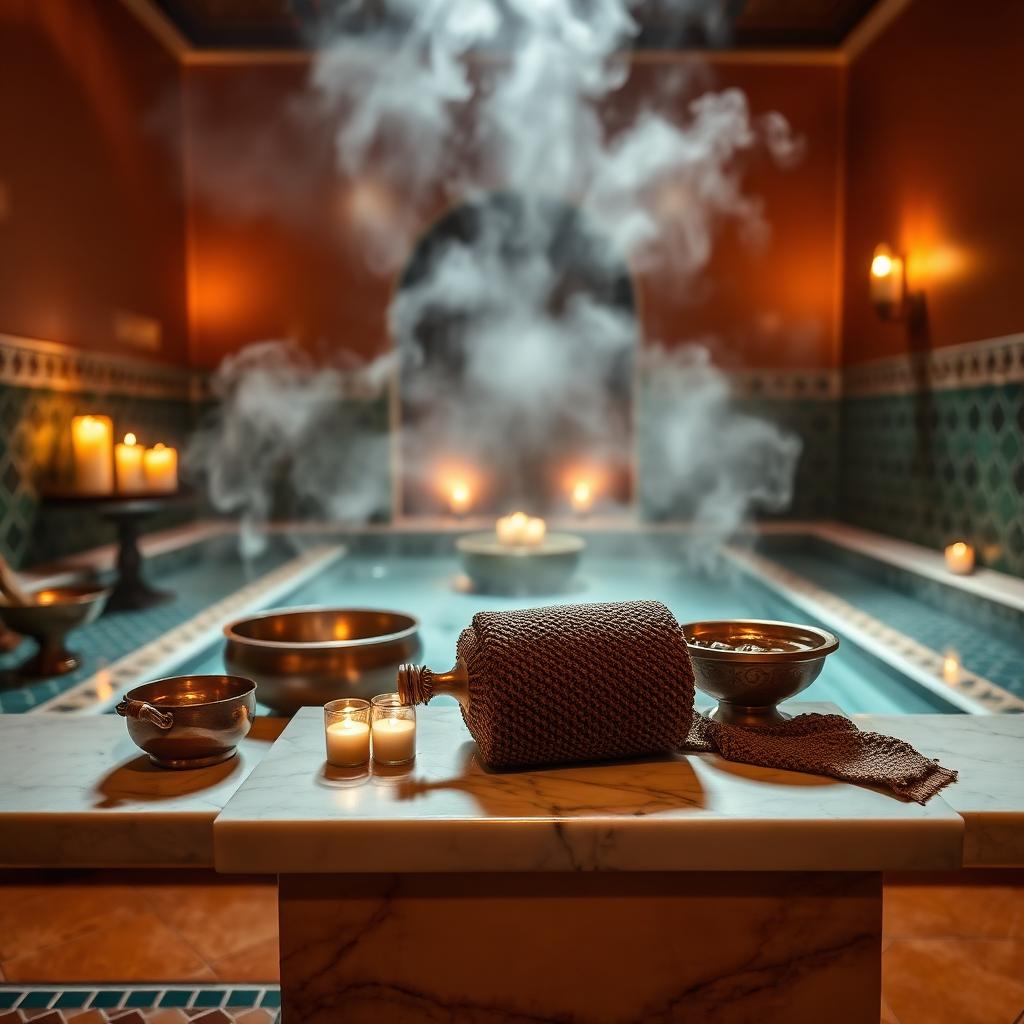
A Moroccan hammam is a traditional steam cleansing ritual designed to purify the skin, relax the body, and quiet the mind. Rooted in ancient Roman and Byzantine bathhouse culture, this steam-led treatment has been refined over centuries across North Africa into a celebrated art form. Unlike a standard shower or simple bath, a true Moroccan hammam relies on a precise sequence of moist steam heat, authentic eucalyptus-infused black soap (Savon Noir), and deep manual exfoliation using a specialized textured glove known as a kessa.
In coastal Mombasa, where ocean salt, humidity, and daily dust tend to cling to the skin, the hammam works in perfect synergy with our climate. Thermal steam opens up sluggish pores, allowing pure botanical ingredients to break down deep-seated grime and dead skin cells. The result is far more than just clean skin—it is a profound feeling of lightness, clarity, and physical renewal that harmonizes effortlessly with the relaxed pace of coastal life.
Key Benefits for Your Skin and Body
Investing in a Moroccan hammam treatment at a premier Mombasa spa like RSSM yields immediate, visible results alongside long-term wellness benefits:
- Deep Exfoliation and Dead Skin Removal: The powerful combination of organic black soap and the kessa glove sheds built-up layers of dull, dry skin, revealing a silky, glowing surface beneath.
- Unclogging Coastal Pore Buildup: Constant sweating, sun care products, and salty sea air create a stubborn film on the body. Hammam steam thoroughly melts away impurities trapped beneath the epidermis.
- Boosted Blood Circulation: Vigorous, rhythmic body scrub strokes stimulate micro-circulation and lymphatic drainage, helping your body eliminate retained fluids and dullness.
- Enhanced Moisture Absorption: By clearing away dead surface cells, your skin becomes dramatically more receptive to rich body oils, moisturizing lotions, and natural Swahili pastes.
- Total Muscle and Stress Relief: Thermal heat loosens tight shoulders, releases physical tension, and calms an overactive mind after a demanding workweek.
What to Expect During Your Hammam Ritual at RSSM
Stepping into Royal Swahili Singo N Massage for a hammam means entering a tranquil, beautifully appointed sanctuary. Whether you visit our serene Tudor location or our bustling Majengo branch, here is what your step-by-step transformation looks like:
1. Warm Steam Immersion
Your session begins in a private, heated steam room. As warm, herbal-scented steam envelops your body, your temperature rises naturally. Your pores open wide, softening dry outer skin layer by layer in preparation for deep exfoliation.
2. Application of Moroccan Black Soap (Savon Noir)
Once your skin is supple, your therapist smooths a generous layer of traditional Savon Noir over your entire body. Made from crushed black olives, olive oil, and organic eucalyptus extract, this velvety dark paste nourishes the skin with antioxidants while gently softening stubborn dead tissue. The soap rests on your skin for several minutes to maximize its purifying effects.
3. The Kessa Glove Exfoliation
After a warm water rinse clears away the black soap, your therapist uses a firm, damp kessa glove. Working in sweeping, intentional motions across your arms, back, legs, and torso, they lift away loosened skin cells. It is completely normal—and deeply satisfying—to watch tiny dark rolls of old skin wash away, uncovering completely fresh skin underneath.
4. Purification and Hydrating Finish
Your body receives a soothing rinse with clear warm water to remove all traces of exfoliation. To seal in moisture, a feather-light hydrating oil or mist is applied, leaving your skin soft to the touch, visibly brighter, and delicately fragranced.
Book at RSSM Tudor or Majengo via WhatsApp — RSSM ni nyumbani.
Aftercare and At-Home Tips for Coastal Skin
To prolong that luminous hammam glow in Mombasa’s warm climate, keep these practical aftercare habits in mind:
- Hydrate Constantly: Drink plenty of fresh water or cooling coconut water (madafu) after your session to replenish fluids lost during steam therapy.
- Moisturize While Damp: Apply light, non-comedogenic oils or pure aloe vera gel right after bathing to lock in moisture without blocking your clean, open pores.
- Apply Sun Protection: Freshly exfoliated skin is delicate and sensitive to ultraviolet light. Always apply a generous layer of broad-spectrum SPF 30+ sunscreen before stepping into the Mombasa sun.
- Avoid Harsh Soaps for 48 Hours: Give your skin barrier time to rest by skipping abrasive body scrubs, loofahs, or heavily perfumed washes for a day or two.
Who Should (and Shouldn't) Try a Moroccan Hammam
The Moroccan hammam is a safe, deeply rewarding wellness ritual suitable for most men and women. It is particularly beneficial for:
- Mombasa locals dealing with skin congestion, rough elbows, or dullness from heat and humidity.
- Travelers returning from safari dusty trails or long beach days who need a total body reset.
- Brides, grooms, and anyone preparing for special coastal celebrations who want glowing skin.
When to Exercise Caution: While extremely beneficial, thermal steam and active exfoliation may not be suitable under certain health conditions. You should delay or avoid a hammam if you have:
- Open wounds, active sunburns, or severe inflammatory skin conditions.
- Uncontrolled high blood pressure or heart conditions sensitive to heat.
- First-trimester pregnancy (consult your physician regarding heat treatments during later stages).
- Active eczema or psoriasis flare-ups on large areas of the body.
Frequently Asked Questions
Q: How often should I get a Moroccan hammam body scrub?
For optimal skin health, scheduling a session once every three to four weeks is ideal. This aligns with your skin’s natural cellular turnover cycle, preventing clogged pores without over-sensitizing your body.
Q: What should I wear during a Moroccan hammam session at RSSM?
Your comfort and modesty are our highest priorities. Guests typically wear disposable underwear provided by our spa, swimwear, or cotton briefs. Our professional therapists maintain careful draping throughout the entire treatment.
Q: Is a Moroccan hammam suitable for men as well as women?
Yes! Men across Mombasa love the hammam for clearing sweat buildup, releasing deep muscle tension, and refreshing dry skin after workouts or busy workdays. We offer welcoming, tailored services for both men and women.
Q: How is a Moroccan hammam different from a Swahili Singo scrub?
While both are historic beauty rituals, the Moroccan hammam uses steam, olive-based black soap, and a kessa glove for deep physical exfoliation. Swahili Singo is a traditional coastal bridal scrub using fragrant pastes made from fresh jasmine, sandalwood, ylang-ylang, and coconut. At RSSM, you can even combine both for the ultimate coastal spa day.
Q: Will the kessa exfoliation hurt or cause skin redness?
The kessa scrub is firm and energetic, but it should never feel painful. Your therapist adjusts pressure based on your personal skin sensitivity. A temporary, light flush immediately after the treatment is normal and signals healthy blood flow to your skin.
Ready to shed dry skin and experience coastal luxury at its finest? Book at RSSM Tudor or Majengo via WhatsApp — RSSM ni nyumbani.