Henna in Kenya: Traditions, Meanings and Modern Designs from the Swahili Coast
From weddings to Eid to a Friday evening at home, henna has always been part of Swahili life. Here's the story behind the designs — and what's trending in Mombasa right now.
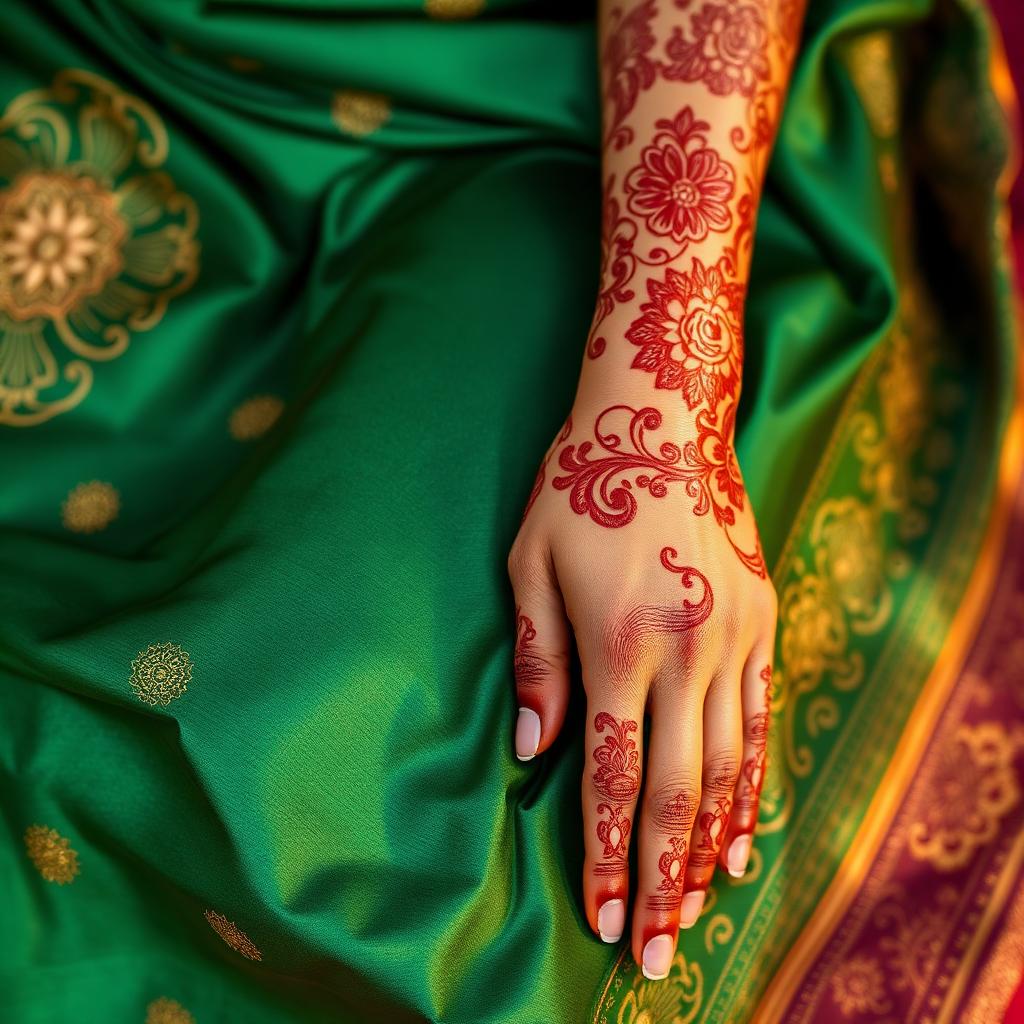
On the Swahili coast, henna is a language. Applied to the hands and feet, it says bride, celebrating, taken care of, belonging. It's a vibrant expression deeply woven into the fabric of life in Mombasa and across coastal Kenya, signifying joy, beauty, and tradition.
At Royal Swahili Singo N Massage (RSSM), we treat henna with the respect it deserves — as both an ancient tradition and a modern art form. Our skilled artists in Tudor and Majengo, Mombasa, are dedicated to providing exquisite henna designs Kenya has to offer, using only the purest, natural paste to ensure a deep, lasting stain and a beautiful experience.
The Cultural Roots and Enduring Significance of Swahili Henna
Henna, locally known as mehndi, arrived on the Kenyan coast centuries ago via the bustling Indian Ocean trade routes. This rich history saw Persian, Arab, and Indian influences blend seamlessly with local Swahili styles, creating something truly distinctive: bolder, more geometric patterns, often paired with the luxuriant oud fragrance and nourishing singo scrubs. This fusion reflects the diverse heritage of the Swahili people and explains why henna Mombasa is so unique.
Today, henna remains a cherished fixture in many aspects of coastal life. Its temporary beauty marks significant milestones and everyday joys:
- Weddings (Harusi): The bride's henna night, known as usiku wa mehndi, is a grand celebration in itself, a joyous occasion where female relatives and friends gather to adorn the bride with intricate designs, symbolizing blessings, fertility, and marital happiness.
- Eid Celebrations: Many women and children eagerly get fresh designs for both Eid al-Fitr and Eid al-Adha, making Eid henna Mombasa a popular tradition that adds to the festive spirit.
- Graduations, Birthdays, and Other Big Life Moments: Henna serves as a beautiful way to commemorate achievements and milestones, adding a touch of elegance and festivity.
- Everyday Self-Love: For many, applying henna is a cherished Friday evening ritual, a quiet moment of pampering and self-adornment that brings a sense of peace and beauty. It's a simple yet profound way to feel "taken care of."
Why Henna Matters in Mombasa's Coastal Climate
In a tropical climate like Mombasa's, where humidity is high and open footwear is common, henna offers a unique form of adornment. Unlike permanent tattoos, henna is temporary, allowing for changing styles and expressions. It's a natural, chemical-free way to beautify hands and feet, which are often exposed and central to communication and hospitality in Swahili culture. The natural cooling properties of henna are also a subtle benefit in the warm coastal air. Furthermore, the act of applying henna is a social tradition, fostering community and connection, especially within families in areas like Tudor and Majengo.
Common Design Styles and Modern Henna Trends in Kenya
The world of Swahili henna is vibrant and diverse, offering a range of styles to suit every taste, from traditional to contemporary. Our artists at RSSM are adept at creating designs that honour heritage while embracing modern aesthetics.
- Khaleeji (Gulf-style): Characterized by big, bold flowers, often with plenty of open space, these designs are elegant and striking, perfect for those who prefer a less intricate but still impactful look.
- Indian Bridal: These designs are known for their extreme intricacy, often covering hands and feet almost entirely with delicate patterns, peacocks, and floral motifs. They are rich in detail and symbolism, particularly for wedding ceremonies.
- Contemporary Swahili: This style is a beautiful blend of both Khaleeji boldness and Indian intricacy, often featuring a signature "sultan crown" motif on the palm. These designs are highly sought after for their unique fusion of cultural elements.
- Minimalist / Linework: Trending fast among younger clients, this style focuses on clean lines, geometric shapes, and subtle patterns. It's perfect for those who prefer understated elegance or a modern, artistic touch.
Symbolism To Look For in Your Henna Designs
Every swirl and dot in a henna design can carry meaning, adding depth to its beauty. Understanding these symbols enhances the appreciation of this ancient art form.
- Peacocks: Represent beauty, love, and sometimes immortality.
- Vines and Leaves: Symbolize devotion, growth, vitality, and often, the flourishing of a new marriage.
- The Bride's Initial or Her Groom's Initial: Often cleverly hidden within the intricate design, finding these initials becomes a playful game for the wedding night, adding a personal touch to bridal henna.
- Mango Motifs: Signify sweetness, fertility, and prosperity, frequently used in designs for new brides.
- Flowers and paisleys: Represent joy, happiness, and new beginnings.
What to Expect: Your Henna Journey at RSSM
Getting your henna done at Royal Swahili Singo N Massage is a relaxing and enjoyable experience. Here’s what you can expect:
- Consultation: Our artist will discuss your preferences, the occasion, and design ideas. Feel free to bring inspiration photos!
- Skin Preparation: Your skin will be cleaned to ensure it's free of oils or lotions, which can affect the stain.
- Application: Using a traditional cone, the artist will meticulously apply the henna paste according to your chosen design. This is a time for you to relax and enjoy the process.
- Drying Time: The paste needs to dry completely, which can take several hours. During this time, you'll need to avoid smudging the design.
- Aftercare Instructions: You'll receive clear instructions on how to care for your henna to achieve the best possible stain.
Essential Aftercare for a Deep, Lasting Stain
To ensure your henna develops into a rich, deep color, proper aftercare is crucial.
- Leave the paste on: The longer the paste stays on (ideally 6-8 hours, or even overnight), the darker the stain will be.
- Avoid water: Do not wash the area with water immediately after removing the paste. Instead, gently scrape it off.
- Moisturize: Once the paste is removed, apply a natural oil (like olive oil or coconut oil) or a specialized balm to protect the stain and encourage darkening.
- Stay warm: Keeping the stained area warm can help deepen the color.
- Avoid harsh chemicals: Stay away from chlorinated water, harsh soaps, and exfoliating scrubs, as they can lighten the stain.
How to Get Great Henna in Mombasa: Tips from the Experts
Finding a skilled henna artist is key to a beautiful result. Here are our top tips:
- Book in advance: Good henna artists, especially those providing exquisite mehndi Kenya designs, are always busy, particularly around Eid and wedding season. Plan ahead to secure your spot.
- Look at portfolios: Always ask to see recent work. This gives you a clear idea of the artist's style, skill, and consistency. Our RSSM artists proudly showcase their beautiful creations.
- Ask about ingredients: Real henna is a natural paste made from the Lawsonia inermis plant. Avoid "black henna" which often contains PPD (paraphenylenediamine) and can cause severe allergic reactions, irritation, and permanent scarring. At RSSM, we use only 100% natural, safe henna.
- Give it time: As mentioned, the longer you leave the paste on your skin, the deeper and richer the color of your henna stain will be. Patience is rewarded!
Henna Services at Royal Swahili Singo N Massage (RSSM)
At RSSM, we pride ourselves on offering a comprehensive range of henna services to cater to every need and occasion in Tudor and Majengo, Mombasa.
- Bridal Henna: Full hands and feet designs, meticulously crafted to make your special day even more memorable. This is often part of our luxurious bridal packages.
- Occasion Henna: Perfect for Eid, birthdays, graduations, or any celebration where you want to add a touch of traditional elegance.
- Everyday Henna: Quick, beautiful designs for a Friday treat or just because you deserve a moment of beauty and self-love.
- Henna Classes: For those aspiring to learn this beautiful art form, we occasionally run training classes for budding henna artists, sharing our expertise and passion.
Common Mistakes to Avoid When Getting Henna
To ensure your henna experience is perfect, steer clear of these common pitfalls:
- Not doing a patch test: If you have sensitive skin, always ask for a small patch test a day or two before your full application, especially if it's your first time with a new artist or paste.
- Applying lotion or oil before application: This creates a barrier that prevents the henna from staining properly.
- Exposing wet henna to water: Water can smudge or dilute the paste, leading to a patchy or light stain.
- Rubbing off the paste: Always scrape the dried paste off gently to avoid irritating the skin or causing uneven staining.
- Booking last minute: Especially during peak seasons, good artists get fully booked.
Frequently Asked Questions About Henna in Mombasa
### What is "natural henna" and why is it important?
Natural henna is made from the dried, powdered leaves of the henna plant (Lawsonia inermis) mixed with water, essential oils (like eucalyptus or tea tree), and a mild acid (like lemon juice). It stains the skin in shades of orange, reddish-brown, or deep burgundy. It's important because it's safe and free from harsh chemicals found in "black henna" that can cause severe reactions.
### How long does henna last on the skin in Mombasa's climate?
Typically, a well-applied natural henna stain can last anywhere from 1 to 3 weeks, depending on your skin type, aftercare, and how often you wash the area. The warm, humid climate of Mombasa generally doesn't negatively impact the longevity, provided proper aftercare is followed.
### Can I get henna if I have sensitive skin?
Yes, natural henna is generally safe for sensitive skin. However, if you have known allergies or very sensitive skin, we recommend a small patch test 24-48 hours before a full application. Our artists at RSSM use only pure, natural ingredients.
### What is the best way to remove henna if I don't like it or want it gone faster?
Henna fades naturally over time as your skin exfoliates. To speed up the process, you can gently exfoliate the area with a mild scrub, soak it in warm water, or apply a mixture of olive oil and salt overnight. Avoid harsh scrubbing or chemicals.
### Do you offer henna for children?
Absolutely! Henna is a wonderful, temporary way to adorn children for Eid, birthdays, or just for fun. We offer simpler, child-friendly designs and ensure a comfortable experience for our younger clients.
Book Your Exquisite Henna Session at RSSM Today!
Ready to adorn yourself with the timeless beauty of henna designs Kenya has cherished for centuries? Whether it's for a special occasion, a bridal celebration, or simply a moment of self-indulgence, Royal Swahili Singo N Massage offers unparalleled artistry and service.
Message us on WhatsApp or walk into our Tudor (Ladies) or Majengo (Family) branch in Mombasa. Fresh designs, natural paste, and a deep, lasting color are guaranteed.
Henna is temporary. The memory of your wedding week is forever. Make it beautiful. RSSM NI NYUMBANI.