Dark Spots and Hyperpigmentation: A Coastal Skin Guide
Dark spots, uneven tone and post-acne marks are the #1 skin complaint we hear in Mombasa. Here's what actually works — and what wastes your money.
Almost every facial client in Mombasa asks the same question: "How do I get rid of these dark spots?"
Hyperpigmentation is the #1 skin concern on the Kenyan coast, and there's a good reason: strong UV, humidity, hormonal shifts, acne and (sadly) years of aggressive bleaching creams. The fix is not another mystery tube. It's a proper routine plus, sometimes, professional facials. At Royal Swahili Singo N Massage (RSSM), we understand the unique challenges of achieving an even skin tone in Mombasa. We've crafted this guide to help you navigate the complexities of dark spots and hyperpigmentation, offering solutions that genuinely work. RSSM NI NYUMBANI – your home for radiant, healthy skin.
What is Hyperpigmentation? Understanding Dark Spots in Kenya
Hyperpigmentation is when patches of skin produce too much melanin — the pigment that gives skin its colour. In coastal African skin, it usually shows up as distinct dark spots or uneven patches. This overproduction can be triggered by various factors, leading to different types of hyperpigmentation:
- Post-inflammatory hyperpigmentation (PIH): These are the dark marks left behind after skin inflammation or injury, such as pimples, insect bites, ingrown hairs from shaving or waxing, or even minor cuts. They are very common in Mombasa due to acne prevalence and the tendency for even small skin irritations to leave a lasting mark.
- Melasma: Often appearing as grey-brown patches on the cheeks, forehead, upper lip, and sometimes the chin, melasma is frequently triggered by hormonal shifts. Pregnancy (often called "the mask of pregnancy"), oral contraceptives, and certain medications can all contribute to its development. The strong equatorial sun in Mombasa can significantly worsen melasma.
- Sun spots (Lentigines): These are small, flat, dark areas that develop from years of unprotected sun exposure. While often associated with aging, they can appear earlier in life, especially in sunny climates like ours. They are a clear sign of cumulative sun damage.
- Friction-induced darkening: Areas like the underarms, groin, inner thighs, and knees can darken due to constant friction, shaving irritation, or the use of harsh deodorants and tight clothing. This is a common concern in the warm, humid climate of Mombasa.
Understanding the type of hyperpigmentation you have is the first step towards an effective treatment plan for achieving an even skin tone in Africa.
Why Coastal Skin is More Prone to Hyperpigmentation in Mombasa
The beautiful coastal environment of Mombasa, with its warm breezes and abundant sunshine, unfortunately, presents unique challenges for skin health, making it particularly prone to dark spots in Kenya.
- Strong Equatorial UV Radiation: We live directly on the equator, meaning the UV index is consistently high, even on cloudy days or during the cooler seasons. This intense UV exposure is the primary driver of melanin production and can worsen existing hyperpigmentation while triggering new spots.
- Humidity + Sweat + Sunscreen Mixing: The high humidity in Mombasa means more sweating. When sweat mixes with skincare products and sunscreen, it can sometimes create an environment that leads to clogged pores, micro-inflammation, and subsequently, PIH.
- Hormonal Contraceptives: Hormonal birth control is widely used and can be a significant trigger for melasma in many individuals. The combination of hormonal changes and intense sun exposure creates a perfect storm for these stubborn dark patches.
- Skin Bleaching Cycles: Sadly, the use of unregulated skin bleaching creams remains a concern. While they may offer a temporary lightening effect, they severely damage the skin's protective barrier, leading to extreme sensitivity, rebound hyperpigmentation that is often much worse than the original, and potential long-term health issues.
- Ingrown Hairs from Shaving/Waxing: Due to various hair removal practices, ingrown hairs are common. For darker skin tones, any inflammation or irritation, like that caused by an ingrown hair, almost always leaves a lingering dark spot, accumulating over time.
What Actually Works: Your Layered Approach to Even Skin Tone
Achieving an even skin tone in Mombasa requires a comprehensive, layered approach: consistent prevention, targeted active ingredients, and sometimes, professional treatments.
1. Sunscreen — Your Daily Non-Negotiable Shield
This is 80% of the fight against dark spots. Without diligent sunscreen use, nothing else works effectively — new dark spots will continue to form, and existing ones will deepen. Use an SPF 30+ every single morning, even if you're staying indoors near windows, even when it's raining or cloudy. Reapply every 2-3 hours if you're outdoors or sweating heavily. Look for broad-spectrum formulas that protect against both UVA and UVB rays. Mineral sunscreens (containing zinc oxide or titanium dioxide) are often best for sensitive coastal skin as they sit on top of the skin and are less likely to cause irritation.
2. Vitamin C in the Morning: A Brightening Powerhouse
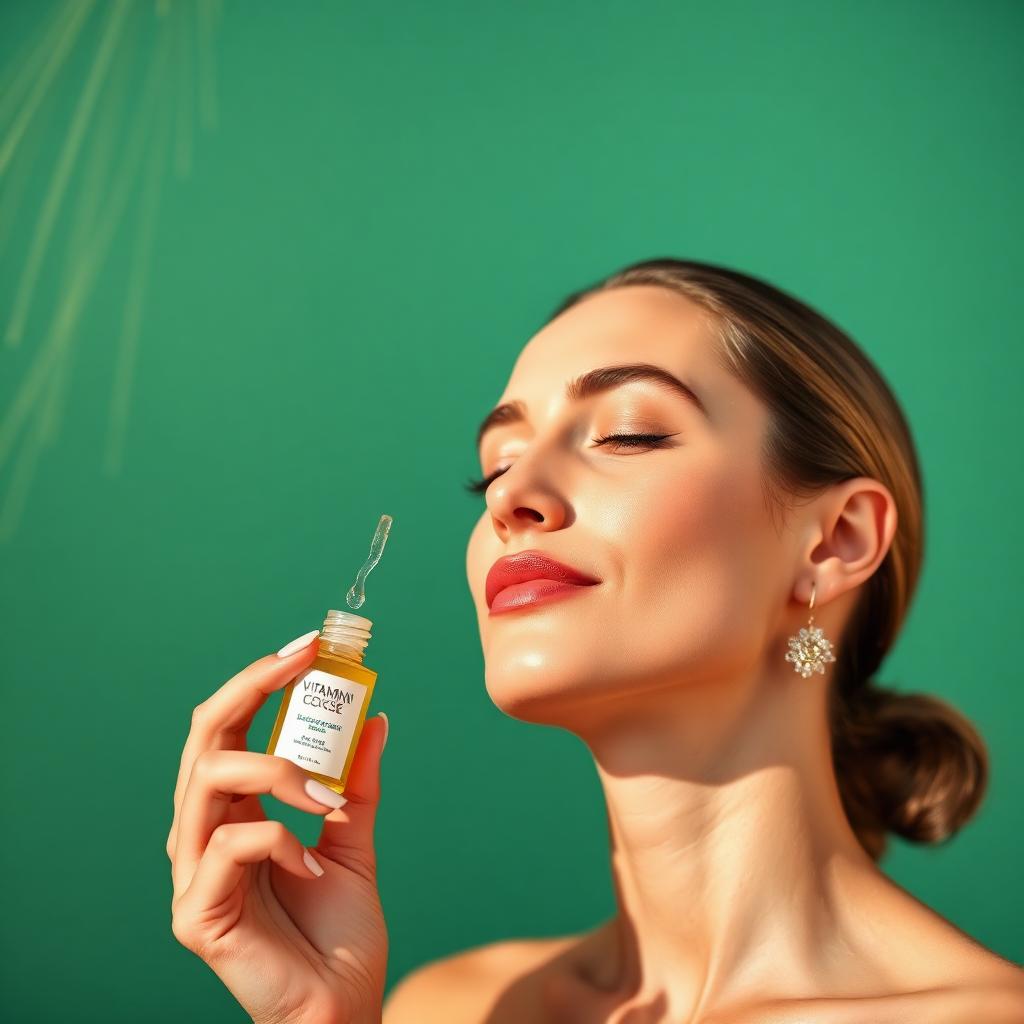
A stable Vitamin C serum is crucial. It acts as a powerful antioxidant, neutralising free radicals caused by sun exposure and pollution, which contribute to pigment formation. It also directly brightens existing spots and inhibits the enzyme responsible for melanin production, blocking new pigment from forming. Apply after cleansing, before your moisturiser and sunscreen. Look for formulas with 10–15% L-ascorbic acid (the most potent form) or THD ascorbate (a gentler, more stable derivative suitable for sensitive skin).
3. Niacinamide Daily: The Versatile Soother
5% niacinamide (Vitamin B3) is a superstar ingredient for hyperpigmentation. It works by preventing the transfer of melanin from pigment-producing cells to skin cells, thus reducing the appearance of dark marks. It also calms redness and inflammation, strengthens the skin barrier, and helps regulate oil production – all beneficial in humid climates. Niacinamide is incredibly versatile and plays well with almost every other active ingredient, making it a staple in any dark spot regimen.
4. Retinol at Night (Slowly and Steadily)
Retinol (a derivative of Vitamin A) is a powerhouse for skin cell turnover. It speeds up the rate at which skin cells shed, pushing darker, pigmented cells to the surface where they can slough off faster. This reveals fresher, brighter skin underneath. Start with a low concentration (0.25% or 0.5%) twice a week, gradually increasing frequency as your skin tolerates it. Always follow with a good moisturiser to combat potential dryness. Skip retinol on nights before waxing or professional facials.
5. Targeted Spot Fighters: Alpha Arbutin, Azelaic Acid, or Tranexamic Acid
These ingredients offer more focused action on stubborn dark spots. You typically use one of these at a time – don't stack them – and give each one a fair chance of 8–12 weeks of consistent use before deciding if it's working for you.
- Alpha Arbutin: A gentle yet effective derivative of hydroquinone, it inhibits melanin production.
- Azelaic Acid: Excellent for both hyperpigmentation and acne, it reduces inflammation and inhibits melanin synthesis. It's often well-tolerated by sensitive skin.
- Tranexamic Acid: Particularly effective for melasma and PIH, it works by interrupting the inflammatory pathways that lead to pigment formation.
What to Avoid When Treating Dark Spots in Kenya
Just as important as knowing what to use is knowing what to avoid to prevent worsening your dark spots and damaging your skin.
- Hydroquinone from Unregulated Sellers: While hydroquinone is a powerful skin lightener, prolonged or improper use (especially from unregulated sources) can lead to severe rebound pigmentation (ochronosis), skin thinning, and increased sensitivity. Always consult a dermatologist for prescription-strength hydroquinone.
- Skin Bleaching Creams Sold in the Open Market: These often contain harmful ingredients like mercury, steroids, or high concentrations of hydroquinone without proper labelling. They cause irreversible skin damage, increase skin fragility, and lead to rebound hyperpigmentation.
- DIY Lemon-and-Baking-Soda Masks: These popular home remedies are disastrous for the skin. Lemon juice is highly acidic and photosensitising, causing chemical burns and worsening hyperpigmentation when exposed to the sun. Baking soda is too alkaline, stripping the skin's protective barrier.
- Aggressive Scrubs or Physical Exfoliants: Friction and harsh scrubbing can trigger post-inflammatory hyperpigmentation, especially on darker skin tones. Opt for gentle chemical exfoliation (like AHAs or BHAs) if needed, but always in moderation.
Professional Facials for Hyperpigmentation in Mombasa
While a consistent home routine is fundamental, professional facials at Royal Swahili Singo N Massage can significantly accelerate your progress and provide deeper treatment for stubborn hyperpigmentation. Our experienced therapists understand the nuances of coastal skin.
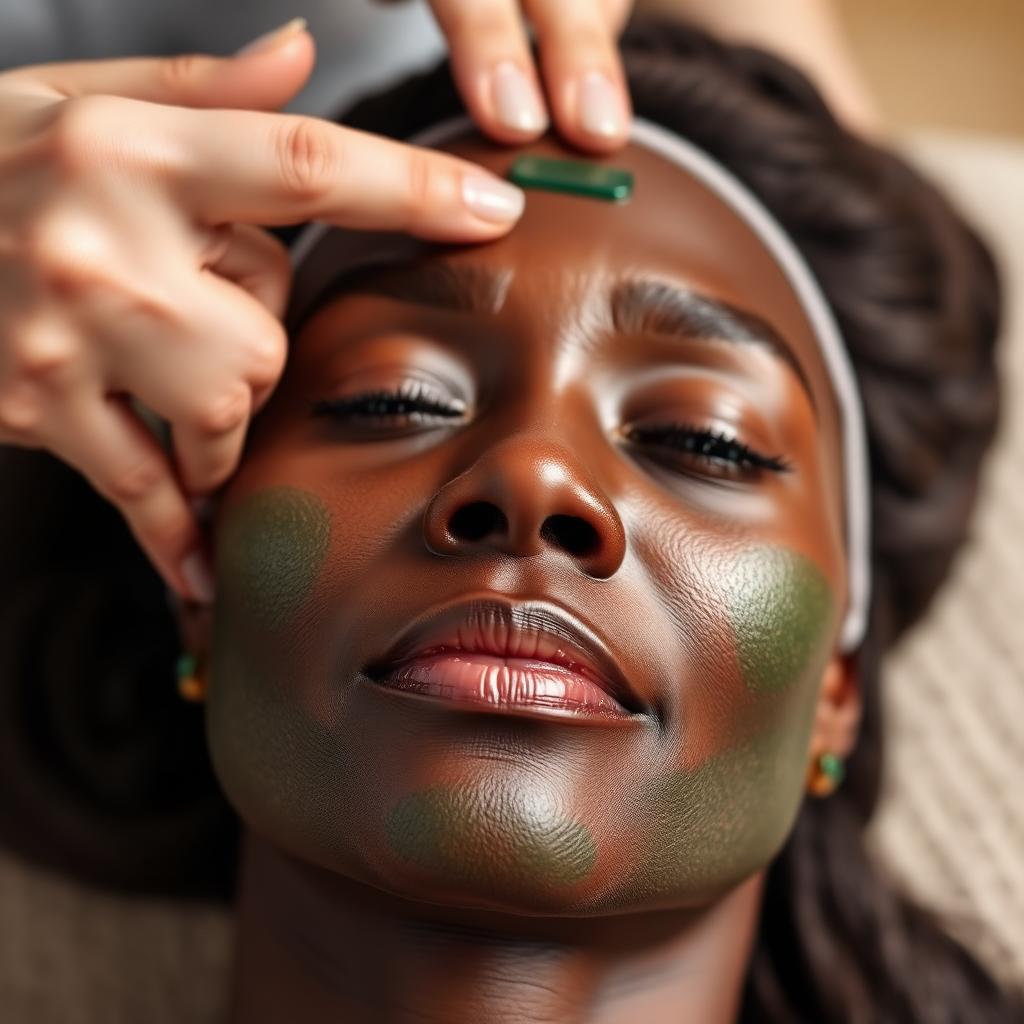
At our spa, we combine gentle enzyme exfoliation to safely slough off pigmented cells, infuse targeted brightening serums (Vitamin C, niacinamide, tranexamic acid) deeply into the skin, and use light, lymphatic massage to boost circulation without irritating the skin. For deeper melasma or persistent dark spots, we often recommend a course of monthly facials, carefully tailored to your skin's needs, paired with your diligent at-home routine. Our Brightening Facial is specifically designed to address these concerns.
Aftercare and Preparation for Best Results
For optimal results and to prevent setbacks, consider these points:
- Consistency is Key: Skincare is a marathon, not a sprint. Stick to your routine daily.
- Patch Test New Products: Especially for active ingredients, apply a small amount to an inconspicuous area (like behind the ear) for a few days to check for irritation.
- Hydrate Internally: Drink plenty of water, crucial for healthy skin in Mombasa's climate.
- Gentle Cleansing: Use a mild, hydrating cleanser. Avoid harsh soaps that strip your skin.
- Post-Facial Care: After a professional treatment, follow your therapist's instructions meticulously. This usually involves avoiding direct sun, using gentle products, and diligent sunscreen.
Common Mistakes to Avoid
- Expecting Instant Results: Fading hyperpigmentation takes time and patience. Don't give up after a few weeks.
- Over-Exfoliating: Too much exfoliation, whether physical or chemical, can damage the skin barrier and lead to more PIH.
- Skipping Sunscreen on "Cloudy" Days: UV rays penetrate clouds. Always wear SPF.
- Picking at Pimples or Scabs: This is a guaranteed way to create a dark spot. Let your skin heal naturally or treat acne effectively.
- Using Too Many Actives at Once: This can overwhelm and irritate your skin, leading to more inflammation and hyperpigmentation. Introduce new products slowly.
Frequently Asked Questions About Dark Spots in Kenya
How long until dark spots fade?
Fresh post-acne marks (PIH) can fade in 6–12 weeks with proper, consistent care and sun protection. Melasma is often more stubborn, requiring 3–6 months of a diligent routine plus strict sunscreen. Deep, old sun spots or very stubborn marks can sometimes take a year or more to significantly lighten, and in some cases, they may never fully disappear – that's honest. Patience and consistency are paramount.
Is skin bleaching the same as brightening?
Absolutely not. Skin bleaching aims to lighten the entire skin's natural colour, often using harsh chemicals that damage the skin barrier and lead to severe health issues and rebound hyperpigmentation. Skin brightening, on the other hand, focuses on evening out skin tone by fading dark patches and spots, allowing your natural skin colour to shine through without altering it.
Can I get facials if I've been using bleaching creams?
Yes, you can, but it's crucial to inform your Royal Swahili Singo N Massage therapist beforehand. We will use gentler protocols, focusing on repairing your skin's damaged barrier, calming inflammation, and slowly introducing brightening agents. Your skin will need time to recover, and our therapists are trained to support this healing process.
Why do I get dark spots after every pimple?
This is called Post-Inflammatory Hyperpigmentation (PIH). When a pimple causes inflammation in the skin, it triggers an overproduction of melanin in that area as part of the healing process, especially in darker skin tones. The stronger the inflammation, the darker and longer-lasting the spot. Effective acne treatment and gentle handling of breakouts are key to preventing PIH.
Can diet affect hyperpigmentation?
While diet isn't a direct cause of hyperpigmentation, a healthy diet rich in antioxidants (from fruits, vegetables) and healthy fats can support overall skin health and its ability to repair and protect itself from environmental damage. Limiting inflammatory foods might also indirectly help reduce skin inflammation, which can contribute to PIH.
Ready for Your Even Skin Tone Journey?
Achieving an even skin tone and reducing dark spots is a journey, not a quick fix. With the right knowledge, consistent routine, and professional support from Royal Swahili Singo N Massage, you can achieve radiant, healthy skin that reflects the natural beauty of Mombasa.
Book a Brightening Facial or a personalised skin consultation today at one of our convenient locations in Mombasa:
- Tudor Branch
- Majengo Branch
Let us help you unveil your best skin. Connect with us on WhatsApp or call us to schedule your appointment. RSSM NI NYUMBANI – your home for beautiful, even-toned skin.